Australian nuclear news headlines – week to 11 March
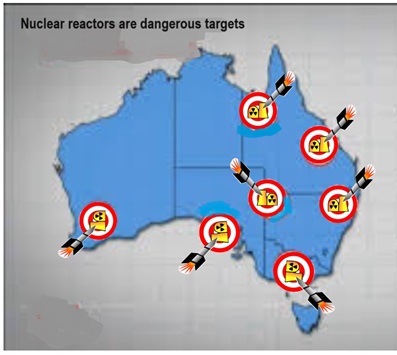
Headlines as they come in:
- ‘Sacrifice’: Four Corners looks at the Australian War Memorial’s weapons ties.
- ‘In Defence of Dissent‘
- Nuclear fallout: why Karina Lester is calling on Australia to sign the treaty banning atomic weapons
- Surface tension: could the promised Aukus nuclear submarines simply never be handed over to Australia?
- It’s time to ditch Virginia subs for AUKUS and go to Plan B.
- Nuclear memo to the L-NP: Less enthusiasm and more evidence.
- $480 million facility to train Australia’s nuclear submarine builders
- How US Military Bases in Australia Threaten Our Future & How to Remove Them.
- Delve into details before voting for Dutton’s nuclear vision.
- Reactors thirsty for water .
- Nuclear could cost households an extra $450 or more a year by 2030 .
- Peter Dutton’s nuclear plan could blow out household electricity bills by up to $600 a year by 2030.
Delve into details before voting for Dutton’s nuclear vision

John Bushell, Surry Hills, NSW, https://www.afr.com/politics/federal/delve-into-details-before-voting-for-dutton-s-nuclear-vision-20250304-p5lgrs 4 Mar 25
Examination of detail will quickly demonstrate that the (would be) emperor has no clothes (“Dutton’s nuclear bid short on detail, but who cares?”).
From 2018 to 2023, electricity delivered globally to customers from various energy sources changed as follows: utility solar, plus 193 per cent; onshore wind, plus 80 per cent; nuclear, minus 1.1 per cent.
Independent international investment bank Lazard advised last year that the average electricity costs from these same energy sources, in US dollars per megawatt hour, were: utility solar 61; onshore wind 50; nuclear 182.
The International Energy Agency advised in January that solar and wind energy generation is being installed five times faster than all other new electricity sources combined, and it forecasts that renewable generation capacity globally from 2024 to 2030 will be triple that added from 2017 to 2023.
So, who do you think is right? Peter Dutton or the rest of the world?
It might be a good idea to find out before the federal election rather than after it.
Nuclear could cost households an extra $450 or more a year by 2030
Australians for Affordable Energy , https://theaimn.net/nuclear-could-cost-households-an-extra-450-or-more-a-year-by-2030/
New modelling confirms a shift to nuclear power could significantly increase household electricity bills, with Australians for Affordable Energy (AFAE) urging policymakers to back the most affordable energy option.
The analysis, released by the Clean Energy Council, found households could face a 30 per cent increase in power bills by 2030 under a nuclear pathway, with households paying an additional $450 annually.
“Australians want affordable and reliable energy now. Every independent study we’ve seen suggests nuclear power will be a guaranteed hit to household budgets now and in future,” AFAE spokesperson Jo Dodds said.
“The cost of living is what it’s all about for most Australians, with energy prices a major concern. From everything we know so far, nuclear is the far more expensive option, and cheaper practical alternatives exist.
“While we wait decades for expensive nuclear plants Australians will be forced to rely on expensive gas and aging coal plants, driving bills even higher. A 30 per cent hike in power bills would place even more strain on Australian households who are already grappling with cost-of-living pressures. Our energy policies must prioritise affordability.”
The findings mirror concerns raised in the Climate Change Authority’s recent report, which found nuclear energy could add 2 billion tonnes of emissions and delay Australia’s clean energy transition until 2042.
“It says small businesses could expect an $877 increase in their bills by 2030 if we slow down our clean energy rollout,” Ms Dodds said.
“There’s a clear choice here between affordable energy now or higher bills for decades to come.”
“Any energy policy that doesn’t put affordability front and centre is out of touch with what voters actually want. These are tough times for households, we shouldn’t allow energy policy to make them worse.”
Australians for Affordable Energy is urging policymakers to focus on practical, cost-effective energy solutions that can deliver more affordable power right now.
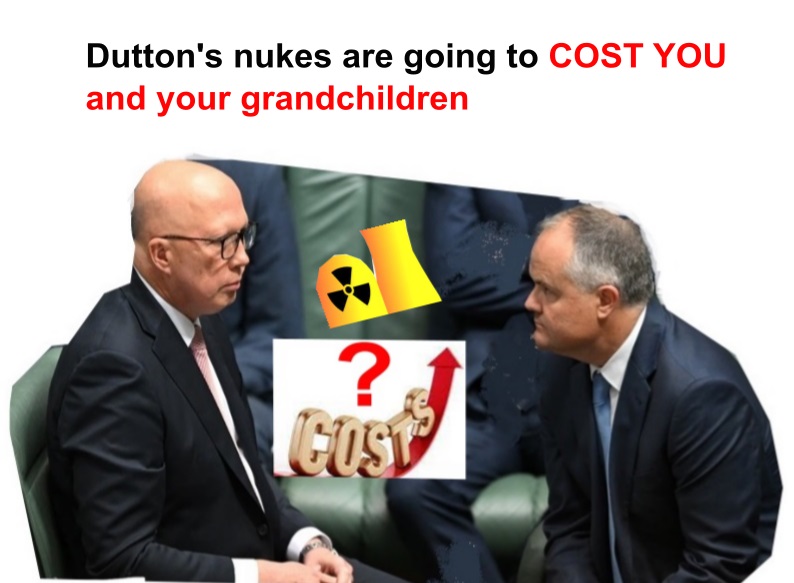
Peter Dutton’s nuclear plan could blow out household electricity bills by up to $600 a year by 2030
https://reneweconomy.com.au/peter-duttons-nuclear-plan-will-blow-out-household-electricity-bills-by-up-to-600-a-year-by-2030/ Sophie Vorrath, Mar 4, 2025
A new report has torpedoed Peter Dutton’s claim that the Coalition’s nuclear power plan for Australia would be 44 per cent cheaper than Labor’s plan for renewables, finding instead that it would inflate average consumer electricity bills by up to 41 per cent between now and 2030.
The report, commissioned by the Clean Energy Council, models the outcomes on electricity prices across Australia’s main grid, the NEM, if the build rate of utility scale renewable generation capacity was reduced significantly – as it promises to be under a Coalition government.
The modelling, conducted by global consultancy, Jacobs, sets a base case using the Australian Energy Market Operator’s (AEMO) Integrated System Plan Step Change Scenario, where 26 gigawatts (GW) of renewables in 2025 grows to 72.7 GW by 2030.
This base case is then contrasted against two scenarios based on the modelling by Frontier Economics for the federal Coalition, which restricts renewables to 49.1 GW by 2030 and relies on coal and gas while waiting for nuclear power.
In that report, Frontier Economics reduced the build rate for renewables, in particular, onshore and offshore wind, big solar and big batteries, in a world where longer term, post 2035 nuclear capacity is installed to meet customer electricity needs.
Frontier’s economic modelling has since been used to underpin claims from Liberal Peter Dutton that his plan for a power system including a significant role for nuclear will be 44% cheaper than a system relying predominantly on renewables.
As Tristan Edis writes in a series of articles starting here, a range of energy analysts and economists have found an array of problems with how this number was derived, but this hasn’t stopped the LNP leader from repeating it every chance he gets.
The Clean Energy Council has therefore decided to fight fire with fire.
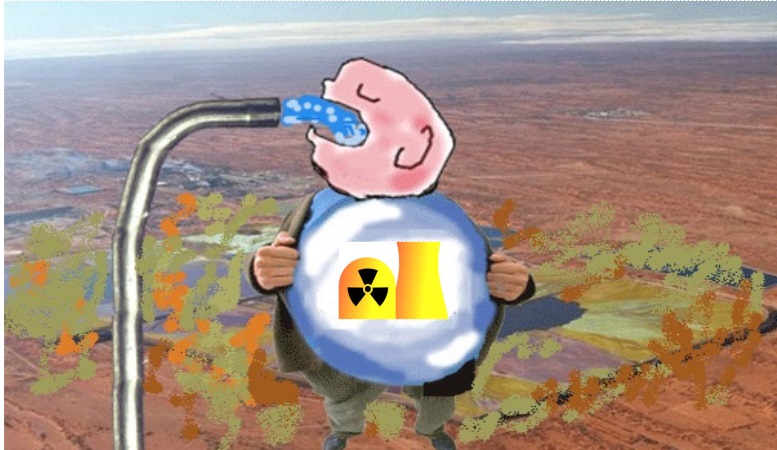
Reactors thirsty for water
Anne O’Hara, Wanniassa, ACT, https://www.afr.com/politics/federal/delve-into-details-before-voting-for-dutton-s-nuclear-vision-20250304-p5lgrs 4 Mar 25
Thanks to The Australian Financial Review for a balanced and informative article on the Coalition’s nuclear policy (“Dutton’s nuclear bid short on detail, but who cares?”). It’s no wonder numerous studies show nuclear power to be one of the least popular energy sources for Australian voters
Cost and time are two major drawbacks. The 10-year delay in building the reactors is set to blow Australia’s carbon budget right out of the water. Speaking of which, where will the water come from to operate these reactors? The proposed reactors would use up to three times the amount needed for coal, posing a threat to drinking supply and irrigation for farms.
Despite the loud opposition to wind and solar projects by a small minority, research shows that over two-thirds of people in the regions already support renewables. A nuclear energy policy will hardly be a vote-winner in rural areas, where water supply is crucial.
1 This month

of the week – Australians for War Powers Reform (AWPR)
To see nuclear-related stories in greater depth and intensity
 Antinuclear