South Australia commits $180m to batteries, storage and virtual power plants — RenewEconomy

South Australia government to target 5,000 homes this financial year as its Home Battery Storage grants plan finally moves ahead. Its part of a suite of initiatives to support transition to renewables grid. The post South Australia commits $180m to batteries, storage and virtual power plants appeared first on RenewEconomy.
via South Australia commits $180m to batteries, storage and virtual power plants — RenewEconomy
Taylor says there is too much wind and solar in electricity grid — RenewEconomy

New energy minister Angus Taylor says there is too much wind and solar in the system, and more needs to be done to protect existing and encourage new “fair dinkum” baseload. The post Taylor says there is too much wind and solar in electricity grid appeared first on RenewEconomy.
via Taylor says there is too much wind and solar in electricity grid — RenewEconomy
Australian manufacturers urged to ditch gas for solar — RenewEconomy

Manufacturers urged to switch to solar and other technologies, and make some easy gains with some simple energy efficiency measures, in major new joint report. The post Australian manufacturers urged to ditch gas for solar appeared first on RenewEconomy.
via Australian manufacturers urged to ditch gas for solar — RenewEconomy
THIS YEAR, news media coverage of Japan’s typhoon ignores danger to nuclear power plants
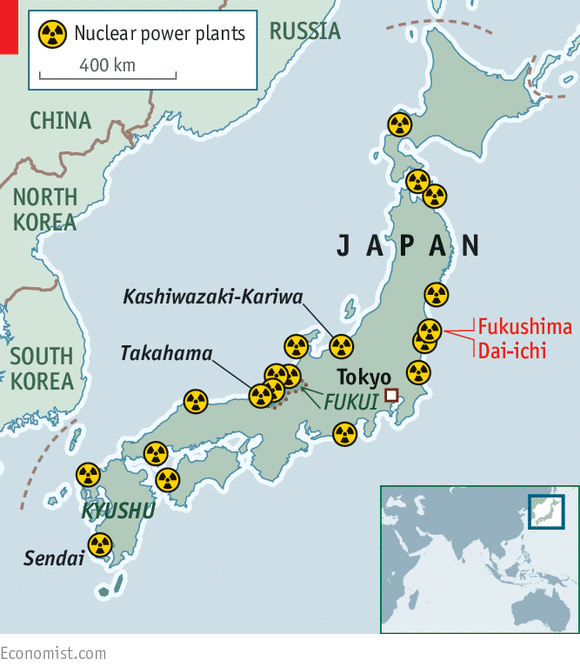
Typhoon hits Japan
Typhoon Jebi path update: Where is Japan typhoon NOW? Will it hit Tokyo? https://www.express.co.uk/news/world/1012314/Typhoon-jebi-path-update-typhoon-tokyo-category-3-Japan-warning-western-central-japan
TYPHOON Jebi will make landfall in southern Japan on Tuesday as damaging winds, flooding and mudslides are expected to hit the country. But where is the typhoon now and will it hit the capital Tokyo?
Typhoon Jebi smashed into Japan on Tuesday, barreling across the mainland at speed in a northeasterly track.
Japan issued evacuation advisories for more than 1 million people and cancelled hundreds of flights in the face of extremely strong winds and heavy rain hammered the country.
AccuWeather senior meteorologist Adam Douty said: “Damaging winds and coastal flooding may be the most significant impacts with this storm.
Where is Typhoon Jebi now?
Typhoon Jebi is currently located just north of Kyoto, traveling back out into the sea in a northeasterly direction.
The storm avoided a direct hit with capital Tokyo, but the city is still expected to bear the brunt of winds of more than 60mph.
Osaka and Kobe also took a hammering from the storm when they were struck earlier on Tuesday, after Jebi moved in from Honshu. The storm made landfall on Shikoku, the smallest main island, around noon.
Jebi then raked across the western part of the largest main island, Honshu, near the city of Kobe, several hours later, heading rapidly north.
Wind gusts of up to 208 km/h (129 mph) were recorded in one part of Shikoku, with forecasts for gusts as high as 216 km/h (135 mph).
Around 100 mm (3.9 inches) of rain drenched one part of the tourist city of Kyoto in an hour, with as much as 500 mm (20 inches) set to fall in some areas in the 24 hours to noon on Wednesday. The Meteorological Agency advised the public to be on the lookout for even more flooding and mudslides, as well as high tides.
Prime Minister Shinzo Abe told a meeting of the government and ruling parties: “We have seen typhoons and torrential rains.
“The government will do its utmost to prevent disaster.
Jebi – whose name means “swallow” in Korean – was briefly a super typhoon and is the latest harsh weather to hit Japan this summer.
Japan has been hit by extreme weather since the beginning of July and western parts of the country have been left devastated by flooding and landslides, leaving more than 220 people dead.
typhoon Jebi’s course has brought it close to parts of western Japan hit by rains and flooding but the storm was set to speed up after making landfall, minimising the amount of rain that will fall in one place.
The country has experienced record-breaking heat as well as floods and landslides.
The danger of tropical storms to nuclear power stations

 Tropical Storm Gordon Warning For US Gulf Coast: Reminder Of The Dangers Of Mixing Severe Weather With Nuclear Power; Another Tropical Storm In Atlantic , Mining Awareness, 4 Sept 18
 It’s that time again. Time for tropical storms and hurricanes, and time to remember the increased dangers of nuclear power stations (orange skulls on map) during severe weather, which can lead to power outages and power surges, as well as storm surges, flooding and more.
Beyond Nuclear – a resource for clear information
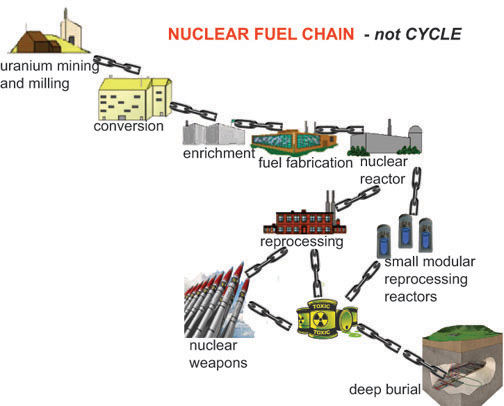
 and an in-situ leach uranium mine? How does a nuclear power plant produce electricity? What happens to reactor fuel once it’s no longer usable? What is the difference between high-level and low-level radioactive waste and where is it stored? Why isn’t reprocessing really “recycling”?
the basics are understood, we need to move people. And that is why the
Beyond Nuclear International website came to be born, providing a natural
home for the Handbook and expanding from facts to compelling narratives.
published: An Overview that offers simple explanations for every phase of
the nuclear fuel chain; Radiation and harm to human health, which lays out
the detriments to health of every phase of nuclear power operations; and
Climate change and why nuclear power can’t fix it. More chapters are in
the works.
https://beyondnuclearinternational.org/2018/09/02/an-a-z-against-nuclear-power/
Energy Insiders Podcast: Would conservatives try to stop clean energy if it wasn’t about emissions? — RenewEconomy

With wind, solar and storage clearly beating fossil fuels on costs, would conservatives seek to stop that investment if it were not also about emissions? Emma Herd, from the IGCC, joins us for a fascinating discussion. The post Energy Insiders Podcast: Would conservatives try to stop clean energy if it wasn’t about emissions? appeared first…
How the EV boom will reshape the way we use electricity — RenewEconomy

AEMO has lifted its forecasts for the uptake of electric vehicles for the second time in less than six months, and flags it could have an impact on the way we manage the grid. The post How the EV boom will reshape the way we use electricity appeared first on RenewEconomy.
via How the EV boom will reshape the way we use electricity — RenewEconomy
September 4 Energy News — geoharvey

Opinion: ¶ “We need to respond to climate change immediately” • It is time for elected officials to stop pandering to the interests of well-moneyed corporations whose positions fly in the face of facts and overwhelming scientific consensus. It is time for them to legislate and govern in a manner that adheres to scientific recommendations. [Washington […]
CWP moves forward with 600MW solar farm in Angus Taylor’s electorate — RenewEconomy

CWP Renewables submits plans to develop 600MW solar and storage project about 15 kilometres south-west of Goulburn. The post CWP moves forward with 600MW solar farm in Angus Taylor’s electorate appeared first on RenewEconomy.
via CWP moves forward with 600MW solar farm in Angus Taylor’s electorate — RenewEconomy
Australian solar starts to dig a hole in mid-day electricity prices — RenewEconomy

Growth of solar is pushing down prices in middle of the day, increasing business case for storage. Within two years, says AEMO, minimum demand will shift from night time to the daytime in all states. The post Australian solar starts to dig a hole in mid-day electricity prices appeared first on RenewEconomy.
via Australian solar starts to dig a hole in mid-day electricity prices — RenewEconomy
Answers to 7 key questions on pumped-hydro storage — RenewEconomy

Separating facts and fiction about pumped-hydro storage technology . The post Answers to 7 key questions on pumped-hydro storage appeared first on RenewEconomy.
via Answers to 7 key questions on pumped-hydro storage — RenewEconomy
ClearVue solar glass tapped for bus shelters, outdoor advertising — RenewEconomy

Perth-based building-integrated PV maker signs MOU for its clear solar glass to power “street furniture” including bus shelters and outdoor advertising signs. The post ClearVue solar glass tapped for bus shelters, outdoor advertising appeared first on RenewEconomy.
via ClearVue solar glass tapped for bus shelters, outdoor advertising — RenewEconomy
Queensland could be 90% renewable by 2030 – with right policy settings — RenewEconomy

Report finds Queensland could meet almost 100% of its electricity needs from renewables by 2030, if all of its almost 15,000MW pipeline of large-scale wind and solar projects proceeded. The post Queensland could be 90% renewable by 2030 – with right policy settings appeared first on RenewEconomy.
via Queensland could be 90% renewable by 2030 – with right policy settings — RenewEconomy
1 This month

of the week – Australians for War Powers Reform (AWPR)
To see nuclear-related stories in greater depth and intensity
 Antinuclear