Medical radiation and the hazard for children


Children, he says, face a lifetime of radiation procedures, and many studies suggest that the adverse effects of radiation are cumulative. So limiting radiation exposure, particularly if it’s not absolutely necessary, is a good idea.
AUDIO Reporting On Hidden Dangers Of Medical Radiation, NPR 17 May 11, “…..On Monday’s Fresh Air, Bogdanich discusses his ongoing Times seriesabout the medical and regulatory issues that have arisen as radiation therapies have become more ubiquitous in both dental and doctors’ offices.
“I think we made it clear [in the series] that these are wonderful devices [for treatment] that save countless lives, and people need to get it when they need them, but they need to ask questions,” he says. “People were not asking questions, and, frankly, doctors who were treating the patients were not giving the patients the information they needed.”……
“Hospitals want more patients, and as soon as a new gee-whiz medical device comes out that is some live-saving device, every hospital wants to get them as quickly as possible, and sometimes they move too quickly,” he says. “They buy them, they install them, they don’t spend the kind of money necessary to properly train the staff and to develop the kind of protocols necessary to ensure that mistakes … are minimized — and that wasn’t happening.”……
Children, he says, face a lifetime of radiation procedures, and many studies suggest that the adverse effects of radiation are cumulative. So limiting radiation exposure, particularly if it’s not absolutely necessary, is a good idea.
“[You can ask your dentist] ‘Is this imaging exam necessary? Is it necessary for me, every six months when I come in to have my teeth cleaned?” he says. “I think everyone should ask what speed film the dentist is using, and every patient should ask, ‘Why are you not using digital?’ And particularly for young adults who are about to have braces on, [ask] ‘Is it really necessary to have this cone beam CT scan, or is there a way for you to get the images you need … without using as much radiation?”
Similar questions can be asked at radiation oncology facilities, he says. Start with the oncologist and ask, “Is this facility accredited to do radiation therapy? … How many procedures do you do? … Has the operator [of the device] been properly trained and accredited? That’s really all you can do, and it’s really important for everyone to ask that question.”
Walt Bogdanich: Reporting On The Hidden Dangers Of Medical Radiation : NPR
No comments yet.
1 This month
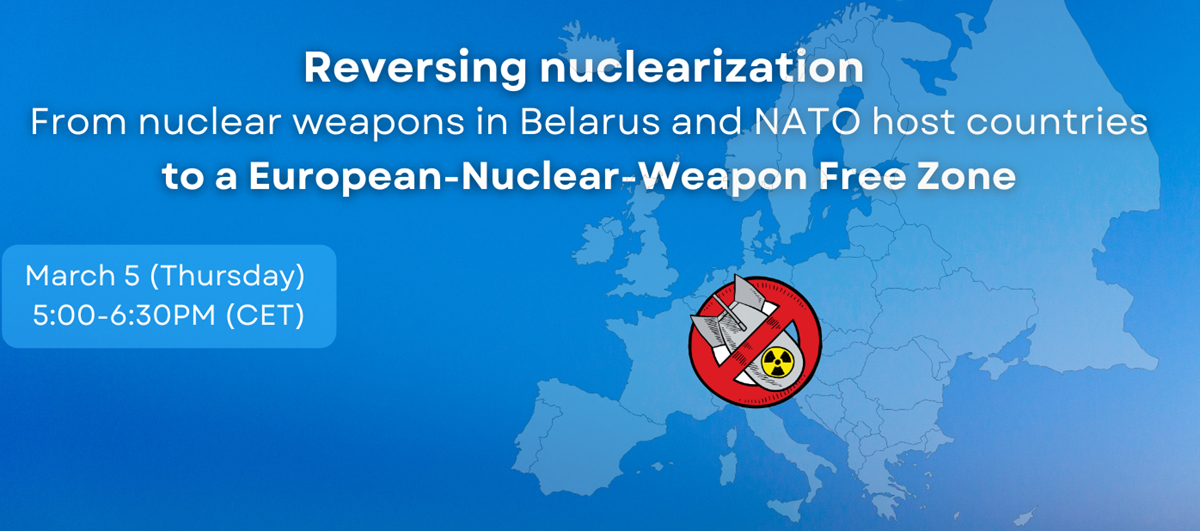
6 March -Online – Reversing nuclearization:
From nuclear weapons in Belarus and NATO host countries to a European-Nuclear-Weapon Free Zone
Mar 6, 2026 03:00 AM in Canberra, Melbourne, Sydney

of the week – Australians for War Powers Reform (AWPR)
To see nuclear-related stories in greater depth and intensity
 Antinuclear
Leave a comment