USA’s nuclear reactors affected by global warming
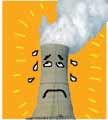 simply getting permission to suck in hotter water does not make the problem go away..
despite a myriad of potential problems and two decades of climate warnings, it is sobering to note that none of the US reactors were built to account for any of this
[The new reactors] they are still PWRs and they still require a large reserve of cool, circulating water to keep them operating and nominally safe.
 For Nuclear Power This Summer, It’s Too Darn Hot, Truth Out, 05 August 2012 By Gregg Levine, You know that expression, “Hotter than July?” Well, this July, July was hotter than July. Depending on what part of the country you live in, it was upwards of three degrees hotter this July than the 20th Century average. Chicago, Denver, Detroit, Indianapolis and St. Louis are each “on a pace to shatter their all-time monthly heat records.” And “when the thermometer goes way up and the weather is sizzling hot,” as the Cole Porter song goes, demand for electricity goes way up, too….. Take, for example, Braidwood, the nuclear facility that supplies much of Chicago with electricity:
It was so hot last week, a twin-unit nuclear plant in northeastern Illinois had to get special permission to continue operating after the temperature of the water in its cooling pond rose to 102 degrees.
It was the second such request from the plant, Braidwood, which opened 26 years ago. When it was new, the plant had permission to run as long as the temperature of its cooling water pond, a 2,500-acre lake in a former strip mine, remained below 98 degrees; in 2000 it got permission to raise the limit to 100 degrees.
The problem, said Craig Nesbit, a spokesman for Exelon, which owns the plant, is not only the hot days, but the hot nights. In normal weather, the water in the lake heats up during the day but cools down at night; lately, nighttime temperatures have been in the 90s, so the water does not cool.
But simply getting permission to suck in hotter water does not make the problem go away. When any thermoelectric plant (that includes nuclear, coal and some gas) has to use water warmer than design parameters, the cooling is less effective, and that loss of cooling potential means that plants need to dial down their output to keep from overheating and damaging core components. Exelon said it needed special dispensation to keep Braidwood running because of the increased demand for electricity during heat waves such as the one seen this July, but missing from the statement is that the very design of Braidwood means that it will run less efficiently and supply less power during hot weather…….
two instances from the hot summer of 2010–New Jersey’s Hope Creek nuclear station and Limerick in Pennsylvania each had to reduce output due to intake water that was too warm. In fact, cooling water problems at US thermoelectric generators were widespread along the Mississippi River during the hot, dry summer of 1988.
And the problem is clearly growing. Two months ago, a study published in Nature Climate Change predicted continued warming and spreading drought conditions will significantly reduce thermoelectric output in coming decades:
despite a myriad of potential problems and two decades of climate warnings, it is sobering to note that none of the US reactors were built to account for any of this. . . because all American nuclear reactors predate these revelations. That is not to say nuclear operators haven’t had 20 years (give or take) to plan for these exigencies, but it is to say that, by-and-large, they haven’t. (Beyond, that is, as described above, simply lobbying for higher water temperature limits. That’s a behavior all too recognizable when it comes to nuclear operators and regulators–when nuclear plants can’t meet requirements, don’t upgrade the procedures or equipment, just “upgrade” the requirements.)
But, rather than using all this knowledge to motivate a transition away from nuclear power, rather than using the time to begin decommissioning these dinosaurs, nuclear operators have instead pushed for license extensions–an additional 20 years beyond the original 40-year design. And, to date, the Nuclear Regulatory Commission has yet to reject a single extension request.
And now the nuclear industry–with the full faith and credit of the federal government–is looking to double down on this self-imposed ignorance. The “Advanced Passive” AP1000 reactors approved earlier this year for Georgia’s Plant Vogtle (and on track for South Carolina, too) may be called “advanced,” but they are still PWRs and they still require a large reserve of cool, circulating water to keep them operating and nominally safe. http://truth-out.org/news/item/10707-for-nuclear-power-this-summer-its-too-darn-hot
No comments yet.
1 This month
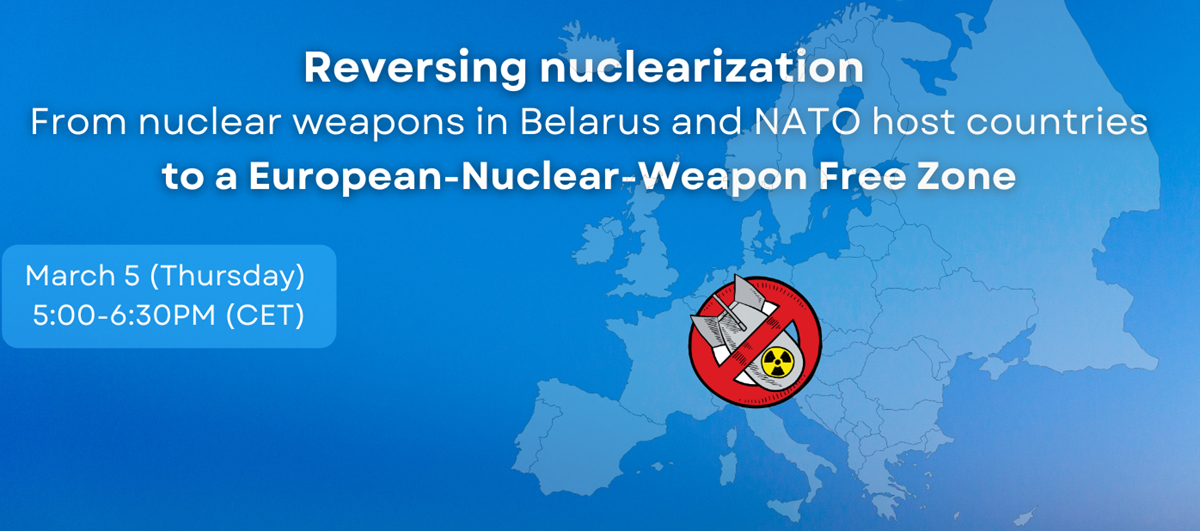
6 March -Online – Reversing nuclearization:
From nuclear weapons in Belarus and NATO host countries to a European-Nuclear-Weapon Free Zone
Mar 6, 2026 03:00 AM in Canberra, Melbourne, Sydney

of the week – Australians for War Powers Reform (AWPR)
To see nuclear-related stories in greater depth and intensity
 Antinuclear
Leave a comment