Energy efficiency replaced half of Japan’s nuclear power

 Japan Replaced Half Its Nuclear Power With Energy Efficiency. Could The U.S. Do Something Similar? Climate Progress, BY ARI PHILLIPS ON APRIL 10, 2014 The March 2011 earthquake and tsunami in Japan didn’t only shut down the Fukushima Daiichi Nuclear Power Plant, it caused Japan to close all 50 of its nuclear plants over safety concerns and to reconsider its entire energy strategy for the rest of the century. Before the disaster Japan got about 30 percent of its electricity from nuclear power and had plans to raise that to about half by 2050. To replace that energy, Japan had to look elsewhere, both domestically and abroad. Japan doesn’t have its own significant fossil fuel reserves, and so it must import oil and gas — an expensive and environmentally unfriendly approach for a country that has prided itself on leading the fight against climate change. To help offset this, Japan also established a lucrative feed-in tariff for solar power that lead to a rapid growth in installations.
But replacing nearly one-third of their energy supply — especially going into peak summer demand — was not a realistic option, and the population braced for rolling blackouts to accompany the crippling impacts of the tsunami and earthquake. The government and the people also turned to another option, energy efficiency and conservation. A campaign called ‘setsuden’ (power saving) was established to generate support. It worked, and by allowing dressed-down outfits and rotating air-conditioning schedules, the country averted blackouts. But many worried that this short-term effort would prove to be just that, and that in the long-term an elevated demand for electricity would return, once again taxing the system.
“To push renewable and safe energy to the national forefront and reduce Japan’s reliance on nuclear energy, it is important to sustain the current public setsuden mood,” Kazuko Sato, of Soft Energy Project, an NGO that lobbies for renewable energy expansion, told the Guardian in 2011. “I am worried that the public support could be temporary.”
However, it turns out these worries were unwarranted — Japan has managed to replace half its missing nuclear power capacity through energy efficiency and conservation measures that endure three years later.
“These temporary measures have proven to have long-term impact,” reports Greentech Media. “They’ve dramatically increased the awareness of energy use and energy efficiency, and large companies are running high-profile efficiency programs:” “The key lesson from the Japanese experience is that coal plant construction is simply too slow to be relevant in the modern world, where resiliency is highly valued. To cope with rapid loss of generation capacity, Japan needed fast, nimble and modular 21st-century solutions. That means efficiency and clean energy.”
The article states that even with these leaps in efficiency, there is still significant room for improvement in Japan. What about in a country like the U.S., where we haven’t had to overcome anything close to shutting down the nearly 100 nuclear plants that provide around one-fifth of the country’s power?
Two analyses from 2009, one from the National Research Council and the other by McKinsey & Co. found that within about a decade the U.S. could cut total energy use by 20 percent or more. President Obama may have seen these studies, because in 2011 he called forachieving a 20 percent improvement in energy efficiency in buildings, which use about 20 percent of all energy in the U.S., by 2020. Obama also wants to double U.S. energy efficiency by 2030……http://thinkprogress.org/climate/2014/04/10/3425406/japan-energy-efficiency-replacement/
No comments yet.
1 This month
7 April – WEBINAR – Australia and the Doomsday Clock – Preventing nuclear war through NoFirstUse and other policies
Online | Tuesday April 7, 4:00-5:30pm, Australian Eastern Time / 8:00-9:30am Central Europe Time
– Access the registration link
15 April – Zoom –Nuclear Power is Not the Solution
Apr 15, 2026 01:00 AM in Canberra, Melbourne, Sydney

Join the International Physicians for the Prevention of Nuclear War (IPPNW) on Tuesday, April 14th for a timely webinar exploring the risks associated with nuclear power and challenging the myth that it offers a simple, safe, carbon-free solution to the climate crisis
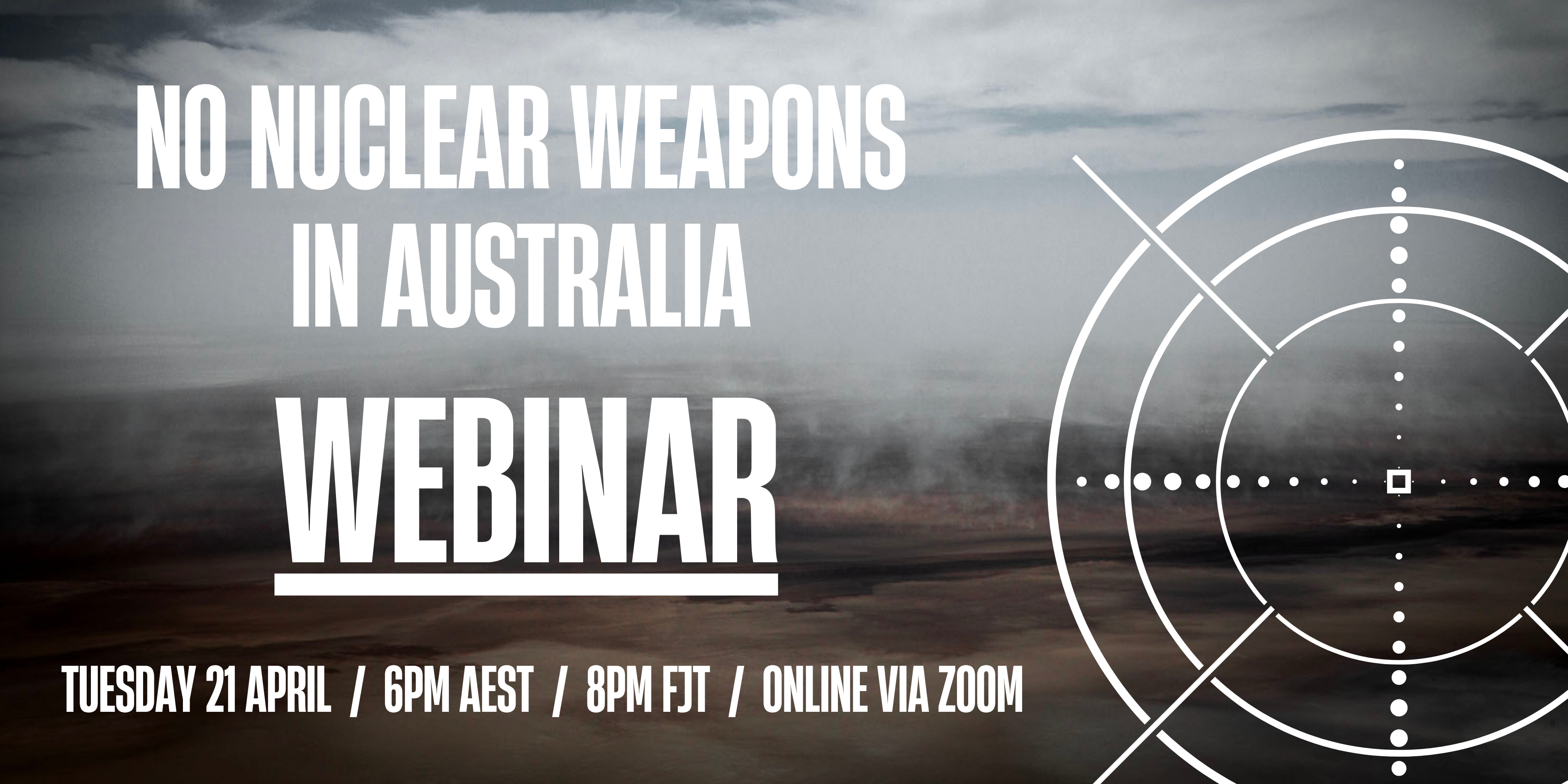
21 April Webinar: No Nuclear Weapons in Australia
Start: 2026-04-21 18:00:00 UTC Canberra, Melbourne, Sydney (GMT+10:00)
End: 2026-04-21 19:30:00 UTC Canberra, Melbourne, Sydney (GMT+10:00)
Event Type: Virtual
A virtual link will be communicated before the event.
Host Contact Info: australia@icanw.org

of the week – Australians for War Powers Reform (AWPR)
To see nuclear-related stories in greater depth and intensity
 Antinuclear
Leave a comment