Cancer Council’s warning on sunburn
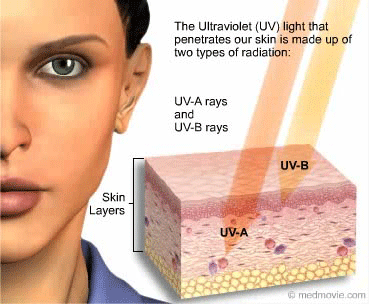 The Cancer Council and the Australasian College of Dermatologists are joining forces this week during the National Skin Cancer Action Week http://www.cancer.org.au/preventing-cancer/sun-protection/campaigns-and-events/national-skin-cancer-action-week.html to remind Australians that damage from UV radiation adds up whether by accident or attempts to have a tan and increases the risk of skin damage and cancer
Australians’ risk for cancer-causing sunburn higher at home than the beach, study finds, IBT, By Karla Tecson on November 16 2015 Half of weekend sunburns occur while Australians are going about their day-to-day activities at home, a new study suggests.
According to Cancer Council’s National Survey, one in two adult sunburn cases occurs during daily activities such as gardening and chores around the house, along with passive recreation activities such as reading, enjoying a picnic in the park or having a barbecue.
The figure dwarfs the 29 percent of adults who suffered sunburn due to activities at the beach, lake or pool, as well as the 21 percent playing sports or taking part in other active recreation, said Craig Sinclair, chair of Cancer Council Australia’s Public Health Committee.
Sinclair shared that after decades of issuing sun protection reminders to Australians, only 11 percent of adults are now actively trying to get a tan. However, 64 percent of adults report having tanned skin, which shows that most ultraviolet (UV) damage is unintentional, he added. Their next big challenge, he noted, is how to tackle this trend of incidental UV exposure.
According to Associate Professor Chris Baker, President of the Australasian College of Dermatologists, the skin is like a “memory bank.” It remembers when it is exposed outdoors unprotected, including all the sunburns, tans and solarium visits , Baker said.
“Throughout summer, when UV rays hit levels of 3 or above, the skin will be damaged fast if it is not protected. This damage all adds up and increases your long-term risk of skin cancer,” Baker explained. He reminds people to consult a doctor or dermatologists when there are any changes in size, shape or colour of an existing spot or when there is development of a new spot.
A combination of various sun protection methods is key to preventing skin cancer, Sinclair said. It is important to check the sun protection times each day to find out when the UV level is 3 or above. According to Sinclair, during these times, people should put on clothing, hat and sunglasses, apply water-resistant sunscreen that is SPF30 or higher and seek shade.
The Cancer Council and the Australasian College of Dermatologists are joining forces this week during the National Skin Cancer Action Week http://www.cancer.org.au/preventing-cancer/sun-protection/campaigns-and-events/national-skin-cancer-action-week.html to remind Australians that damage from UV radiation adds up whether by accident or attempts to have a tan and increases the risk of skin damage and cancer……..http://www.ibtimes.com.au/australians-risk-cancer-causing-sunburn-higher-home-beach-study-finds-1483283
No comments yet.
1 This month
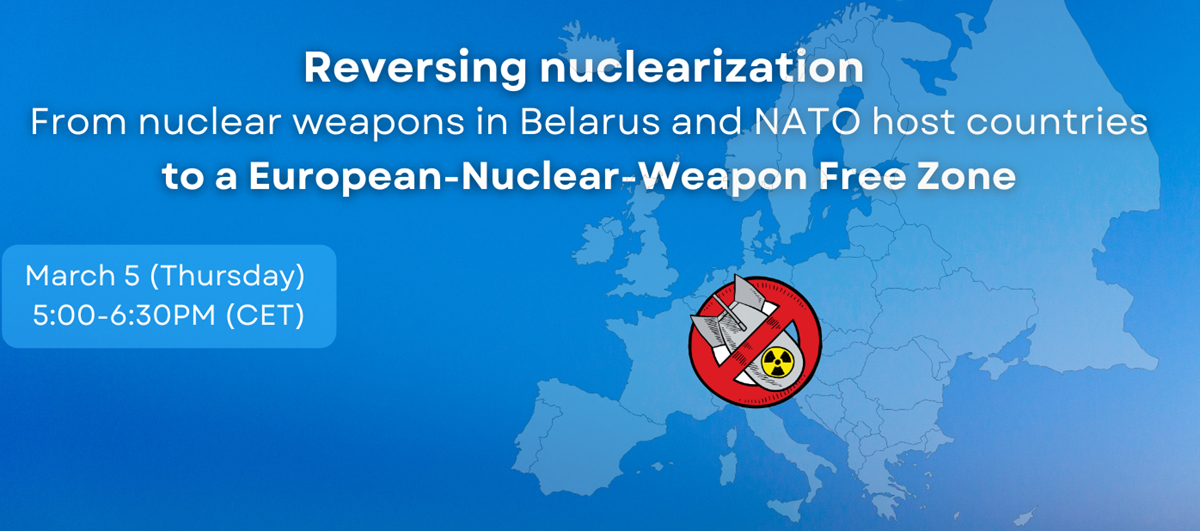
6 March -Online – Reversing nuclearization:
From nuclear weapons in Belarus and NATO host countries to a European-Nuclear-Weapon Free Zone
Mar 6, 2026 03:00 AM in Canberra, Melbourne, Sydney

of the week – Australians for War Powers Reform (AWPR)
To see nuclear-related stories in greater depth and intensity
 Antinuclear
Leave a comment