Court ruling puts Japan’s nuclear energy policy into disarray

 Japan’s nuclear energy policy remains in disarray after court ruling http://asia.nikkei.com/magazine/20160317-THE-LAST-MILE/Politics-Economy/Japan-s-nuclear-energy-policy-remains-in-disarray-after-court-ruling
NAOKI ASANUMA, Nikkei staff writer, Tokyo 17 Mar 16, Five years after the devastating earthquake and tsunami that caused reactors to melt down at Tokyo Electric Power Co.’s Fukushima Daiichi power plant, Japan’s nuclear energy policy remains in disarray. On March 9, the Otsu District Court in Shiga Prefecture ordered Kansai Electric Power to halt the No. 3 and No. 4 reactors at its Takahama nuclear plant in Fukui Prefecture, after taking issue with the power company’s safety protocols regarding earthquakes and tsunamis. The order is the first of its kind suspending the operation of a reactor in service in Japan and has raised questions about who among the many stakeholders — utilities, the central government, local authorities, regulators, residents and courts — has the power to start or stop them.
Kansai Electric shut down the No. 3 reactor the day after the court order, leaving Japan with only two reactors in operation — the No. 1 and No. 2 units at Kyushu Electric Power’s Sendai plant, in Kagoshima Prefecture. The No. 4 reactor at Takahama was already shut down due to problems that occurred soon after it was reactivated in February.
Prior to the ruling, the restart of nuclear reactors had followed a formula of sorts: A power company receives the nod from the Nuclear Regulation Authority after examinations based on the regulator’s new safety standards. The central government then helps local governments of areas within a 30km radius of the plant prepare evacuation plans. After the local governments give their consent, the reactor is then fired up. The formula was upset, however, by 29 Shiga residents living outside the 30km radius, who asked the Otsu court for an injunction.
In handing down its ruling, the court said efforts by Kansai Electric and the Nuclear Regulation Authority to understand the causes of the Fukushima meltdown were insufficient.
“Japan has learned nothing from the Fukushima accident,” said Yotaro Hatamura, professor emeritus at the University of Tokyo, who served as chairman of a government-appointed committee to investigate the disaster. “The reactivation [of reactors] represents nothing but irresponsibility.”
While the Strategic Energy Plan worked out by the government in 2014 calls for reducing reliance on nuclear power “as much as possible,” it positions nuclear energy as an “important baseload power source.” But with lawsuits demanding the suspension of nuclear plants and petitions seeking provisional halts proliferating, a new question in the wake of the Otsu ruling is whether nuclear plants can serve that purpose, given that they may suddenly cease to operate.
The “best mix” of energy sources for 2030, projected by the government last year, puts the ratio of nuclear power at 20% to 22%. Former Economy, Trade and Industry Minister Yoichi Miyazawa said Japan “needs to operate some 35 reactors,” suggesting the difficulty of achieving the target. In a survey by The Nikkei, 60% of people said the reactivation of nuclear power plants should not be promoted.
At the Fukushima plant itself, officials cite progress with the cleanup work.
No comments yet.
1 This month
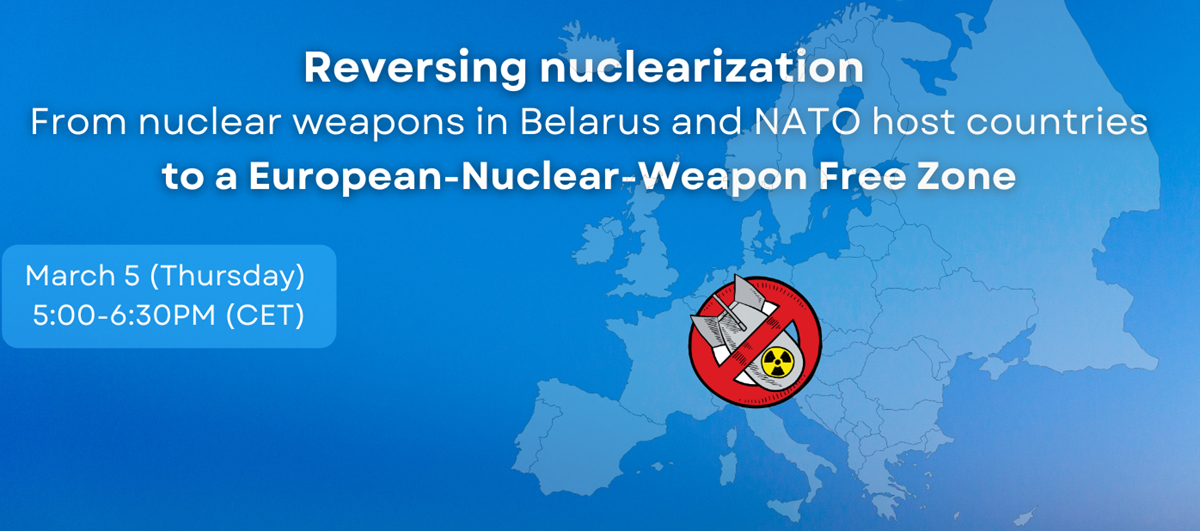
6 March -Online – Reversing nuclearization:
From nuclear weapons in Belarus and NATO host countries to a European-Nuclear-Weapon Free Zone
Mar 6, 2026 03:00 AM in Canberra, Melbourne, Sydney

of the week – Australians for War Powers Reform (AWPR)
To see nuclear-related stories in greater depth and intensity
 Antinuclear
Leave a comment