The maddening, uncertain reality of sea-level rise #auspol

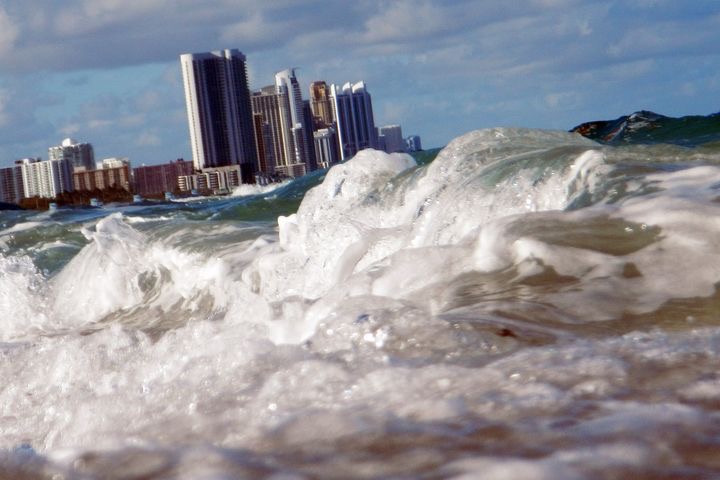 By far one of the most important impacts of global warming in the coming decades will be sea-level rise. As the Earth heats up and ice sheets in Greenland and Antarctica melt, ocean levels will creep upward, flooding coastal cities and forcing large-scale relocations around the world.
But there’s a disturbing asterisk here: We still don’t know exactly how high oceans will rise this century. Studies have suggested it could be anywhere from 2 to 6 feet, on average — with newer evidence leaning toward the higher end, depending on how quickly parts of the massive ice sheet in West Antarctica disintegrate. Worse, climate scientists probably won’t be able to pin down an exact number anytime soon, because getting a handle on ice-sheet dynamics is inherently tricky.
That’s not reason for complacency, though. It actually makes preparation more urgent and difficult, because coastal cities will have to start mounting defenses…
View original post 1,530 more words
Sun Solution: Solar Fast Becoming World’s Cheapest Electricity Source

Solar Energy has always been a no-brainer for most of the world. A few areas of the world would need a more sophisticated mix of renewable types, i.e. to use their brains just a little bit. The only safe nuclear power is the sun.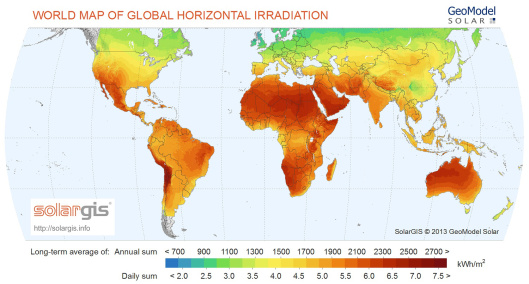
From CommonDreams.org:
“Sun Solution Rises as Solar Fast Becoming World’s Cheapest Electricity Source
Published on Friday, December 16, 2016 by Common Dreams
‘Solar investment has gone from nothing—literally nothing—like five years ago to quite a lot’ by Nadia Prupis, staff writer
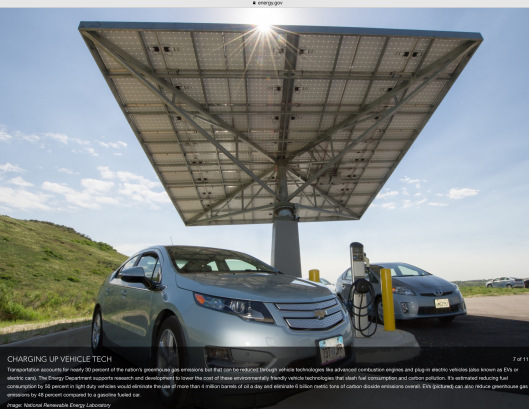
For the first time, solar power is becoming the cheapest form of electricity production in the world, according to new statistics from Bloomberg New Energy Finance (BNEF) released Thursday.
While unsubsidized solar has occasionally done better than coal and gas in individual projects, 2016 marked the first time that the renewable energy source has out-performed fossil fuels on a large scale—and new solar projects…
View original post 582 more words
Farmers on the front lines of #ClimateChange #auspol
Though we first met Richard Wiles when he was executive director at the Environmental Working Group (which he co-founded), he’s also a major player in the ongoing effort to better understand the future’s hotter, less stable climate (also see our deep-dive with Mark Hertsgaard on the subject).
Wiles’s current organization, Climate Central, is on the front lines of the climate battlefield, authoring countless papers, special reports, and graphics, and informing critical news stories on climate issues—and how best to handle them.
Richard’s refreshingly frank assessments on climate change stand out in this space, where the focus on opaque numbers can make the issue feel less urgent than it actually is.
Below, he paints the picture of what climate change will look like in real terms and presents a new idea about how we might slow it down (hint: actual trees are involved).
A Q&A with Richard Wiles
Q
If we…
View original post 2,626 more words
1 This month

of the week – Australians for War Powers Reform (AWPR)
To see nuclear-related stories in greater depth and intensity
 Antinuclear