Japan formally scraps ‘Monju’ Fast-Breeder Nuclear Reactor after 22 years of its failure
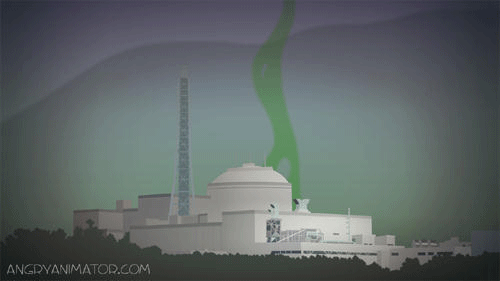
The so-called “dream reactor” was designed to burn a plutonium-uranium mix, while potentially producing more plutonium in the process that could be converted into more nuclear fuel.
The reactor suffered a leakage of sodium, used as coolant, in 1995, months after it went online, a major accident that caused its initial yearslong suspension before more recent safety problems.
It was estimated that Monju would have required costly upgrades to meet new safety standards introduced after meltdowns at a nuclear plant in Fukushima that was flooded by a tsunami in 2011, with at least 540 billion yen ($4.6 billion) and eight more years of work estimated to restart Monju, officials said, citing their latest estimates.
We have decided to decommission Monju because restarting it would require significant time and cost,” Chief Cabinet Secretary Yoshihide Suga said from Fukui, home to Monju in western Japan. Local officials oppose losing Monju, which rakes in subsidies and provides jobs.
Officials, however, said Japan’s spent fuel recycling plan would not change even without Monju. Opponents say Japan should give up the program and shift to direct burial of spent fuel as waste, but officials are seeking another fast reactor to replace Monju, although details are still extremely sketchy.
No comments yet.
1 This month
7 April – WEBINAR – Australia and the Doomsday Clock – Preventing nuclear war through NoFirstUse and other policies
Online | Tuesday April 7, 4:00-5:30pm, Australian Eastern Time / 8:00-9:30am Central Europe Time
– Access the registration link
15 April – Zoom –Nuclear Power is Not the Solution
Apr 15, 2026 01:00 AM in Canberra, Melbourne, Sydney

Join the International Physicians for the Prevention of Nuclear War (IPPNW) on Tuesday, April 14th for a timely webinar exploring the risks associated with nuclear power and challenging the myth that it offers a simple, safe, carbon-free solution to the climate crisis

21 April Webinar: No Nuclear Weapons in Australia
Start: 2026-04-21 18:00:00 UTC Canberra, Melbourne, Sydney (GMT+10:00)
End: 2026-04-21 19:30:00 UTC Canberra, Melbourne, Sydney (GMT+10:00)
Event Type: Virtual
A virtual link will be communicated before the event.
Host Contact Info: australia@icanw.org

of the week – Australians for War Powers Reform (AWPR)
To see nuclear-related stories in greater depth and intensity
 Antinuclear
Leave a comment