49% of Fukushima nuke disaster evacuees returning home to live are elderly: survey

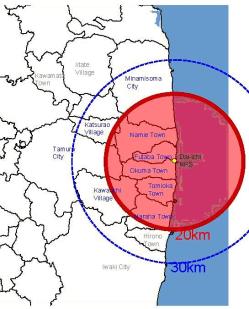
Nearly half of people currently living in nuclear disaster-hit areas in Fukushima Prefecture where evacuation orders have been lifted are aged 65 or over, a survey conducted by the Mainichi Shimbun has found.
The population aging rate — the ratio of people in this age group to the population — in these areas is nearly twice the figure before the outbreak of the Fukushima No. 1 nuclear power plant disaster in March 2011, as many younger evacuees have not come back to their hometowns for fear of being exposed to radiation or have settled down in areas where they took shelter.
The regional communities in these areas could be endangered because their current population is less than 10 percent of the pre-disaster figure and households in these areas consist of smaller member numbers.
The Mainichi Shimbun surveyed nine cities, towns and villages in Fukushima Prefecture about the situations of areas…
View original post 499 more words
Thyroid Cancer Detection by Ultrasound Among Residents Ages 18 Years and Younger in Fukushima, Japan: 2011 to 2014
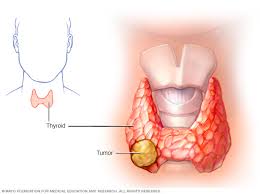
Background: After the Great East Japan Earthquake and Tsunami in March 2011, radioactive elements were released from the Fukushima Daiichi Nuclear Power Plant. Based on prior knowledge, concern emerged about whether an increased incidence of thyroid cancer among exposed residents would occur as a result.
Methods: After the release, Fukushima Prefecture performed ultrasound thyroid screening on all residents ages ≤18 years. The first round of screening included 298,577 examinees, and a second round began in April 2014. We analyzed the prefecture results from the first and second round up to December 31, 2014, in comparison with the Japanese annual incidence and the incidence within a reference area in Fukushima Prefecture.
Results: The highest incidence rate ratio, using a latency period of 4 years, was observed in the central middle district of the prefecture compared with the Japanese annual incidence (incidence rate ratio = 50; 95% confidence interval [CI] = 25…
View original post 103 more words
1 This month
15 April – Zoom –Nuclear Power is Not the Solution
Apr 15, 2026 01:00 AM in Canberra, Melbourne, Sydney

Join the International Physicians for the Prevention of Nuclear War (IPPNW) on Tuesday, April 14th for a timely webinar exploring the risks associated with nuclear power and challenging the myth that it offers a simple, safe, carbon-free solution to the climate crisis

of the week – Australians for War Powers Reform (AWPR)
To see nuclear-related stories in greater depth and intensity
 Antinuclear