
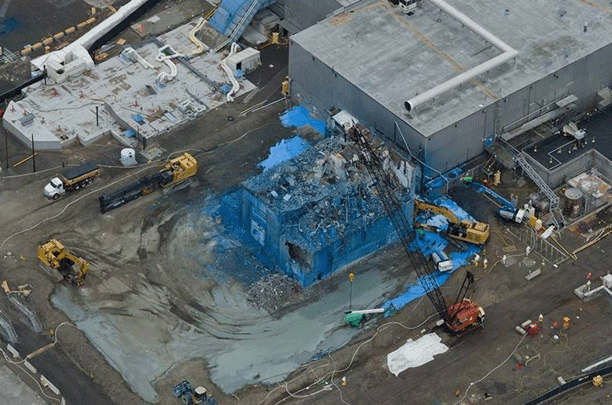
Demolition was stopped at the plant in mid December, after specks of radioactive contamination were discovered to have spread outside of a containment zone established around demolition work.
There is no estimate of when demolition of the plant may restart.The Washington State Department of Ecology and the Environmental Protection Agency notified DOE this week that they would use their authority under the legally binding Tri-Party Agreement to prevent a restart of work if they have concerns about the safety of the public or workers.
The Department of Ecology’s concerns have been growing as more is learned about the extent of the spread of radioactive contamination, said Alex Smith, manager of Ecology’s Nuclear Waste Program.
As recently as Jan. 3, more contamination was detected inside the radiological control area of the plant, indicating that the spread of contamination has not yet been controlled, EPA and Ecology officials said in a letter to DOE this week.
The contamination was found even though a pile of demolition rubble at the plant’s Plutonium Reclamation Facility was covered with fixative and soil multiple times, Ecology officials said.
Although the investigation of the contamination spread is continuing, the suspected source is the pile of rubble left from demolition of the Plutonium Reclamation Facility. The spread of contamination was found just hours after its demolition using heavy equipment was completed.
The facility was expected to be the most hazardous demolition work to be done at the Plutonium Finishing Plant. The facility, added to one end of the plant, was contaminated with plutonium that easily becomes airborne.
The halt to work covers both loading out rubble for disposal and the demolition of the remainder of the finishing plant. Continue reading →

 Antinuclear