The abandoned, radioactive, dogs of Chernobyl
Meet the dogs of Chernobyl – the abandoned pets that formed their own canine community, Hundreds of stray dogs have learned to survive in the woods around the exclusion zone – mainly descendants of those left behind after the nuclear disaster, when residents were banned from taking their beloved pets to safety, Guardian, by Julie McDowall, 6 Feb 18, “….. After the Chernobyl disaster in 1986, Pripyat and the surrounding villages were abandoned, and residents were not allowed to take their pets to safety. Chernobyl Prayer, a devastating oral history of the period, tells of “dogs howling, trying to get on the buses. Mongrels, alsatians. The soldiers were pushing them out again, kicking them. They ran after the buses for ages.” Heartbroken families pinned notes to their doors: “Don’t kill our Zhulka. She’s a good dog.” There was no mercy. Squads were sent in to shoot the animals. But some survived and it is mainly their descendants that populate the zone.
Life is not easy for the Chernobyl strays. Not only must they endure harsh Ukrainian winters with no proper shelter, but they often carry increased levels of radiation in their fur and have a shortened life expectancy. Few live beyond the age of six.
Nadezhda Starodub, a guide with the Chernobyl tour specialist Solo East, says the visitors (there are no “tourists” in the zone) love the dogs. “Most of the time people find them cute, but some think they might be contaminated and so avoid touching the dogs.”….
their health needs are met by Clean Futures Fund, a US non-profit organisation that helps communities affected by industrial accidents, which has set up three veterinary clinics in the area, including one inside the Chernobyl plant. The clinics treat emergencies and issue vaccinations against rabies, parvovirus, distemper and hepatitis. They are also neutering the dogs. Lucas Hixson, the fund’s co-founder, says: “I don’t think we’ll ever get zero dogs in the exclusion zone but we want to get the population down to a manageable size so we can feed and provide long-term care for them.” This makes Chernobyl safer for the dogs, but also for the workers and visitors.
The Chernobyl plant has recently been sealed under a new “sarcophagus” designed and built by a multinational group of experts, and similar cooperation can be seen with the dogs. In the woods behind Chernobyl I look again at yellow-eyed Tarzan and see, not a wild animal, but a playful example of global kindness and cooperation.https://www.theguardian.com/lifeandstyle/2018/feb/05/dogs-chernobyl-abandoned-pets-stray-exclusion-zone
South Australian Government Injects Social Justice with Innovative Solar + Storage and Distribution Plan — Nuclear Exhaust
The South Australian government has recently announced a trial of a plan, which, if successful, will see people on lower incomes benefit from household solar power generation and energy storage, even though they are renting. It is about time an Australian government seriously the inequity in household energy costs suffered by people who are renting. […]
Rooftop solar most reliable source of new generation on NEM, says report — RenewEconomy

Rooftop solar has been installed by over 1.6 million households and is the most reliable source of steadily growing generation in the NEM.
via Rooftop solar most reliable source of new generation on NEM, says report — RenewEconomy
Turnbull’s power play: Snowy 2.0 vs battery storage — RenewEconomy

Snowy 2.0 report confirms that $8 billion project would likely boost coal and lift emissions. Worse, it takes an “us and them” approach to battery storage, and uses some pretty silly battery costings to justify its case.
via Turnbull’s power play: Snowy 2.0 vs battery storage — RenewEconomy
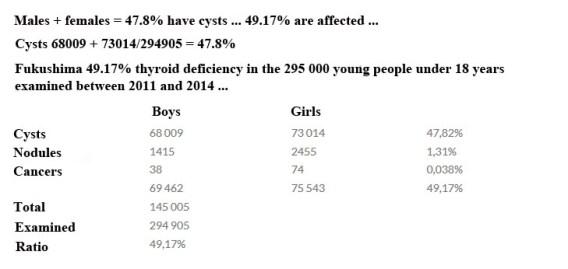
Fukushima 49.17% thyroid deficiency in the 295 000 young people under 18 years examined between 2011 and 2014 …

View original post 112 more words
Know your NEM week: Debate shifts to dispatchable renewables — RenewEconomy

Bond price jump may hit renewable energy projects; state Labor governments under threat; and debate shifts to dispatchable renewable energy.
via Know your NEM week: Debate shifts to dispatchable renewables — RenewEconomy
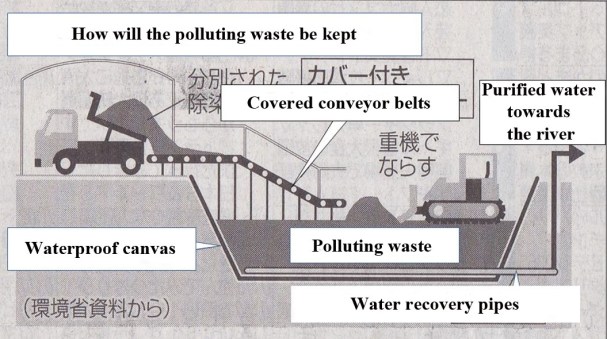
The penultimate storage of contaminated waste

View original post 88 more words
Tesla big battery is already bringing Australia’s gas cartel to heel — RenewEconomy

Incident in January shows how Tesla big battery is already breaking the stranglehold of the gas cartel in South Australia’s electricity market. And for the first time, a wind farm bid in FCAS to keep prices down.
via Tesla big battery is already bringing Australia’s gas cartel to heel — RenewEconomy
Tasmania wants to quit “broken” NEM as major parties agree it needs reform — RenewEconomy
Tasmania’s Liberal government flags plan to quit NEM, as bipartisan Parliamentary report concludes electricity market is broken, needs rebuilding.
via Tasmania wants to quit “broken” NEM as major parties agree it needs reform — RenewEconomy
1 This month
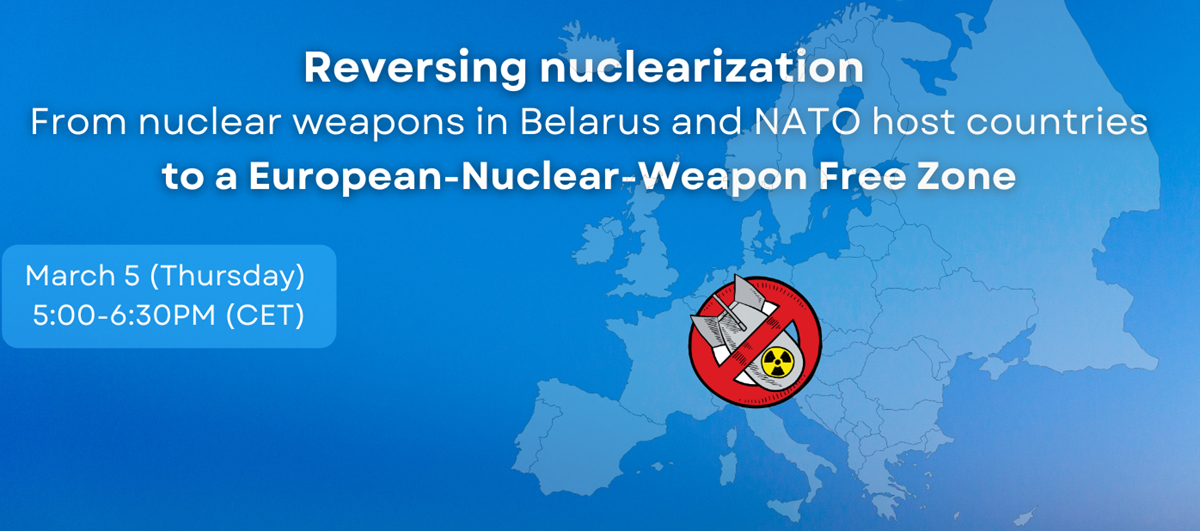
6 March -Online – Reversing nuclearization:
From nuclear weapons in Belarus and NATO host countries to a European-Nuclear-Weapon Free Zone
Mar 6, 2026 03:00 AM in Canberra, Melbourne, Sydney

of the week – Australians for War Powers Reform (AWPR)
To see nuclear-related stories in greater depth and intensity
 Antinuclear