Covid 19 shows that Australia’s security means a lot more than military preparedness
We are facing existential threats to human security that are not amenable to solution by military forces.
The catastrophic summer bushfires incinerated the livelihoods and the lifestyles of so many Australians who live along our coastal fringe. And while the landscape is recovering, albeit slowly, their circumstances are not. Indeed, the arrival of the pandemic has smashed their personal and economic security even further. The hit to the national economy from the combined events will be comparable to that of the second world war, the debt taking decades to run down.
Social inclusion, the protection of rights, the promotion of values and resilience – all of them supported by a strong economic base – are basic elements of security policy. The scope of national security policy needs to transcend traditional defence and law enforcement models by comprehending climate change, human security against pandemics, environmental (and soil) degradation, food security, water shortages and refugee flows – to identify just a few issues.
The wellbeing of both the citizen and the state is the goal of all sound public policy. Traditional security thinking fails to deal with the new security issues presented by global warming, and now, pandemics. These constitute existential threats to human security that are not amenable to solution by military forces. Yet they go to the heart of national security in current circumstances.
For Australia, much of our national security effort needs to be redirected towards these issues domestically. Abroad, more effort needs to go into an energetic and properly resourced diplomacy, a focus on international institution building, and a development assistance program that invests in the human security of our region. Creating international coalitions is hard work. But that’s where Australia’s national security investment needs to be.
No comments yet.
1 This month
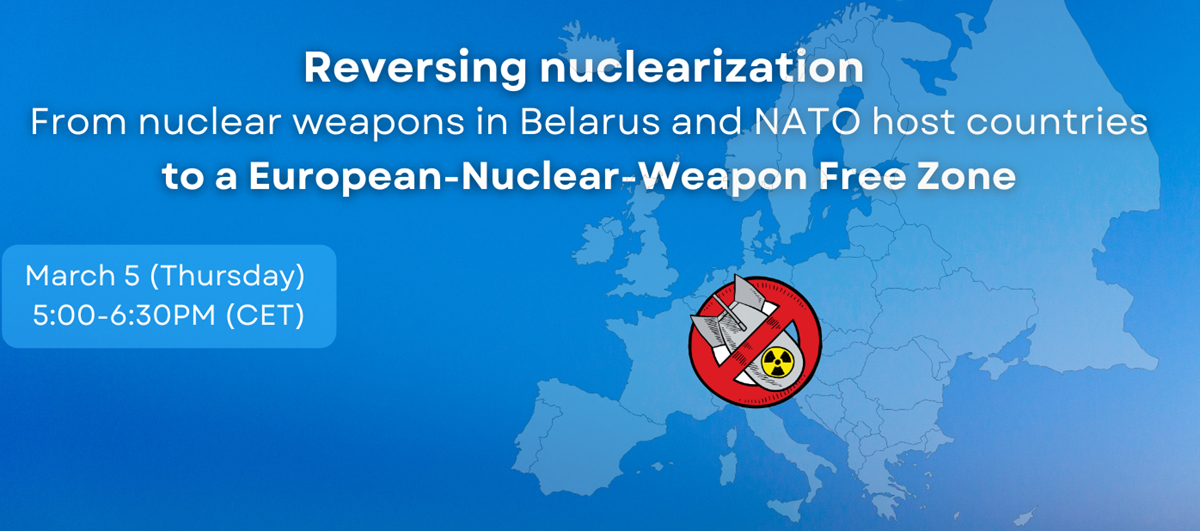
6 March -Online – Reversing nuclearization:
From nuclear weapons in Belarus and NATO host countries to a European-Nuclear-Weapon Free Zone
Mar 6, 2026 03:00 AM in Canberra, Melbourne, Sydney

of the week – Australians for War Powers Reform (AWPR)
To see nuclear-related stories in greater depth and intensity
 Antinuclear
Leave a comment