Our plastic planet
|
Our plastic planet https://www.ehn.org/our-plastic-planet-2647824733.html?rebelltitem=1#rebelltitem1
While climate change remains environmental issue #1, the worries over plastic in our water, soil, food, and bodies continue to grow. Peter Dykstra 28 Sept 20, ”……… It’s hard to ignore the looming mountain of plastics problems. Plastic pollution has been hiding in plain sight as the next eco-calamity for decades. With climate change teed up as the major global environmental challenge, let’s take stock of another modern crisis.
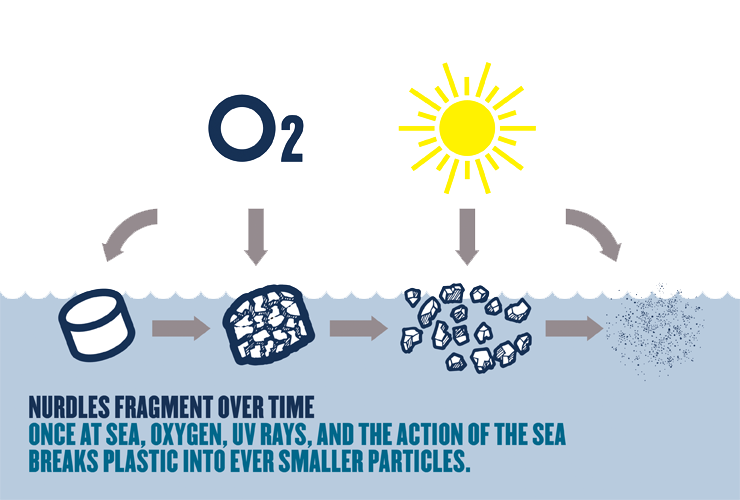
Nurdle alert! My first encounter with nurdles was on what should have been a pristine Costa Rican beach in 1986. The lentil-sized, grayish pellets spread the sands for miles, along with a stunning number of shoes. I never figured out the source of the shoe spill, but nurdles eventually became a headline-maker in the oceans world. Nurdles are the feedstock for much of the world’s production of plastics products. If plastic things were pancakes, nurdles would be the batter. They’re spilled from trucks, boxcars, and in the case of the Costa Rican beach, apparently a container ship. There are no firm statistics on how many spills there have been, or how many hundred of billions of virtually indestructible nurdles litter our beaches and seafloors. One example: in 2017, 600 volunteers scoured 279 U.K. beaches, reporting that two-thirds of them were “littered” with nurdles. We do know that nurdle pollution is the tip of the plastic pollution sh*tberg. Let’s talk recycling. For years, much of what we think of as recycled plastic was collected in communities and eventually shipped to Asia. In 2018, the People’s Republic of China formally announced that they’d officially had it. Imports of recyclable plastic had choked China’s landfills beyond reason. Early, rudimentary successes with recycled goods had run their course. But we reached Peak Flip-Flop, and China’s National Sword initiative slammed the door, barring plastic waste imports from the U.S. and about two dozen industrialized nations. Most of our plastic goes to the landfill. In 1960 the U.S. sent roughly 390 tons of plastic waste to landfills, according to the U.S. Environmental Protection Agency. In 2017, the most recent year there is data for, that number shot to 26,820 tons, which is about nine times more than was recycled. Yikes. Part of this is driven by the market to make plastics: the U.S. fracking boom caused an abundance of cheap natural gas and oil. By mid-2019, it was cheaper to make new plastic than it was to recycle the old stuff. Here are some other quick facts to put a damper on your day:
We know the problem has been building for years, and the paths to solutions are often blocked by the fossil fuel industry, which sees salvation in plastics production as its other marquee products fade. While we all rightly call for leaders to address, and in some cases just acknowledge, the climate crisis, let’s also remember to skip the straws and question those that keep |
|
No comments yet.
1 This month

of the week – Australians for War Powers Reform (AWPR)
To see nuclear-related stories in greater depth and intensity
 Antinuclear
Leave a comment