Inside ‘nuke school’, the elite US training ground preparing Australian submariners for an AUKUS future
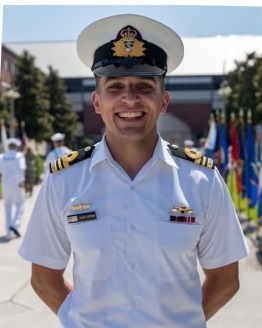
(Looking forward to? Life for months on end in a cramped space, no sunlight or fresh air, very little private space, closed atmosphere – all smells recirculated. Limited news, limited communication with family. Water supplies rationed. Stress and boredom. And it’s dangerous.)
The sale of Virginia-class submarines to Australia requires the approval of the US Congress, and significant changes are needed to a complex set of export controls restricting how sensitive technology is transferred.
By North America bureau chief Jade Macmillan and Bradley McLennan in Charleston
“………………. Three members of the Royal Australian Navy have graduated from the Nuclear Power School in South Carolina, more commonly known as ‘nuke school’.
Three members of the Royal Australian Navy have graduated from the Nuclear Power School in South Carolina, more commonly known as ‘nuke school’…………
Years out from Australia’s acquisition of nuclear-powered subs, the graduation is an early step towards making AUKUS a reality.
But there are still major hurdles ahead when it comes to the broader workforce challenges presented by the plan……………………….
The Australians will now have to complete another set of practical learning, which will include spending time on retired nuclear-powered subs known as moored training ships.
After that, they’ll receive further training in Connecticut before being assigned to a Virginia-class sub…………………..
AUKUS presents major workforce challenges for Australia
The AUKUS plan, announced in San Diego earlier this year, will see Australia acquire a total of eight nuclear-powered submarines at a cost of up to $368 billion.
US submarines are increasing their visits to Australian ports from this year, and from 2027 HMAS Stirling naval base in Western Australia will host rotations of American and British subs under what’s known as ‘Submarine Rotational Force-West’.
Australia is expected to buy at least three Virginia-class submarines from the US from the early 2030s, before building its own nuclear-powered boats in Adelaide to be known as SSN-AUKUS.
They will be based on a British design using US technology, with the first scheduled to be delivered in the early 2040s…………….
“It’s going to require a massive amount of infrastructure, incredible workforce demand, both in terms of technical skills and numbers.
“It just seems like that’s going to be a pretty heavy lift on the part of Australia to do nuclear ship construction.”…………………………….
Virginia-class submarines carry around 132 people, nearly three times the size of the crew onboard the Collins-class boats Australia has now.
And unlike the Collins, nuclear-powered subs do not need to surface regularly to recharge, meaning they can stay submerged for months at a time…………………………………………
The new subs will be built in South Australia, while Western Australia’s HMAS Stirling is undergoing an $8 billion expansion.
…………………………………………….. Challenges lie ahead to bring AUKUS to fruition
Aside from skills and workforce issues, there are other major challenges that still need to be overcome to bring AUKUS to fruition.
The sale of Virginia-class submarines to Australia requires the approval of the US Congress, and significant changes are needed to a complex set of export controls restricting how sensitive technology is transferred.
Questions also remain over how the US will deliver the promised Virginia-class submarines, given the pressure its own shipyards are under to meet local demand.
The US Chief of Naval Operations, Admiral Michael Gilday, last month said it was “too early” to provide an answer on exactly where the subs would come from…………… https://www.abc.net.au/news/2023-07-08/aukus-nuke-school-training-australian-navy-submariners/102572156
No comments yet.
1 This month

of the week – Australians for War Powers Reform (AWPR)
To see nuclear-related stories in greater depth and intensity
 Antinuclear
Leave a comment