As Japan releases more Fukushima water, what about the rest of the plant?

A second batch of treated water is being released into the Pacific, but the entire decommissioning process will be far more complex.
all that will need to take place in an environment where the level of radiation is so high, it is nearly impossible for workers to get inside.
Japan has not yet worked out where all the waste will go
Aljazeera, By Hanako Montgomery, 5 Oct 2023 #nuclear #anti-nuclear #nuclear-free #NoNukes
“…………………………………………………………………………………………Japan has promised to decommission the power station as part of its recovery plan for Namie town and the rest of Fukushima prefecture. The plant’s six reactors suffered catastrophic damage, after the tsunami smashed into the complex, crippling the plant’s cooling systems. As radioactive material leaked from the site, 470,000 people were forced to evacuate.
But while the plant had been rendered useless, progress towards its decommissioning has been slow.
Complex challenge
According to Tokyo Electric Power Company (TEPCO), the plant operator, that is partly because of the accumulation of 1.3 billion tonnes of treated radioactive wastewater that was used to cool the three reactors that were in operation at the time of the disaster.
The 1,000 or so blue and white tanks to store the water have taken up space needed for decommissioning, according to TEPCO, which has had to contend with strong criticism from local fishing communities and neighbouring countries like China, which have continued to protest against Japan’s plan to discharge the water into the ocean.
………………………………………………………………… According to TEPCO, the entire decommissioning process will take between 30 and 40 years. That is at least six times longer than it typically takes to decommission a plant under normal circumstances, Brent Heuser, a nuclear engineering professor from the University of Illinois in the United States, told Al Jazeera.
“Decommissioning involves removing fuel stored in structured arrangements. Japan, however, is facing unique challenges such as widely dispersed fuel, requiring both human and robotic efforts for detection,” he told Al Jazeera.
Japan has not yet worked out where all the waste will go.
TEPCO is planning to reduce some of it through incineration or recycling onsite, but that does not include the waste that will be produced from the dismantling of reactor buildings, and there is no estimate for how much radioactive waste there will be as the process moves forward.
To decommission the Daiichi plant, TEPCO must first remove the spent fuel and the fuel debris that is stuck inside the damaged units. Experts will then place the collected debris in storage containers before they can transport it to a new facility that will be built onsite.
The reactor buildings must also be dismantled.
Later this year, TEPCO will carry out a trial removal of melted debris from Unit 2. The retrieval will be expanded in stages if successful.
By 2027, plant operators hope to be able to turn their attention to Unit 1, the most seriously damaged of the reactors, which they plan to enclose with a large cover.
By 2031, they will focus on removing the melted debris.
But all that will need to take place in an environment where the level of radiation is so high, it is nearly impossible for workers to get inside.
“The doses they would receive would go way beyond any allowable limit, so that certainly is playing a role in the extended timeline for the decommission process,” Heuser said, suggesting more staff may be needed given the short period of time they will be able to remain on site.
“They’re spreading the worker dose exposure over a much larger body of people.”
Help from robots
The level of radiation means Japan is also yet to understand the full extent of the damage inside the corroded reactors.
TEPCO has used robotic probes to try and get a sense of the destruction. Equipped with 3D scanners, sensors, and cameras, robots have mapped the terrain, measured radiation levels, and searched for the elusive missing fuel.
Although some headway has been made in assessing the condition of the reactors, the data is far from reassuring.
Since 2022, TEPCO has dispatched a robotic probe into Unit 1.
The probe’s findings revealed the core had largely melted and settled at the bottom of the containment chamber – which serves as a vital safeguard against the release of radioactive material – and possibly Unit 1’s concrete basement. Furthermore, it suggested significant damage to the pedestal, the primary support structure directly beneath Unit 1’s core.
Financial considerations also loom large in Japan’s struggle with decommissioning
Ordinarily, the decommissioning of a standard nuclear plant would cost between $300m to $400m, according to the US nuclear regulator.
But given the extensive damage, compensation paid to local residents and the specialised equipment required for managing one of the world’s worst nuclear disasters, the Japanese government predicts the final bill could come to about 21.5 trillion yen ($141bn).
Akira Ono, who leads TEPCO’s decommissioning unit, has admitted the work is “challenging”. Earlier this year, a remotely-operated vehicle managed to collect only a tiny sample from Unit 1’s reactor, which is thought to contain some 880 tonnes of melted fuel debris -10 times the amount removed during the cleanup of Three Mile Island in the northeastern United States in 1979………………………………………………………………………….. https://www.aljazeera.com/news/2023/10/5/as-japan-releases-fukushima-water-into-the-sea-what-about-everything-else
No comments yet.
1 This month
7 April – WEBINAR – Australia and the Doomsday Clock – Preventing nuclear war through NoFirstUse and other policies
Online | Tuesday April 7, 4:00-5:30pm, Australian Eastern Time / 8:00-9:30am Central Europe Time
– Access the registration link
15 April – Zoom –Nuclear Power is Not the Solution
Apr 15, 2026 01:00 AM in Canberra, Melbourne, Sydney

Join the International Physicians for the Prevention of Nuclear War (IPPNW) on Tuesday, April 14th for a timely webinar exploring the risks associated with nuclear power and challenging the myth that it offers a simple, safe, carbon-free solution to the climate crisis
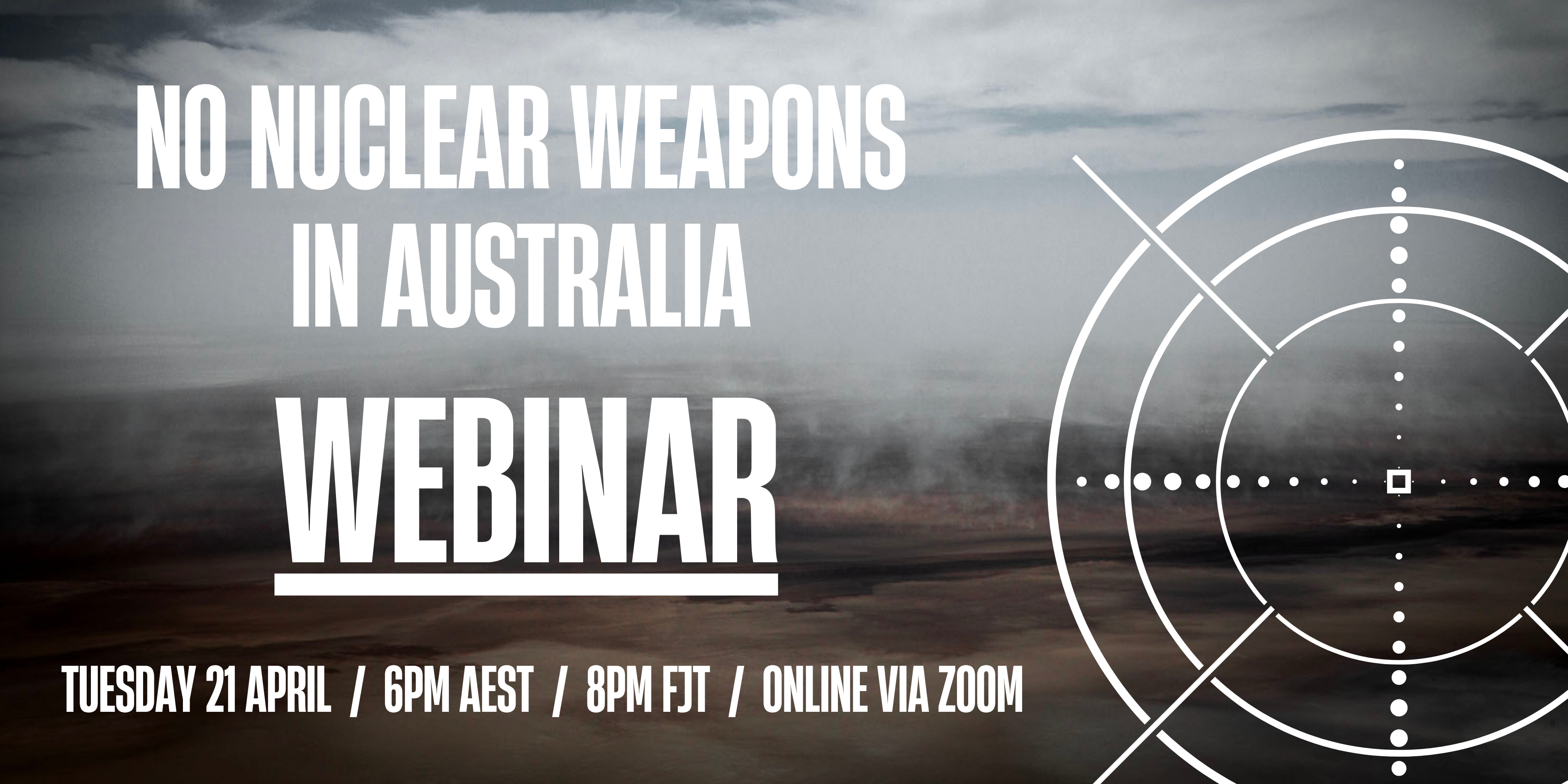
21 April Webinar: No Nuclear Weapons in Australia
Start: 2026-04-21 18:00:00 UTC Canberra, Melbourne, Sydney (GMT+10:00)
End: 2026-04-21 19:30:00 UTC Canberra, Melbourne, Sydney (GMT+10:00)
Event Type: Virtual
A virtual link will be communicated before the event.
Host Contact Info: australia@icanw.org

of the week – Australians for War Powers Reform (AWPR)
To see nuclear-related stories in greater depth and intensity
 Antinuclear
Leave a comment