Summary of the nuclear push at COP 28

As the FT <https://www.ft.com/content/bc486d67-8f92-46b3-9072-f0357d7f0336>
puts it, one thing is clear about COP28, the spotlight is on nuclear power
with an unprecedented amount of attention at this year’s gathering. Over 20
countries, including the US, UK, and United Arab Emirates, have signed a
declaration to triple nuclear capacity
<https://www.france24.com/en/environment/20231202-more-than-110-countries-join-cop28-deal-to-triple-renewable-energy-by-2030>
by 2050. Whether the world can deliver on these nuclear promises is
questionable — the sector is notorious for high construction costs and
lengthy project timelines, not to mention hazardous waste. The goal of
tripling the world’s nuclear output would require deploying an average of
40 gigawatts of nuclear power
<https://www.canarymedia.com/articles/nuclear/20-plus-countries-pledge-to-triple-the-worlds-nuclear-energy-by-2050>
every year through 2050, according to the World Nuclear Association.
Despite the hype, global nuclear power generation declined 4 per cent in
2022 to its lowest level in four decades, according to the new World
Nuclear Industry report <https://www.worldnuclearreport.org/>
.
No comments yet.
1 This month
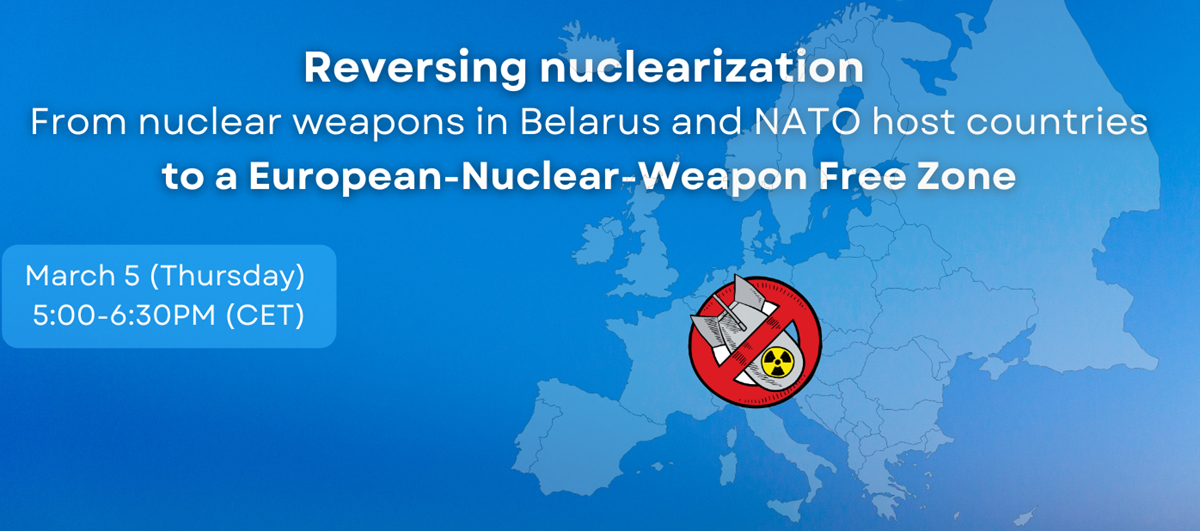
6 March -Online – Reversing nuclearization:
From nuclear weapons in Belarus and NATO host countries to a European-Nuclear-Weapon Free Zone
Mar 6, 2026 03:00 AM in Canberra, Melbourne, Sydney

of the week – Australians for War Powers Reform (AWPR)
To see nuclear-related stories in greater depth and intensity
 Antinuclear
Leave a comment