Without a massive grid upgrade, the Coalition’s nuclear plan faces a high-voltage hurdle
The Conversation, Asma Aziz, Senior Lecturer in Power Engineering, Edith Cowan University, 8 July 24
Keeping the lights on in Australia is a complex task. Enough capacity must be ensured everywhere in the country, at every moment. Surplus in one location won’t solve shortages in another, unless we have the transmission infrastructure to transmit electricity between them.
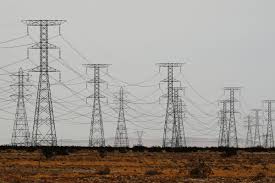
The transmission network largely consists of high-voltage lines and towers, as well as transformers which transfer electrical energy from one circuit to another.
Australia’s transmission network is one of the oldest and longest in the world. As coal stations close and more renewable energy is built, the task of upgrading the system becomes even more pressing. So formidable is the challenge, it’s one of the biggest roadblocks Australia faces in reaching its crucial goal of net-zero emissions by 2050.
The Coalition’s plan for seven nuclear energy plants in Australia further complicates the task. A clear policy direction for Australia’s electricity system is urgently needed………………………………………………………………………………………………………
So far this decade, 490 kilometres of new transmission lines have reportedly been added to the National Electricity Market, which serves the east coast and South Australia. A further 2,090 km of transmission lines are progressing from the planning phase to the construction phase.
There’s still a lot of work to do: around 10,000 km of new transmission lines is needed by 2050. Western Australia’s main electricity network also needs more than 4,000 km of new high-capacity transmission lines.
Transmission congestion in Australia is a looming problem. For example, South Australian transmission company ElectraNet forecasts rising congestion on that state’s network due to planned expansions of electricity generators, peaking in the late 2020s and 2030s.
What’s more, planning studies have identified ageing assets in Queensland’s transmission network, requiring new routes to manage constraints and ensure reliable supply.
Where does nuclear fit in?
All this has implications for the Coalition’s nuclear plan, if it comes to fruition.
The CSIRO and others say a nuclear power plant of any size would not be operational in Australia until after 2040.
If transmission lines are congested at that future point, nuclear power plants may not be able to send all their electricity to the grid.
Nuclear plants are expensive to build and run. But they typically generate electricity continuously, helping to offset these costs. If the plants can’t feed into the grid, or can’t sell their electricity at competitive prices, they may lose revenue and struggle to cover their costs, affecting their long-term viability.
The continuous high output of nuclear plants also helps them run efficiently. Frequently adjusting energy output leads to more wear, lower efficiency and reduced energy production over time.
Constraining nuclear output can have broader repercussions, too. In France, for instance, nuclear output is at a 30-year low, forcing the country to import electricity and prepare for potential blackouts. The reactors are offline for maintenance, not due to transmission issues. But the example highlights the consequences when nuclear energy is taken out of the mix for any reason. https://theconversation.com/without-a-massive-grid-upgrade-the-coalitions-nuclear-plan-faces-a-high-voltage-hurdle-233458?utm_source=twitter&utm_medium=bylinetwitterbutton
No comments yet.
1 This month

of the week – Australians for War Powers Reform (AWPR)
To see nuclear-related stories in greater depth and intensity
 Antinuclear
Leave a comment