Doctors fear health fallout from nuclear energy plans
Canberra Times, By Marion Rae, February 12 2025
Doctors have warned of no “safe” level of radiation from a proposed network of nuclear reactors as battlelines are drawn for the federal election.
Similar to other nuclear-powered nations, Australians living within a certain radius of a reactor would need to be issued potassium iodide tablets for use in a radiation emergency, a nuclear briefing has learned.
“The only reason that everyone in that radius is given that is because they might need it,” Assistant Minister for Climate Change and Energy Josh Wilson told a nuclear briefing on Tuesday.
If anyone comes to buy your house, the proximity of a reactor will be noted on the land titles register, and insurers will not cover nuclear accidents, he said.
The warning came as doctors fronted parliament to warn of long-term health risks for workers and surrounding communities, particularly children.
Evidence included a meta-data analysis of occupational and environmental exposure that accumulated data on more than seven million people.
It found living within 30km of a reactor increased overall cancer risk by five per cent, with thyroid cancer increasing by 14 per cent and leukaemia by nine per cent.
A separate study of workers in the nuclear industry in France, the United Kingdom and the United States analysed results from more than 300,000 people who were monitored for over 30 years.
Finding not only increased cancer rates but surprisingly increased rates of heart attacks and strokes, it found impacts at low doses were larger than previously thought.
“There is no ‘safe’ lower dose of radiation. The science is clear. All exposure adds to long-term health risks,” vice-president of the Medical Association for Prevention of War Dr Margaret Beavis said……………………………
Under the coalition’s nuclear energy blueprint, seven reactors would be built across five states to replace ageing coal-fired power plants with more gas-fired plants to provide baseload power in the interim.
“Zero-emissions nuclear plants” are a key part of the Nationals’ election pitch to regions where coal plants are already closing, while Labor is pressing ahead with the transition to renewable energy backed up by big batteries.
Public Health Association of Australia spokesman Dr Peter Tait said the idea that the nuclear industry was free of greenhouse gas emissions was a “furphy”, given the construction and uranium supply chain involved.
Emissions would rise threefold under the nuclear plan due to increased coal and gas use, he warned, with the first plant not due to come online until the late 2030s.
From a public health perspective, Australians can’t afford that delay, Dr Tait said.
Executive director of Doctors for the Environment Dr Kate Wylie said prolonging the dependency on fossil fuels would mean more Australians would be affected by their known health risks, including increased rates of asthma.
Nuclear energy would also put communities at risk during the next drought, when reactors would be first in line for scarce water, Dr Wylie said.
“The ethical thing to do is to choose the least water-intensive energy sources, which are wind and solar,” she said. https://www.canberratimes.com.au/story/8890265/doctors-fear-health-fallout-from-nuclear-energy-plans/?fbclid=IwY2xjawIan3hleHRuA2FlbQIxMQABHaAJ7wF9BUi9CgA1_tQDXS5gC2WCrX8HSFZUrOQPGgXABnNkhEvlgHKolQ_aem_OShH2FPpE3tO3RIv_gAgBg
Revealed: The water supply risks posed by Dutton’s nuclear plan
The Age, By Mike Foley, February 13, 2025
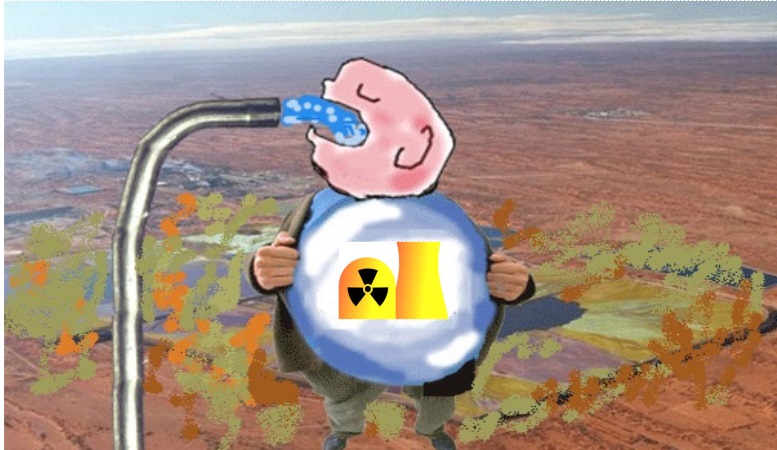
Opposition Leader Peter Dutton’s proposed nuclear plants will suck more water from nearby rivers than the coal plants they would replace, posing a challenge to maintaining drinking supply for local communities and irrigation for farms.
The federal government cites its own modelling to claim nuclear would use up to three times more water than the coal plants that are critical for the opposition’s pledge to help households with power prices and reach net zero emissions by 2050.
A secure water supply is crucial for the communities the opposition has selected as sites for the seven nuclear plants it has pledged to build if it wins the election, due by May.
There is no water to spare in the local rivers that supply the coal plants the Coalition has selected to host a nuclear reactor, where state governments issue licences to manage the competing needs of residents, farming and environmental requirements.
Greater water consumption from nuclear energy could shrink the size of the agriculture sector. Introducing a government buyer into the market would also likely raise water prices for the farmers who remain and create tension between key Coalition voter groups.
For example, Lithgow’s Mt Piper coal power station about 140 kilometres west of Sydney, a site earmarked for a nuclear plant, is located in the Macquarie water catchment where cotton, wine grapes and grains are grown.
Departmental data released by Labor on Wednesday states the opposition’s seven nuclear plants would collectively use 500 gigalitres – roughly the same volume as Sydney Harbour – to generate the amount of power they plan to supply to the grid each year.
The seven coal plants earmarked to be replaced by nuclear use 168 gigalitres a year, generating 48-terawatt hours of electricity.
Why does nuclear need more water than coal?
Coal and nuclear plants both use their heat source to boil water, make steam and spin turbines to generate electricity. This steam is cooled back to water (when most water loss occurs) and then re-used in the plant.
The opposition’s energy policy stipulates their nuclear plants would run at near full capacity every day of the year to recoup costs.
That means nuclear would need to draw on more water, far more often than some of the coal plants they replace, which run about 60 per cent of the time.
What do experts say?
The government cited an Australian National University study to make its claim that nuclear plants use 40 per cent more water than coal plants on average because their cooling processes tend to be less efficient.
ANU engineering professor Andrew Blakers said he stood by his findings.
“The key point is coal and nuclear and thermal power stations need water cooling,” Blakers said. “Solar and wind use vastly less because they don’t need any water for cooling.”…………………………………………………………..
What do farmers say?
NSW Irrigators Council chief executive Claire Miller said “water is a very scarce resource” and all the available supplies around Lithgow and the Hunter Valley are committed to existing industries.
“Governments need to consider very carefully any industries coming in that increase the competition for that resource and what the impacts would be on other water users, including farmers.” https://www.theage.com.au/politics/federal/thirsty-nuclear-plants-will-suck-crucial-water-from-farm-communities-20250212-p5lbfr.html
1 This month
15 April – Zoom –Nuclear Power is Not the Solution
Apr 15, 2026 01:00 AM in Canberra, Melbourne, Sydney

Join the International Physicians for the Prevention of Nuclear War (IPPNW) on Tuesday, April 14th for a timely webinar exploring the risks associated with nuclear power and challenging the myth that it offers a simple, safe, carbon-free solution to the climate crisis

of the week – Australians for War Powers Reform (AWPR)
To see nuclear-related stories in greater depth and intensity
 Antinuclear