Australia backs strikes on Iran – but do Australians?
1 March 2026 AIMN Editorial. By Peter Brown, https://theaimn.net/australia-backs-strikes-on-iran-but-do-australians/
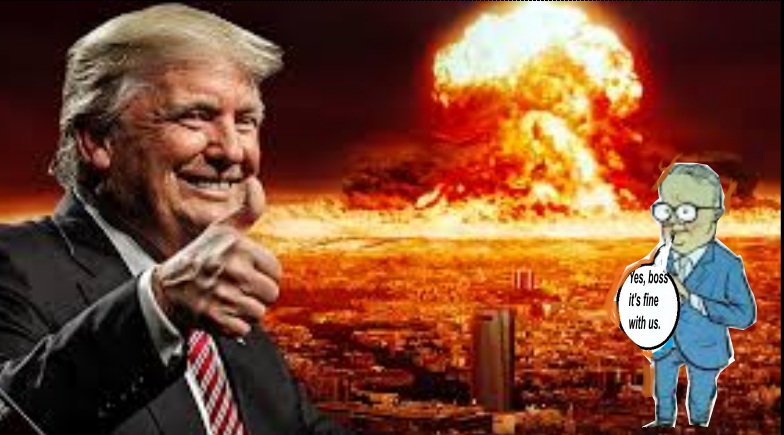
When the United States and Israel launched coordinated strikes on Iran, the immediate international reaction ranged from firm endorsement to urgent calls for restraint.
In Canberra, the response was swift and clear. Prime Minister Anthony Albanese announced Australia’s support for the action, framing it within longstanding concerns about Iran’s regional conduct and nuclear ambitions. Foreign Minister Penny Wong and Defence Minister Richard Marles reinforced the government’s position, while travel advisories were updated and contingency arrangements activated for Australians in the region.
Diplomatically, the decision reflects a familiar pattern. Australia has historically aligned with its principal security partner in moments of escalation. Alliance credibility, non-proliferation principles and strategic continuity remain central pillars of Canberra’s foreign policy.
The domestic response, however, is less predictable.
For many Australians – particularly those who prioritise national security and alliance stability – support for the strikes follows a straightforward logic. Iran’s nuclear program has long been a source of international tension. Its involvement in regional proxy conflicts is widely documented. From this perspective, action aimed at preventing further escalation or nuclear capability can be seen as a deterrent measure rather than a provocation.
There is also the matter of alliance expectations. Australia’s security architecture is deeply interwoven with that of the United States. Moments of crisis test not only military capability but diplomatic reliability. Governments in Canberra, of both major parties, have historically erred on the side of solidarity.
At the same time, military action in the Middle East carries a long and complicated legacy. Public memory of Iraq and Afghanistan informs contemporary debate. For some Australians, the threshold for supporting overseas strikes is higher than it once was.
That caution has precedent. In the years following the 2003 Iraq invasion, polling consistently showed a majority of Australians believed Australia should not have participated – a reminder that public sentiment can shift sharply once the long-term consequences of intervention become clear.
Concerns now being raised focus less on defending Iran’s government and more on the risks inherent in escalation: retaliation across the region, disruption to global energy markets, and the possibility of a broader conflict drawing in additional powers.
Within parts of Labor’s traditional base – already engaged in debates over AUKUS and Australia’s expanding strategic footprint – questions about proportionality and long-term consequences have already surfaced. Peace organisations and some crossbench figures have signalled the need for restraint and renewed diplomatic channels.
Reasonable observers can hold two positions simultaneously: that Iran’s regime presents genuine strategic challenges, and that military escalation carries unpredictable consequences.
The Political Test Ahead
At this early stage, comprehensive polling on the current strikes is limited. Historically, Australian public opinion on international conflicts has tended toward caution. Support for allies often coexists with reluctance for deeper involvement.
What may ultimately shape domestic opinion is not the initial decision, but what follows. If the strikes remain contained and diplomatic efforts regain momentum, public reaction may remain measured. If escalation broadens – affecting global markets, regional stability, or Australian nationals abroad – scrutiny of Canberra’s stance will intensify.
For the Albanese government, the immediate decision aligns with longstanding strategic settings. The longer-term test will be flexibility: whether Australia can both maintain alliance solidarity and adapt its position as events evolve.
Foreign policy decisions made in the opening hours of a crisis often appear decisive. Their durability depends on what unfolds next.
In moments like this, governments act quickly. Public opinion tends to move more gradually – but it is rarely indifferent to outcomes.
No comments yet.
1 This month

of the week – Australians for War Powers Reform (AWPR)
To see nuclear-related stories in greater depth and intensity
 Antinuclear
Leave a comment