Aboriginal art exhibition “Flow of Voices” highlights environment and history
Aboriginal elders paint pre-mine tragedy GINA FAIRLEY Visual Arts Hub, 3 JUNE, 2014
A new exhibition from remote mining country provides a ‘prequel’ tale that goes back to colonial frontier massacres Jacky Green’s potent pictures of the environmental impact of the Macarthur River Mine’s (MRM) on the remote Gulf Country of Borroloola recently offered a powerful example of the way art tells an important contemporary story.
But the region, which sits just below the Gulf of Carpentaria in the Northern Territory, has an equally charged story of land and dispossession from colonial times which is now the subject of a matching exhibition Flow of Voices 2: Stewart Hoosan and Nancy McDinny……….in this unrecognised frontier war about one-sixth of the population lost their lives in lawless massacres and violence (600 men, women and children in official records),’ said Cross Arts Projects director Jo Holder.
‘Nancy McDinny and Stewart Hoosan insist that the settlement of Australia wasn’t a simple story of Aboriginal people acquiescing to the occupation of their land, but one of resistance where many people fought back against violence, sexual abuse and dispossession’, Holder added in a statement.
‘When they were powerful old people, didn’t know how to speak English but used to talk in language, saying, “We not going to give away our land. This is our land. It belong here. This is our history, our story and our dreaming”,’ said McDinny.
The old people who set up Waralungku art centre – including McDinny, Hoosan and the late Ginger Riley (from Ngukkur) – wanted to make history paintings to account for their peoples’ agency and overwhelming belief in their just claim on their land. Renowned for their colour and realism, ‘many paintings from the Gulf are unique conceptual and analytic documents about history and contemporary issues,’ explained Holder………The partner exhibitions ‘argue for proper consultation, environmental monitoring, restoration and community benefit in exchange for resource extraction. Without proper respect for people and country racial hierarchies and “imperial” attitudes persist,’ said gallery director Jo Holder.
Green’s work captures that sentiment: ‘I want to show people what is happening to our country and to Aboriginal people. No one is listening to us. What we want. How we want to live. What we want in the future for our children. It’s for these reasons that I started to paint. I want government to listen to Aboriginal people. I want people in the cities to know what’s happening to us and our country.’
The artists and Waralungku Arts are proud to announce their plan to found a Yanyuwa, Garrwa, Marra and Gudanji People’s Keeping Place and Knowledge Centre at Borroloola.
Flow of Voices 2:
Cross Art Projects, Kings Cross
22 May – 28 June 2, 2014
www.crossarts.com.au
www.waralungku.com http://visual.artshub.com.au/news-article/news/visual-arts/aboriginal-elders-paint-pre-mine-tragedy-244014
Australian govt to open up nuclear weapons test site to Aboriginal people, AND to uranium mining!
 Traditional Maralinga Tjaruta people gain unrestricted access to rehabilitated land where nuclear testing occurred news.com.au 3 June 14 The federal government will on Wednesday announce 1782 square km in area will be formally excised from the Woomera Prohibited Area at the request of the Maralinga Tjaruta people……..
Maralinga Tjarutja general manager Richard Preece said the decision would enable the traditional owners to enter section 400 without seeking approval from the Defence Department.
“We didn’t think it’s sensible to have within the range something that would probably be the last place in Australia you’d want to drop bombs on,’’ Mr Preece said…….
Nuclear testing was conducted by the British government in Australia between 1952 and 1963.
Maralinga was officially closed in 1967.
The federal government hopes a bill opening the Woomera Prohibited Area for exploration and mining will be passed by Parliament during its winter sittings. Up to $35 billion worth of iron ore, gold and uranium is believed to lie beneath the ground in the prohibited area.
If the bill becomes law, it will create a new access regime for non-Defence users.
The State Government and federal Labor MPs have been pushing for the bill to be passed as soon as possible, arguing it will create new economic opportunities for South Australia, which could help offset the impact of the Holden closure. http://www.news.com.au/national/south-australia/traditional-maralinga-tjaruta-people-gain-unrestricted-access-to-rehabilitated-land-where-nuclear-testing-occurred/story-fnii5yv4-1226942188796
Abbott government cuts Aboriginal funding, and promotes discrimination
Budget cuts stir Aboriginal anger in Australia Ft.com By Jamie Smyth in Sydney, 3 June 14, “……This is our land. They have pulled our houses down and want to replace them with student accommodation and shops,” says the 66-year-old, who has lived for a half century in Redfern, seen by many Aboriginals as their spiritual home in Sydney.
This battle for social housing is just one of the many struggles Aboriginal communities face as they strive to emerge from two centuries of discrimination and grinding poverty.
The Redfern protest – timed to coincide with National Reconciliation Week – is taking place against the backdrop of a A$500m cut in Aboriginal funding programmes in the federal budget, which includes A$160m in health services alone. It also comes as Canberra proposes a watering down of the racial discrimination act, which was introduced in 1975 following a long and bitter political battle.
The government changes are alarming Aboriginal leaders, who were told by Tony Abbott when he was elected in September 2013 he would be a “prime minister for Aboriginal affairs”. Critics say it is a broken promise by Mr Abbott, who has been accused of backtracking on several key election commitments since May’s budget – the toughest in Australia for almost two decades.
“What beggars belief is they are saying they support freedom of speech while at the same time they are taking away money from [Aboriginal] advocacy bodies,” says Thomas Calma, an Aboriginal elder from Darwin and former race discrimination commissioner
The coalition wants to repeal a section of the race discrimination act, which makes it unlawful to “offend, insult or humiliate” another person because of their “race, colour or national or ethnic origin”.
“People do have a right to be bigots,” said George Brandis, Australia’s attorney-general, when he proposed the changes to parliament as a way to bolster free speech.
“With this budget the government is really moving back to the discriminatory policies we saw in the past. It is back to the future in Australia.” http://www.ft.com/intl/cms/s/0/5d031d70-eab5-11e3-80fb-00144feabdc0.html#axzz33hiLRfqj
Federal Court hears of invalid plan to dump nuclear waste on Aboriginal land
 Nuclear waste dump on Aboriginal land invalid, court told The West Australian, 3 June 14. Sydney (AFP) – The earmarking of a remote Australian outback area as a nuclear waste dump was invalid because officials failed to contact all traditional Aboriginal landowners affected, a court heard Monday.Muckaty Station in the Northern Territory was nominated in early 2007 as a site to store low and intermediate radioactive waste under a deal negotiated with the Aboriginal Ngapa clan.
While Australia does not use nuclear power, it needs a site to store waste, including processed fuel rods from the country’s only nuclear reactor at Lucas Heights, on the outskirts of Sydney,…..Opponents have fought against the dump for years, with a trial starting in the Federal Court in Melbourne Monday alleging Muckaty’s nomination was invalid due to a failure of the government and the land council to obtain the consent of all Aboriginal owners.
“What we’re here to say is ‘no more’ and that this process was so legally flawed that it is invalid,” Ron Merkel, who is representing traditional owners, told the court.
“The opposition is in no small part based on a spiritual affiliation to the land and that radioactive waste will poison the land,” he said in comments cited by Australian Associated Press.
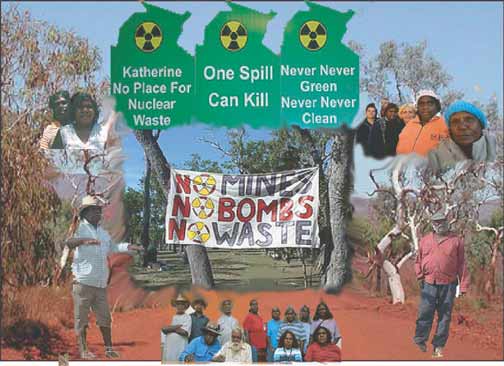
The court was told the consent of all groups with a claim to the land was required for the facility to go ahead, but some Aboriginals whose country was affected have never had a chance to voice their concerns until now……..Speaking to reporters, Kylie Sambo, of the Warlmanpa people, said the idea of a waste facility on the land, which is in the centre of the country, was “poison”.
“We don’t want it to spoil our country because we love our land and we’ve been there for centuries,” she said. “My uncle once told me, ‘You may think you own the land, but in fact the land owns us’.”
The Australian Conservation Foundation said the case raised questions about the country’s management of long-lived radioactive waste.
“Australia has never has an independent assessment of how best to manage radioactive waste; now we urgently need one,” campaigner Dave Sweeney said.
The case is set to run for five weeks. https://au.news.yahoo.com/thewest/world/a/24084083/nuclear-waste-dump-on-aboriginal-land-invalid-court-told/
Aboriginal elders were misled by Northern Land Council over Muckaty nuclear waste dump plan
 Northern Land Council ‘misled’ elders over Muckaty Station nuclear dump site http://www.theaustralian.com.au/national-affairs/policy/northern-land-council-misled-elders-over-muckaty-station-nuclear-dump-site/story-fn9hm1pm-1226940619084# PIA AKERMAN THE AUSTRALIAN JUNE 03, 2014 ONE of the country’s most powerful Aboriginal bodies has been accused of misleading Top End residents about the safety of using Muckaty Station as a nuclear waste dump site.
In the opening day of the legal challenge to the proposed nuclear waste facility at Muckaty, 110km north of Tennant Creek, opponents of the plan said they would never accept nuclear waste there.
Ron Merkel QC, representing Mark Lane Jangala and three other elders who oppose the waste dump, told the Federal Court that the Northern Land Council had acted outside its powers and misrepresented the facts during “consultations’’ with traditional landowners.
“This is a matter which has literally torn the Muckaty community apart,” he said.
Mr Merkel’s submissions claim the NLC failed to ensure traditional owners understood the effect of nominating Muckaty as a nuclear waste site, telling them it was safe to bury it and downplaying any risks. The NLC is also accused of incorrectly identifying people with an interest in the land and not consulting in a culturally appropriate manner with Aboriginal interpreters.
Muckaty Station was chosen by the Howard government in 2007 after being volunteered by the NLC in a deal worth more than $12 million to the NLC and $10m initially to the Northern Territory government, which would receive another $2m a year from other governments once the facility was operational.
Mr Merkel said “not one” Aboriginal person at Muckaty had any right to any money if the dump went ahead according to a deed that nominated the site.
The hearing continues in Melbourne this week before moving to the NT.
Aboriginal owners fear that radioactive waste dump will poison their land
NT nuclear dump will ‘poison’ land: trial The indigenous owners of Muckaty Station, which is earmarked for a nuclear waste dump, fear it will poison their land. SBS News, 2 June 14, Source AAP “….…The indigenous owners of the Northern Territory’s Muckaty Station were asked to welcome a nuclear waste dump while waving away their rights to compensation, a court has heard.The remote site near Tennant Creek has been earmarked, since 2007, as the site of a major Commonwealth-run radioactive waste storage facility.
A seven-year bid to halt the project reached the Federal Court on Monday, where Justice Anthony North was told its indigenous owners were being short-changed………
Mr Merkel said the waste to be stored at the site would remain dangerously radioactive for 200 years, and indigenous people he represented had a connection to the land for 50,000 years. The indigenous owners did not want it to proceed, he said, because they believed it would affect their spiritual affiliation with – and “poison” – the land.
The court was also told proper process to determine Muckaty Station’s indigenous ownership, or to obtain consent from all affected families, was not followed.
“It is an unusual structure for what is a compulsory acquisition of land,” Justice North said………
 Kylie Sambo, 20, of the Warlmanpa people, said it was a relief for her community to get its day in court after more than seven years of campaigning against the waste dump. “It’s a poison. We don’t want it to be there,” she told reporters. “We don’t want it to spoil our country because we love our land and we’ve been there for centuries. “My uncle once told me, ‘You may think you own the land, but in fact the land owns us’.”Muckaty Station has been selected as the preferred site to provide long-term storage for radioactive waste that is now being held at Lucas Heights and then sent to France for further processing. http://www.sbs.com.au/news/article/2014/06/02/nt-nuclear-dump-will-poison-land-trial
Aboriginal culture preserved and shared along New South Wales far South Coast
In the 1840s Ben Boyd, as he was developing a settlement on Eden’s Twofold Bay, wanted to see some of his vast land holdings on the Monaro.
He needed to find a way up from the coast to the high country and it was Aboriginal people who showed him how to get there along the Bundian Way.
The 265km track had for generations connected Bilgalera (which non-Aboriginal people now called Fisheries Beach) with Targangal (now called Mt Kosciuszko).
Ben Boyd, with a young artist, Oswald Brierly, were guided to the high country by a young Aboriginal man, Budginbro, on horseback from the coast, along river flats and over some of the wildest and most rugged and beautiful parts of Australia.
For a large part of the journey they travelled along the Bundian Way and deviated along connected pathways.
The pathway has been surveyed and is now being rehabilitated, section by section, to be opened again for walkers, both Aboriginal and non-Aboriginal, as a shared history experience celebrating that first joint expedition.
It’s a shared history which encapsulates the heritage of the early settlers and the heritage of our people who were here for many generations before the settlers came,” said Aboriginal elder Ossie Cruse as we spoke at the community’s Keeping Place………
Aboriginal work teams are currently clearing the pathway around Twofold Bay, a stunning walk around the undeveloped shoreline, little changed from Boyd’s time.
Above a beautiful beach on Eden’s Twofold Bay and looking across to the tree lined southern and eastern shores the Bundian Way project manager Noel Whittem says that the walk will emerge as a major tourist attraction especially for the visitors arriving on the cruise ships that are increasingly visiting the picturesque harbour, and where a new wharf is to be built.
The full 265km track he says will also be an attraction for bushwalkers and for those walkers who travel the world to walk ancient cultural heritage roads and tracks.
The Bundian Way is one that would predate most and tells a poignant story of the two cultures.
“We have people who want to walk the Bundian Way already.”
See the related audio for a fascinating insight into the Bundian Way project as we journey from Twofold Bay to the Keeping Place with Noel Whittem, Franz Peters, and Ossie Cruse. http://www.abc.net.au/local/stories/2014/06/02/4017106.htm
AUDIO: Muckaty Nuclear waste case in court today – puts scrutiny on Northern Land Council
Muckaty nuclear waste proposal in Federal Court today, ABC Rural By Lauren Fitzgerald , 2 June 14, A row over the future site for Australia’s first nuclear waste dump hits the Federal Court today. Muckaty Station, 600 kilometres north of Alice Springs, was nominated by the Howard Government as its preferred site for storing low and intermediate level nuclear waste in 2007.
That policy, continued under Labor, has been met with vocal resistance from some traditional owners since its inception. Muckaty Station was declared Aboriginal land under the Land Rights Act in 1997, with seven different clans identified as part of the Muckaty Land Trust.When the Northern Land Council nominated a small part of that property to host a nuclear waste facility, they did it on behalf of the Ngapa clan.
But four other groups say they also lay claim to that particular area.
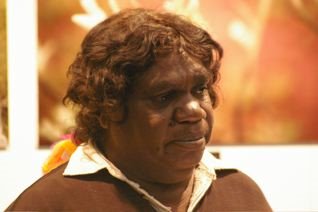 Dianne Stokes is one of the traditional owners opposing the dump. She says she has waited a long time to have her case heard in court.”While I was waiting we went around to all the big cities to protest, went to public meetings to let everyone know that we’re still going ahead on this court challenge,” she said.
“The Commonwealth and the Northern Land Council weren’t talking to the traditional owners and they weren’t consulted properly at the beginning.”………
Maurice Blackburn Social Justice Practice will represent the Traditional Owners opposing the facility, on a pro-bono basis. Lawyer Elizabeth O’Shea says the case is significant for a number of reasons.
“There’s also some provisions about misleading and deceptive conduct, which is traditionally consumer protection and we’re alleging that the Northern Land Council was engaged in that behaviour. “And it will test some provisions as well that the Commonwealth is relying on, so some technical legal stuff.
“But mostly I think it’s interesting because the Northern Land Council is never usually put under this level of scrutiny, and we’re ready to undertake that process and give traditional owners the opportunity to be heard.” She says that if the case is successful, she hopes the decision will give Traditional Owners more say over particular land use proposals…….. http://www.abc.net.au/news/2014-06-02/muckaty-nuclear-waste-federal-court/5492958
Uranium miners and others will have to deal with some very savvy Aboriginal landowners in the Kimberley
Protests, jailing pay off as elder finally sees native title granted VICTORIA LAURIE AND PAIGE TAYLOR THE AUSTRALIAN MAY 31, 2014 JOHN Watson stood on an Aboriginal picket line at Noonkanbah 36 years ago opposing the mining industry and earned himself a place in Australia’s land rights history. The respected Kimberley elder vividly remembers the drilling rigs advancing, the police convoy that held objectors back, and the moment when drilling began on sacred ground at the remote Fitzroy Crossing cattle station.
The dispute had gathered pace after the land rights of Aborigines in the Northern Territory had been recognised in parliament in 1976, a development Mr Watson and other Noonkanbah protesters highlighted as they tried to block company AMEX at Pea Hill.
Mr Watson and others were eventually carted off to jail in Fitzroy Crossing, an experience he describes as terrifying……..
This week, Mr Watson took centre stage in a new chapter in the Kimberley’s land rights history.
He watched as state Attorney-General Michael Mischin and Federal Court officials handed native title rights over about 26,000sq km of land to his Nyikina Mangala people.
Their land is a new frontier for exploration, mining and drilling. There are 96 pending and granted mineral titles and 20 pending and granted petroleum titles on it. Mr Watson said his people were willing to talk to miners and oil and gas companies but that did not mean the companies could have everything they wanted.
“The door is not open for mining, not open for mining but open to sit down and talk and get a good feeling,” he said. “We want to get a good outcome.”
Thursday’s determination means Western Australia has reached a landmark of one million square kilometres to have been recognised as Aboriginal land………..
Tasmania’s Upper House stalls the progress of Aboriginal land rights
Tasmanian Aboriginal land rights stalled on the road to reconciliation, ABC 936 Hobart 28 May 14 This week celebrates the process of reconciliation between Tasmania’s traditional owners of the land and the broader community. While significant land has been returned, and in a recent example purchased, the most recent efforts to transfer two significant sites via an amendment to the Aboriginal Lands Act has stalled with the change of state government earlier this year.
Since then, the process of returning land of special significance to the traditional owners has been a gradual one.
Currently 55,606 hectares of land has been returned to the Aboriginal community, comprising 16 separate areas.
Ten parcels of land were returned in 1995, and since then Parliament has twice approved the transfer of further lands, in 1999 and 2005.
In 2012, the former state government successfully moved to amend the Tasmanian Aboriginal Land Act(1995) to include the areas of Rebecca Creek, on Tasmania’s West Coast, andlarapuna*, on the East Coast.
The amendment to the legislation has since stalled in Tasmania’s upper house, the Legislative Council…………
Significance
The two sites earmarked for return are on opposite sides of the state.
Rebecca Creek, several kilometres inland from Temma on the West Coast, is the richest Aboriginal stone working area known in Tasmania.
It is a source of spongolite which was used for the production of stone tools, and archaeological evidence shows it was traded by Aboriginals further than any other raw material in Tasmania.
larapuna is located in Tasmania’s North East near Ansons Bay, and now houses the Eddystone Point Lighthouse and lighthouse keeper cottages.
The area was a rich hunting ground for fish, kangaroo and seals while the broader area contains middens, artefact sites and burial grounds.
While there is no part of Tasmania, apart from some outer lying islands, that Tasmanian Aboriginals did not regularly inhabit, the return of especially sensitive lands by successive governments is a recognition the cultural significance of land to the Aboriginal community, and an important step in the process of reconciliation.
The most recent land that has been acquired on behalf of the Tasmanian Aboriginal community was made possible through a combined purchase, rather than a transfer from the state.
Gowan Brae
Gowan Brae, a property of more than 6,000 hectares in the Central Highlands, was collaboratively purchased by Aboriginal groups, the Tasmanian Land Conservancy and the Australian Government.
It is the largest parcel of land acquired for Aboriginal people on mainland Tasmania, and contains quarry sites, evidence of long term habitation, and provides an opportunity for Tasmania’s Aboriginal community to reconnect with culturally and environmentally important land.
The Chairman of the Aboriginal Land Council of Tasmania Clyde Mansell described the purchase as a milestone for reconciliation in Tasmania.
The unique collaboration for the purchase means the Aboriginal Land Council of Tasmania is now the freehold owner of the land, the Tasmanian Aboriginal Centre is the reserve manager and the Tasmanian Land Conservancy will provide ongoing support and assistance to manage the property for its conservation values.
The long legislative road
While the Legislative Council Sessional Committee concluded its public hearings into the amendments late last year, a change in government has halted the process. The Liberal party in opposition supported the amendment’s passage back in 2012, but new legislation will have to be presented before the Legislative Council can again consider it.
Any change to the amendments could mean the process of consultation may have to be taken all over again, with still no guarantee that it will pass in the final vote in the upper house.
Premier Will Hodgman has reiterated his government’s support for the legislation that will complete the handing over of the two land returns………..http://www.abc.net.au/local/photos/2014/05/28/4014001.htm?site=hobart
Background to the Federal Court case on the proposed Muckaty radioactive wastes dump
Comment: Australia’s radioactive waste management on trial Australia has never had an independent examination of the best way to manage our nation’s radioactive waste. It’s time for that to change. By Dave Sweeney 28 MAY 2014 IT IS A LONG WAY FROM THE LORE OF THE WORLD’S OLDEST CONTINUING CULTURE TO THE LAW COURTS OF MELBOURNE BUT A STORY THAT STARTED YEARS AGO IN CENTRAL AUSTRALIA WILL SOON BE THE FOCUS OF A MONTH LONG FEDERAL COURT TRIAL SEEN BY MANY AS A TEST OF BOTH AUSTRALIA’S SOCIAL CONTRACT WITH ITS FIRST NATION PEOPLE’S AND COMMITMENT TO RESPONSIBLE ENVIRONMENTAL STEWARDSHIP.In May 2007 the Northern Land Council nominated an area of land on a pastoral station called Muckaty around 120 kilometres north of Tennant Creek in the Northern Territory as a site for a national radioactive waste dump.
The proposal was advanced through a commercial in confidence agreement between the NLC, an Aboriginal clan group and the then Howard government that saw the group “volunteer” an area of the shared Muckaty Land Trust for the burial and above ground storage of radioactive waste in return for federal payments, promises and a “package of benefits” worth around $12 million.
The dump plans lack of transparency, inclusion and scientific or procedural rigour left the majority of Aboriginal land-owners without any awareness of or ability to input into the process or the plan.
Like all things nuclear, this is an issue with shelf life and now after years of sustained community opposition a Federal Court trial is set to explore the unresolved issues of ownership, consultation and consent at hearings in Melbourne, Tennant Creek and Darwin throughout June.
Critics maintain that the dump plan fails two fundamental tests: it has explicitly excluded and marginalised Aboriginal landowners from decision making processes and power and it is based on an approach to radioactive waste management that is increasing at odds with international industry best practise and sound thinking.
The Federal Court’s focus will be the question of consent and control, and these concerns are of pivotal importance. Shared title for the Muckaty lands was only formally granted to Aboriginal people fifteen years ago and now many are saddened and angry that access to this area could be lost for centuries to come through a secretive process and without their knowledge or consent. Further, it is unreasonable and unconscionable for any government to play the politics of carrot and stick with some of the nation’s poorest people in order to find a remote place to dump some of the nation’s nastiest industrial waste.
The need to responsibly manage the serious and long term environmental and human risks posed from any industrial waste is a clear test of a mature society. When that risk involves the unique properties of radioactive waste then the need is magnified and multiplied.
Radioactive waste is a serious environmental management challenge. The material is often hot, always hazardous and extremely long-lived. Current problems at waste facilities in the US and elsewhere highlight the complexity of the issue and no nation on earth currently has a safe, final disposal facility for high level radioactive waste. This issue demands and deserves genuine attention but for too long been mismanaged by successive politicians seeking a short term ‘fix’ to a long term threat……. http://www.sbs.com.au/news/article/2014/05/28/comment-australia-s-radioactive-waste-management-trial
Tony Abbott’s blatant lie to the Aboriginal people on land rights
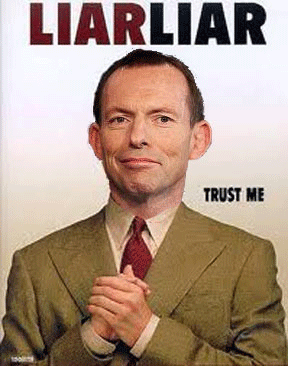 PM Abbott’s top 40 broken promises and blatant hypocrisies — so far, Independent Australia Alan Austin 24 May 2014, Alan Austin updates IA’s running tally of hypocrisies and broken promises by Australia’s most mendacious ever prime minister — Tony Abbott…….
35. Aboriginal land rights
At the Garma festival in north-east Arnhem Land last August Abbott promised to
“… do whatever I humanly can in government to bring this [improved land rights for Aboriginal people] about.”
As funding for research and for legal aid for land claims across Australia is critical, all Aboriginal land claimants were looking expectantly at the May budget.
They got nothing..….http://www.independentaustralia.net/politics/politics-display/pm-abbotts-top-40-broken-promises-and-blatant-hypocrisies–so-far,6512#.U4Umyx0K8pE.twitter …@IndependentAus
Tennant Creek taken over by anti nuclear, anti -waste-dump protest, led by Aboriginal elders
Elders lead dump demo http://www.ntnews.com.au/news/northern-territory/elders-lead-dump-demo/story-fnk0b1zt-1226932228540 BY MONIKA O’HANLON NT NEWS MAY 26, 2014 THE main street of a Territory town was flooded with more than 250 people protesting the proposed nuclear waste dump at Muckaty Station yesterday. Tennant Creek was overrun by a sea of yellow signs reading “Don’t radioactive waste the Territory” as kids led the march, holding up homemade banners and chanting “land rights not dump sites”.
Seven years ago the Northern Land Council nominated Muckaty Station as a potential site for a nuclear waste storage facility, including waste from nuclear medicine and operations of the Lucas Heights nuclear reactor in Sydney.
The site is part of a land trust shared by five interrelated indigenous groups – Milway, Ngapa, Ngarrka, Wirntiku and Yapayapa. Most traditional owners oppose the plan but some said “yes” to the proposed storage facility.
Bunny Nabarula – a senior traditional elder and part of the Milway group – is among those who have spent years fighting to preserve Muckaty.
“I was eight years of age when my grandfather first showed me country, but I never forget,” Ms Nabarula said.
“We don’t want the waste here. NLC picked out the wrong people. Us mob fight for this land.”
Dianne Stokes has worked tirelessly over the years to protect the Muckaty site, and on Saturday was named an ambassador at the Tennant Creek and Barkly Region Golden Hearts Awards.
“We won’t be stopping – we will continue to talk about it,” Ms Stokes said. “It’s time to put my foot down and protect the elders’ words. They’ve passed away and now they left it to us to protect our country.”
Wirntiku woman Penelope Phillips said she was concerned what would happen if the land wasn’t protected for the next generations. “We want to send a clear message out to the politicians and the people who said yes to it,” she said. “Tell them that we are still strong and we don’t want a nuclear waste dump in our country. Come back and meet the people. See what it looks like. “The politicians don’t talk to us. They don’t reply.”
The protest comes a week before a Federal Court hearing challenging the proposal for the dump on Muckaty begins in Melbourne. The hearing will continue in Tennant Creek before finishing in Darwin on July 4.
Australia needs to learn from traditional Aboriginal knowledge about fire
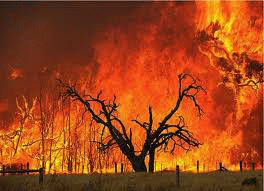 Living sustainably with fire, Aboriginal Knowing 26 May 14,
Where to burn, where to grow”………..I would suggest that the planning of Adelaide, surrounded by parklands with open spaces is based on this Aboriginal model of clearing land to create clear space around where you live. Australians need to think in this manner to protect ourselves from intense and destructive bushfires. We need to clear the trees around where we live, and we need to grow trees and plants in the right places.
Decisions of when and where to burn are informed by many environmental and social considerations, and vary with country. Our sophisticated patterns of land burning, the knowledge of what and where to burn is encoded within traditional knowledge. Such rules tell of wind directions, cloud formations, smoke patterns, soil condition, the position and movement of constellations and planets, the type of plants and stage of growth, the presence or absence of particular plant and animal species and so on.
Fire and water are interconnected. Water is a fuel for fire and fire fuels the rain. After a large fire, it usually rains.
Burning and planting in the right place can increase rainfall. (excellent references) http://aboriginalknowing.com/2014/05/22/living-sustainably-with-fire/
Sophisticated Farmers and Land Managers – Australian Aborigines across the continent
“Most other civilisations had various levels of dissent from time to time but here it seems there was a consensus on how to manage the land and the people.”
Mr Pascoe says he has received many calls from Aboriginal people recalling cultivation activities and stories. He expects further research will substantiate his claims.
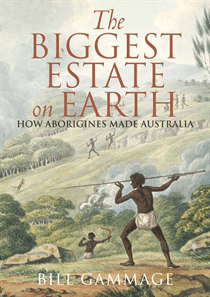
Australian Aborigines Were Sophisticated Farmers and Land Managers ‘Hunter and gatherer’ label is a misnomer, say academics By Shar Adams, Epoch Times | May 21, 2014 SYDNEY–Australian Aborigines, among the oldest continual inhabitants of their land in the world, have long been depicted as hunters and gatherers. Mounting evidence, however, suggests they were not primitives but sophisticated cultivators and land managers.
Researcher and author Bruce Pascoe, a Bunurong man from south eastern Australia, searched the accounts of early explorers and settlers for evidence of cultivation and was astounded at what he found.
“I came across repeated references to people building dams and wells, planting, irrigating and harvesting seed, and manipulating the landscape,” he said.
One of the most vivid accounts was from explorer Charles Sturt, who was the first European to penetrate the interior and see the Simpson Desert. Continue reading
1 This month.
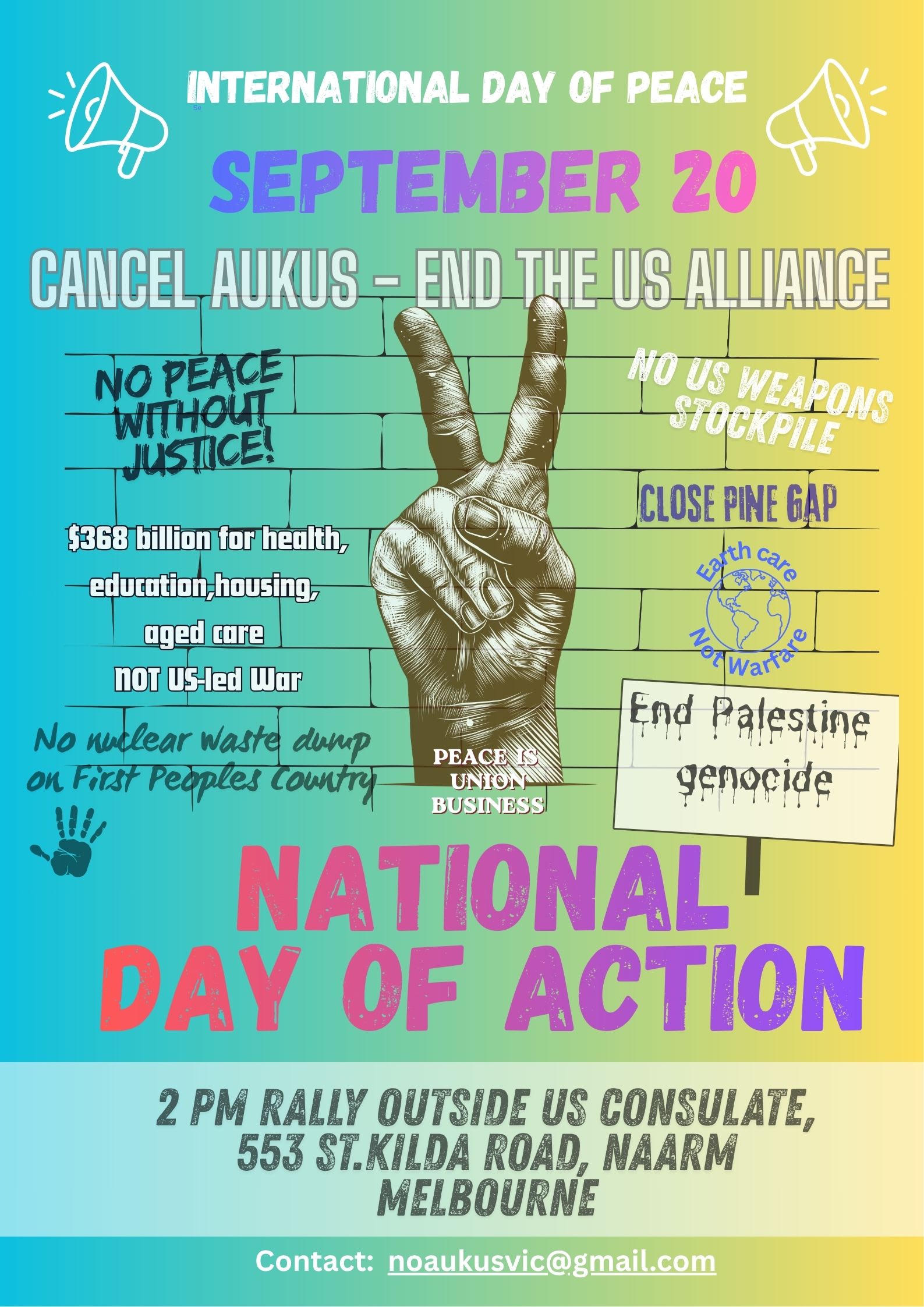
20 September –National Day of Action in Melbourne on the International Day of Peace

Help Aunty Sue Protect Her Land and Sacred Sites From Destructive Rocket Testing.
.

Australians deserve the truth
about
AUKUS – https://aukuspublicinquiry.com/
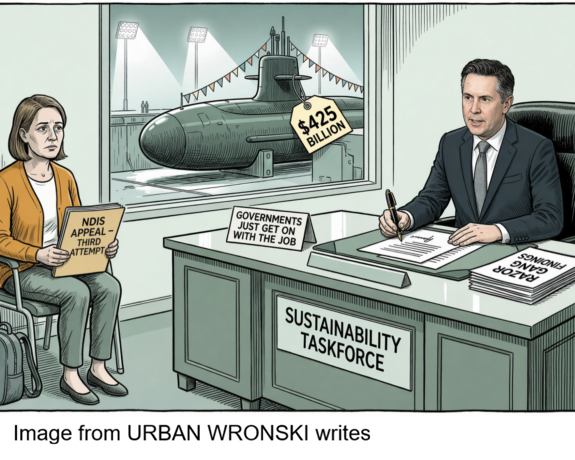

PETITION – To: Prime Minister Anthony Albanese and the Australian Labor Government

of the week – Australians for War Powers Reform (AWPR)
To see nuclear-related stories in greater depth and intensity
 Antinuclear
