Radioactive waste contaminating shellfish on West coast of Scotland
 Scottish shellfish are contaminated by radioactive waste from Sellafield, Herald Scotland 20 Dec 15 Radioactive waste from the Sellafield nuclear plant in Cumbria is contaminating shellfish hundreds of kilometres away on the west coast of Scotland, according to a new scientific study.
Scottish researchers discovered traces of radioactive carbon discharged from Sellafield in the shells of mussels, cockles and winkles as far north as Port Appin in Argyll, 160 miles from the notorious nuclear plant.
The findings are a “wake-up call” for anyone who thinks pollution from Sellafield is yesterday’s problem, say campaigners. Sellafield, however, stresses that the contamination is well below safety limits.
The scientists found raised levels of radioactive carbon-14 in shellfish sampled at Port Appin, at Maidens in South Ayrshire and at Garlieston and Kippford on the Solway coast of Dumfries and Galloway. Mussels were most contaminated “due to the surface environment they inhabit and their feeding behaviour,” they said.
The contamination comes from Sellafield, which has poured huge amounts of radioactivity into the sea, researchers concluded. The plant, which reprocesses spent fuel from nuclear power plants in Scotland and across the UK, has discharged an average of more than eight million megabecquerels (measure of radioactivity) of carbon-14 a year from its pipelines between 1994 and 2013.
The levels peaked in 2003 but have remained “relatively high”, the scientists pointed out. Carbon-14 persists for tens of thousands of years in the environment and the amounts emitted from Sellafield make up the largest contribution to the long-term collective radiation dose across Europe from the entire nuclear industry.
“This is the first study to have shown that radiocarbon is accumulating in areas remote from Sellafield like Port Appin,” the lead researcher, Kieran Tierney, told the Sunday Herald.
Dr Ian Fairlie, an independent radiation consultant, described some of the carbon-14 contamination as “surprisingly high”. At Garlieston near Dumfries concentrations in mussels were almost three times the normal background level, while at Port Appin, north of Oban, they were 20 per cent higher…….
Pete Roche, an energy consultant and editor of ‘no2 nuclear power’ website, said: “This is a wake up call for anyone in Scotland who thinks contamination from Sellafield is yesterday’s problem.”
He pointed out that waste fuel from nuclear plants at Torness in East Lothian, Hunterston in North Ayrshire and Dounreay in Caithness will continue to be reprocessed at Sellafield until at least 2018. “Radioactive discharges will continue to flow back in the other direction long after that,” he argued……..http://www.heraldscotland.com/news/14157272.Scottish_shellfish_are_contaminated_by_radioactive_waste_from_Sellafield/
1 Comment »
Leave a reply to CaptD Cancel reply
1 This month.
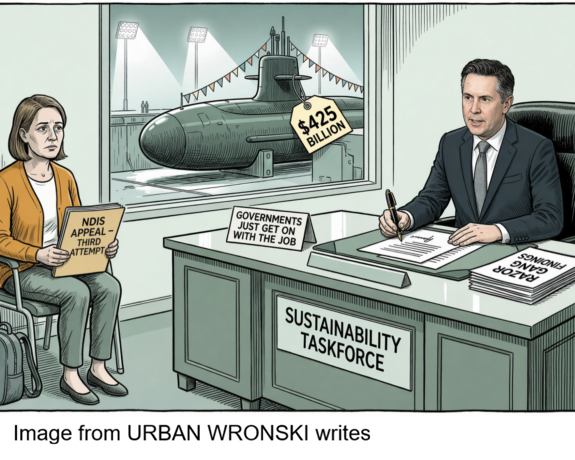

PETITION – To: Prime Minister Anthony Albanese and the Australian Labor Government
Chernobyl: The Lost Tapes – A good documentary on Chernobyl on SBS available On Demand for the next 3 weeks– https://www.sbs.com.au/ondemand/tv-program/chernobyl-the-lost-tapes/235274195556
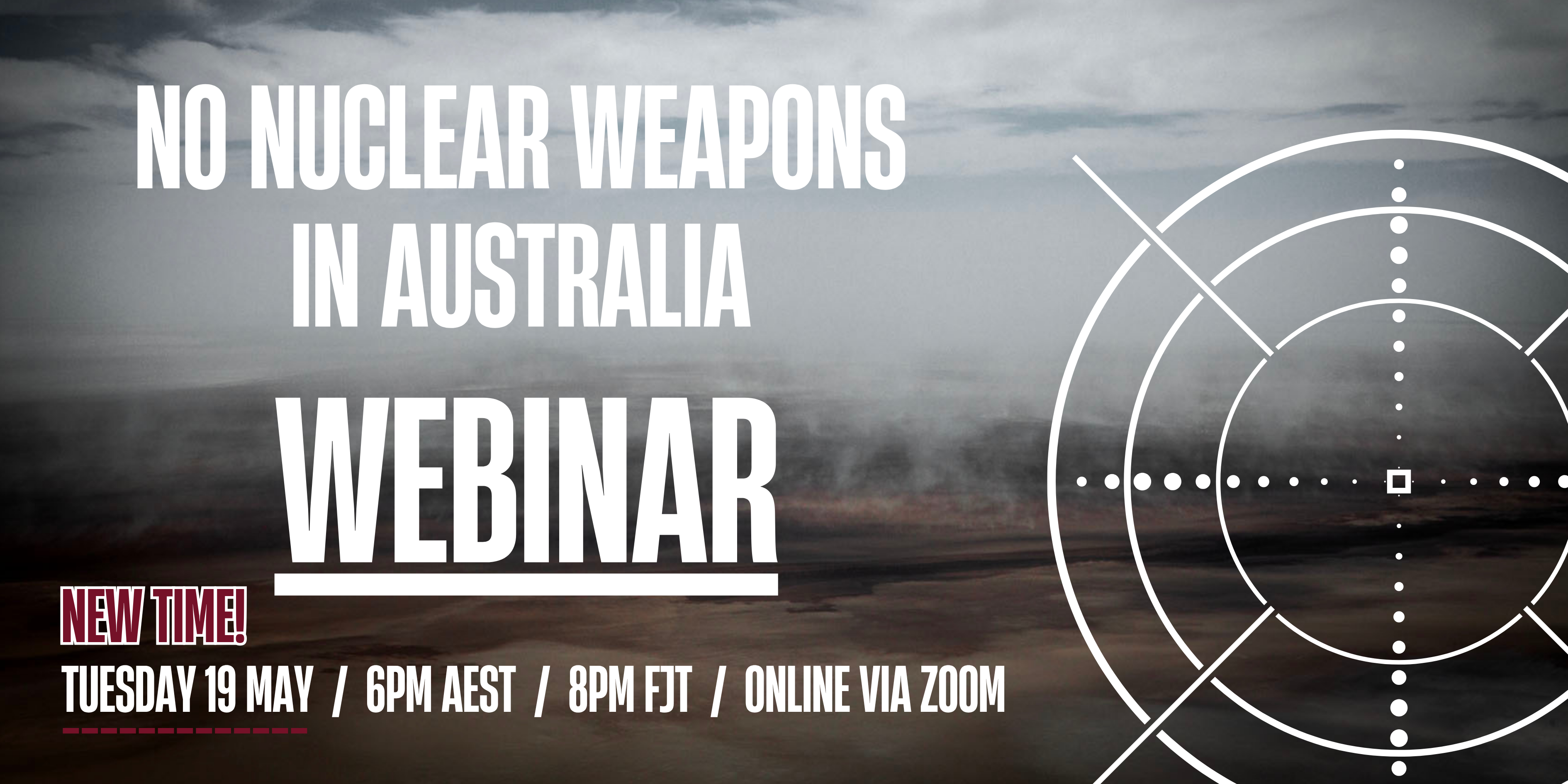
19 May – Webinar- Webinar: No Nuclear Weapons in Australia
Start: 2026-05-19 18:00:00 UTC Canberra, Melbourne, Sydney (GMT+10:00)
End: 2026-05-19 19:30:00 UTC Canberra, Melbourne, Sydney (GMT+10:00)
20 May – Webinar – The dangerous world of AUKUS, US, military occupation and suppression of dissent

National Webinar, 20th May, 2026, 6.30pm AEST. Confronting laws restricting/suppressing protest speech and action
Speakers: Former Sen. Rex Patrick, Lawyer Nick Hanna ,Arthur Rorris ,Jorgen Doyle, Sen David Shoebbridge,
Facilitator Kelley Tranter.

of the week – Australians for War Powers Reform (AWPR)
To see nuclear-related stories in greater depth and intensity
 Antinuclear
I’ve said since early on that “The Fuky Effect”: The on-again, off-again fissioning of the ☢ corium(s), as they interact with water below Fukushima, would have many negative effects on the Pacific Ocean. The above article points to the other long term effects of what happens when ☢ is allowed to pollute our Oceans.
LikeLike