Don’t let’s forget – Climate Change is an even greater catastrophe than Coronavirus
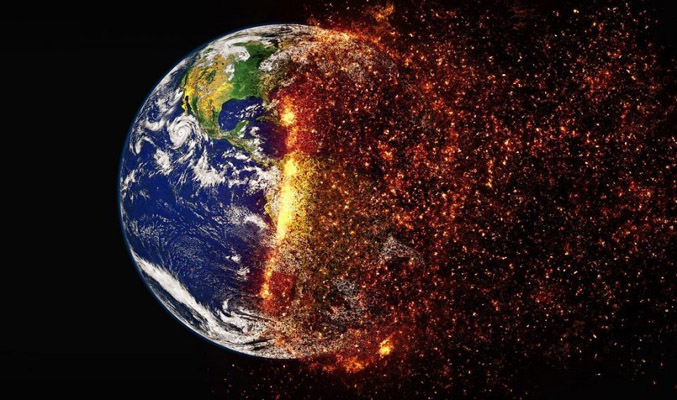
While we fixate on coronavirus, Earth is hurtling towards a catastrophe worse than the dinosaur extinction, The Conversation, Andrew Glikson
Earth and paleo-climate scientist, 3 Apr 20, At several points in the history of our planet, increasing amounts of carbon dioxide in the atmosphere have caused extreme global warming, prompting the majority of species on Earth to die out.
In the past, these events were triggered by a huge volcanic eruption or asteroid impact. Now, Earth is heading for another mass extinction – and human activity is to blame.
I am an Earth and Paleo-climate scientist and have researched the relationships between asteroid impacts, volcanism, climate changes and mass extinctions of species.
My research suggests the current growth rate of carbon dioxide emissions is faster than those which triggered two previous mass extinctions, including the event that wiped out the dinosaurs.
The world’s gaze may be focused on COVID-19 right now. But the risks to nature from human-made global warming – and the imperative to act – remain clear………
My research suggests the current growth rate of carbon dioxide emissions is faster than those which triggered two previous mass extinctions, including the event that wiped out the dinosaurs.
The world’s gaze may be focused on COVID-19 right now. But the risks to nature from human-made global warming – and the imperative to act – remain clear……
The next mass extinction has begun
Current atmospheric concentrations of carbon dioxide are not yet at the levels seen 55 million and 65 million years ago. But the massive influx of carbon dioxide means the climate is changing faster than many plant and animal species can adapt.
A major United Nations report released last year warned around one million animal and plant species were threatened with extinction. Climate change was listed as one of five key drivers.
The report said the distributions of 47% of land-based flightless mammals, and almost 25% of threatened birds, may already have been negatively affected by climate change.
Many researchers fear the climate system is approaching a tipping point – a threshold beyond which rapid and irreversible changes will occur. This will create a cascade of devastating effects.
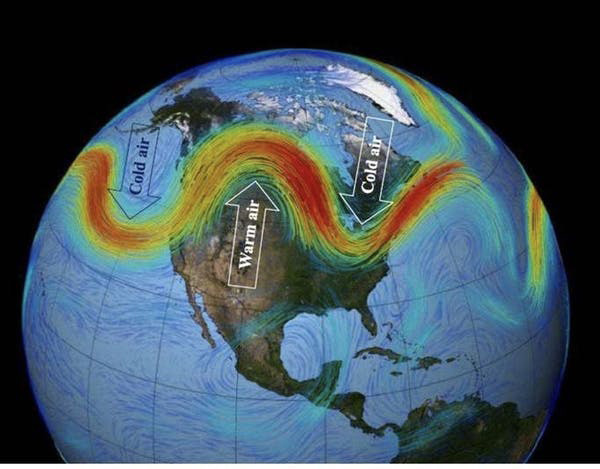
There are already signs tipping points have been reached. For example, rising Arctic temperatures have led to major ice melt, and weakened the Arctic jet stream – a powerful band of westerly winds.
While we fixate on coronavirus, Earth is hurtling towards a catastrophe worse than the dinosaur extinction, The Conversation, Andrew Glikson
Earth and paleo-climate scientist, 3 Apr 20, At several points in the history of our planet, increasing amounts of carbon dioxide in the atmosphere have caused extreme global warming, prompting the majority of species on Earth to die out.
In the past, these events were triggered by a huge volcanic eruption or asteroid impact. Now, Earth is heading for another mass extinction – and human activity is to blame.
I am an Earth and Paleo-climate scientist and have researched the relationships between asteroid impacts, volcanism, climate changes and mass extinctions of species.
My research suggests the current growth rate of carbon dioxide emissions is faster than those which triggered two previous mass extinctions, including the event that wiped out the dinosaurs.
The world’s gaze may be focused on COVID-19 right now. But the risks to nature from human-made global warming – and the imperative to act – remain clear………
My research suggests the current growth rate of carbon dioxide emissions is faster than those which triggered two previous mass extinctions, including the event that wiped out the dinosaurs.
The world’s gaze may be focused on COVID-19 right now. But the risks to nature from human-made global warming – and the imperative to act – remain clear……
The next mass extinction has begun
Current atmospheric concentrations of carbon dioxide are not yet at the levels seen 55 million and 65 million years ago. But the massive influx of carbon dioxide means the climate is changing faster than many plant and animal species can adapt.
A major United Nations report released last year warned around one million animal and plant species were threatened with extinction. Climate change was listed as one of five key drivers.
The report said the distributions of 47% of land-based flightless mammals, and almost 25% of threatened birds, may already have been negatively affected by climate change.
Many researchers fear the climate system is approaching a tipping point – a threshold beyond which rapid and irreversible changes will occur. This will create a cascade of devastating effects.
There are already signs tipping points have been reached. For example, rising Arctic temperatures have led to major ice melt, and weakened the Arctic jet stream – a powerful band of westerly winds.
No comments yet.
1 This month
25 October – Film –Britain’s Nuclear Bomb Scandal: Our Story – part of the Adelaide Film Festival,
Screening and Conversation
A screening of Britain’s Nuclear Bomb Scandal: Our Story (2024) followed by a talk with 2026 Bettison and James Awardee and Tradtional Owner Karina Lester in conversation with Simone Tur.
When: Sun 25 Oct, 12:00pm-Screening, 1:15pm-Talk
Where: The Mercury
Free admission, register below by clicking on BUY TICKETS and select free event tickets, at end of web page:
https://www.adelaidefilmfestival.org/program/2026/britains-nuclear-bomb-scandal-our-story
.

Australians deserve the truth
about
AUKUS – https://aukuspublicinquiry.com/

PETITION – To: Prime Minister Anthony Albanese and the Australian Labor Government

of the week – Australians for War Powers Reform (AWPR)
To see nuclear-related stories in greater depth and intensity


Leave a Reply