Australian uranium to supercharge Indian nuclear power surge in breakthrough deal
Matthew Knott, July 8, 2026
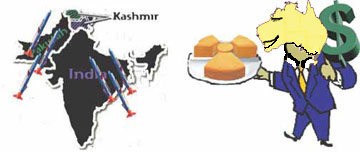
Prime Minister Anthony Albanese and Indian counterpart Narendra Modi are set to strike a breakthrough deal to unleash a surge of Australian uranium exports to India, ending more than a decade of delays since the nations signed a historic nuclear co-operation pact.
Modi, one of the world’s most powerful leaders, was scheduled to arrive in Melbourne on Wednesday night for meetings with Albanese on Thursday and what is set to be a raucous rally at Marvel Stadium where Modi will be cheered by 30,000 members of the Indian-Australian community.
Sources familiar with the planning of the visit said the leaders were expected to sign a long-awaited commercial uranium supply agreement, as flagged by this masthead in June, alongside pacts on critical minerals and defence co-operation.
Albanese told reporters on Wednesday he would have more to say about uranium exports to India in the coming days, as he flagged that he and Modi would make “a range of announcements” during the visit.
Australia and India signed a nuclear co-operation pact in 2014 which was controversial at the time, including within the Labor Party, because India has not signed the nuclear non-proliferation treaty.
Modi wants Australia’s uranium to power India’s data centre boom
There have been only negligible uranium shipments over the past 12 years due to technical and regulatory barriers in India.
Changes to Indian safeguards have now paved the way for significant quantities of uranium to be exported for peaceful purposes.
India is planning a massive increase in nuclear power capacity to help reduce its reliance on fossil fuels and power the boom in data centres linked to artificial intelligence.
Major tech companies such as Google, Meta and Amazon are pumping billions of dollars into data centres in India, the world’s most populous nation with 1.47 billion people.
India has set an ambitious target to have 100GW of nuclear power capacity by 2047, 10 times greater than current levels.
The state-owned Nuclear Power Corporation Of India has said the country planned to add 18 more nuclear reactors to its energy mix by 2032.
Sources in the resources sector, who were not authorised to speak publicly, said Australian uranium companies were eager to seize opportunities to export to India and were willing to expand their operations if necessary.
Australia has the world’s largest uranium reserves – almost a third of the global total – according to the World Nuclear Association, but is only the world’s fourth-largest producer.
Uranium mining is banned in NSW, Queensland and Western Australia.
Indian External Affairs Minister Subrahmanyam Jaishankar said during a meeting with Foreign Minister Penny Wong in May: “On the energy side, we have energy trade, we are looking to expand that as well into the uranium supplies.
“Our own nuclear sector has undergone reform, which will grow nuclear energy.”
Albanese described Modi as “the boss” during a stadium rally in Sydney during his last visit in 2023, prompting concerns from human rights advocates that he had not spoken out about discrimination towards minorities and democratic backsliding in India under Modi’s watch.
Pranav Aggarwal, from the Australia-India Foundation, said members of the Indian diaspora were travelling from Perth, Darwin, Auckland and Tasmania to attend the stadium rally in Melbourne.
Albanese will also speak at the event.
1 This month.
20 September –National Day of Action in Melbourne on the International Day of Peace


Help Aunty Sue Protect Her Land and Sacred Sites From Destructive Rocket Testing.
.

Australians deserve the truth
about
AUKUS – https://aukuspublicinquiry.com/

PETITION – To: Prime Minister Anthony Albanese and the Australian Labor Government

of the week – Australians for War Powers Reform (AWPR)
To see nuclear-related stories in greater depth and intensity
 Antinuclear