End US Military Basing in Australia
4 November 2026AIMN Editorial, By Denis Hay
Australia should end US military basing and operational access on its soil. It should close joint military and intelligence facilities to US operations, remove American military stores and rotational deployments, and develop a defence force able to protect Australia under independent Australian direction.
That is the editorial position advanced here. It rests on a serious concern: facilities that support American military operations can expose Australians to the consequences of wars our country might otherwise avoid.
The United States does not have to threaten Australia directly for its presence here to create danger. The central question is whether Australians should accept that exposure as the continuing price of the alliance or undertake a planned withdrawal and build a more independent defence policy.
Quick Answer
Australia should negotiate an end to US military basing, joint operational facilities and standing military access, while building the capabilities needed for independent national defence. Hosting American combat support can create exposure to retaliation and make staying out of a US war harder. Governments argue that the alliance provides deterrence, intelligence and advanced technology; withdrawal would require managing the loss or reduction of those benefits. The strongest case for ending the presence combines a clear policy decision with lawful treaty processes, practical replacement of essential capabilities, worker support and environmental responsibility. It does not require claiming that war is inevitable.
What ending US military basing in Australia means
The policy must cover what foreign forces can do here, wherever those activities occur.
The Department of Defence’s force posture overview describes northern base upgrades, expanding cooperation, and plans for prepositioned fuel, munitions and equipment. Prepositioning places supplies where a force may need them before a crisis begins.
Ending this presence would mean withdrawing permission for continuing American deployments and military operations. At jointly operated facilities, including Pine Gap, it would mean ending US military and intelligence operations. At Australian bases, it would mean ending US operational access while retaining facilities Australia needs for its own defence.
Changing the sign on a gate would achieve little if the same foreign military functions continued. A withdrawal policy should address personnel, contractors performing military functions, equipment, communications and operational arrangements.
The government’s description of sovereignty arrangements distinguishes rotational access and joint facilities from foreign bases. Those distinctions matter legally. The proposed policy would end the operational presence across those categories, rather than depend on a particular label.
Australia could retain civilian scientific exchanges, trade and diplomatic relations. Decisions about short humanitarian visits would remain separate from granting a foreign military an enduring operating presence.
How the US presence can expose Australians to war
A military campaign relies on support systems. Aircraft need fuel and repairs. Ships need maintenance and supplies. Commanders need communications and intelligence.
Consider a hypothetical US–China war. Canberra declines to deploy Australian combat forces, but facilities here continue supporting American operations. An opponent could consider disabling those facilities useful to its campaign.
The danger arises from their military contribution. It does not depend solely on whether Australia has announced that it is joining the war.
The International Committee of the Red Cross explains that a military objective must contribute effectively to military action and offer a definite military advantage if destroyed or neutralised. Civilian protection, proportionality and precautions remain legal requirements. A military role does not give another country a general legal entitlement to attack Australia or surrounding communities.
Whether an attack would occur depends on the particular conflict, military decisions and risks of escalation. Ending US access would remove one pathway of exposure; it would not eliminate every threat to Australia.
For communities near military facilities, the consequences could extend well beyond the installation itself. Emergency planning must consider possible disruption to transport, communications, health services and essential supplies. Residents deserve a voice in decisions that could increase those risks.
Expansion makes the choice more urgent……………………………………………………………………………………………………………………………………………………………………………..https://theaimn.net/end-us-military-basing-in-australia/
No comments yet.
1 This month
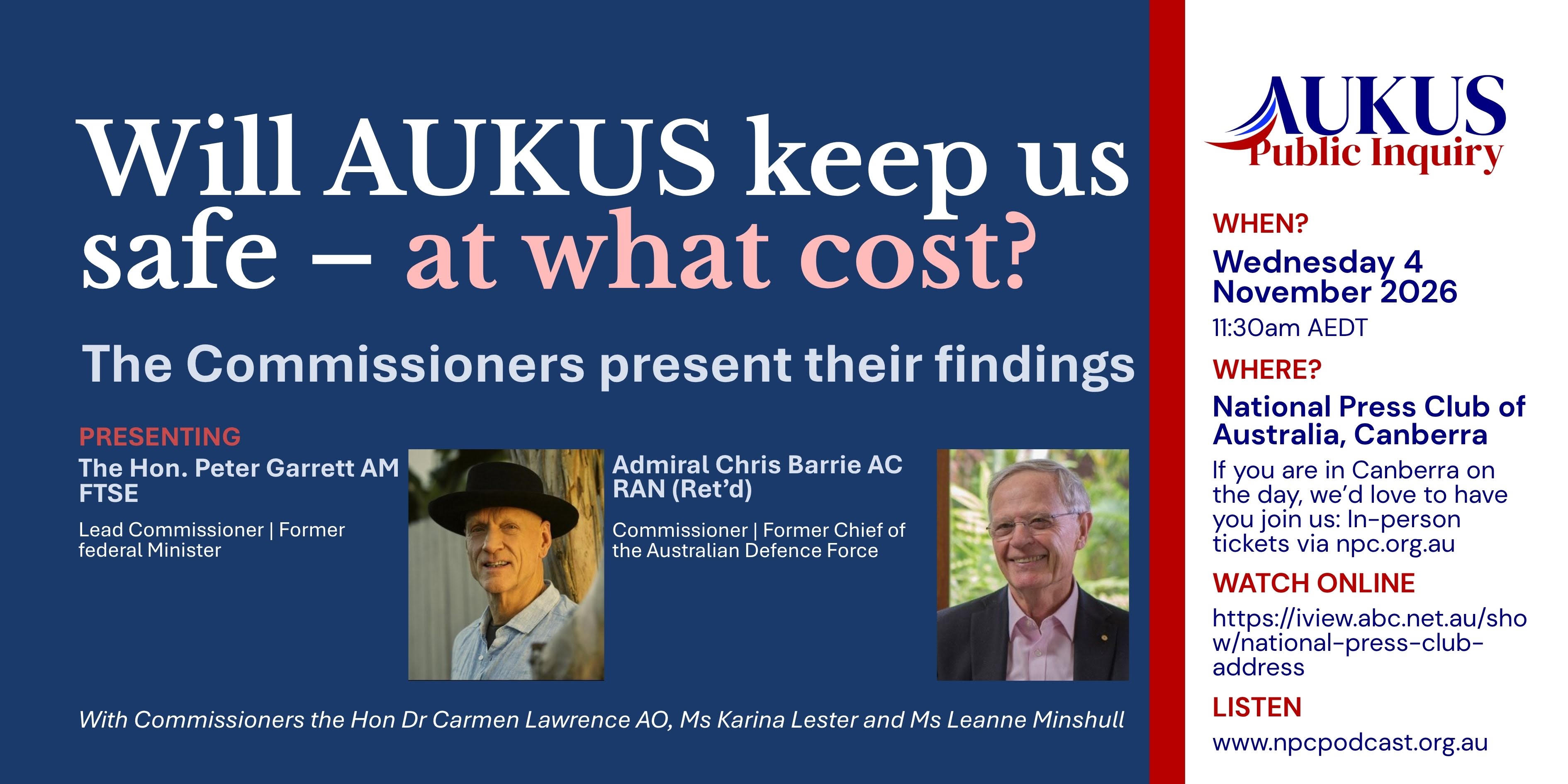
4 November – Will AUKUS keep us safe – at what cost?
the Commissioners of the AUKUS Public Inquiry present their findings at the National Press Club of Australia in Canberra. iview.abc.net.au/show/national-press-club-address
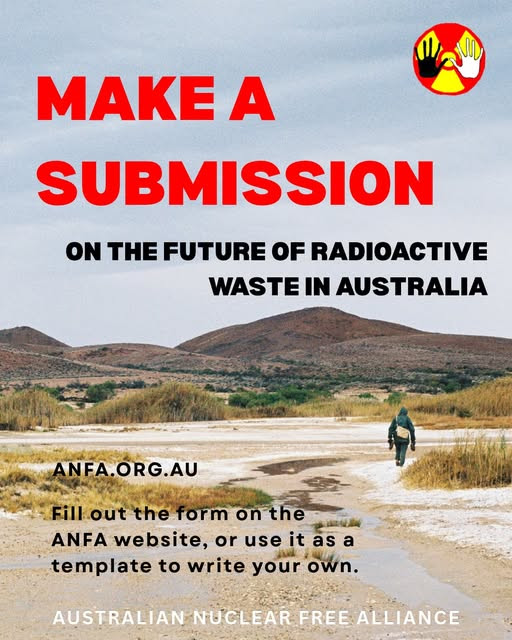
Submissions to the federal government’s new draft framework close on the 13th November 2026.
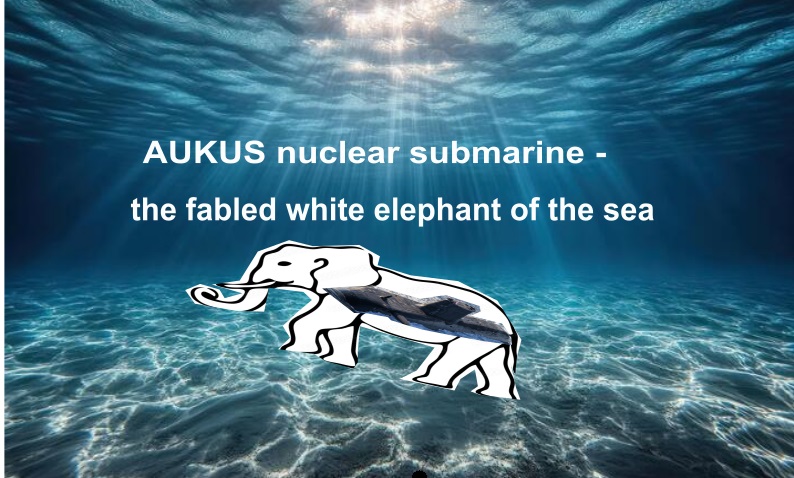
Australians deserve the truth
about
AUKUS – https://aukuspublicinquiry.com/

PETITION – To: Prime Minister Anthony Albanese and the Australian Labor Government

of the week – Australians for War Powers Reform (AWPR)
To see nuclear-related stories in greater depth and intensity


Leave a Reply