In Australia, women and the young about climate changeare most concerned
 Climate change survey shows Australians want action on emissions, but are divided on nuclear, ABC 10 Sep 19 The majority of Australians blame increasing energy costs on “excessive profit margins” of energy companies, and 64 per cent think we should be aiming for net-zero emissions by 2050.
But we’re still divided on how to get there, with solar energy topping the list of preferred energy sources and nuclear power continuing to polarise opinion.
These are some of the findings from The Australia Institute’s annual Climate of the Nation report, which shows Australians are becoming increasingly unhappy over a range of climate and energy issues.
Of the 1,960 people surveyed, general concern about climate change was highest among 18 to 34-year-olds, with more than 81 per cent of respondents saying climate change worried them, compared to 67 per cent of those aged 55 and over.
The overall acceptance by Australians that climate change is happening is on par with 2016 — the equal highest rate since the surveys began in 2007.
However, attitudes to climate change are divided along gender lines, with women more likely than men to think climate change is happening. Nearly 80 per cent of women said they are either “very concerned” or “fairly concerned” about climate change, versus 70 per cent of men. Continue reading
Extreme heat a killer for Australians
 Extreme heat a far greater threat for most Australians than extreme cold weather, study finds, SMH, By Peter Hannam, September 10, 2019, Extreme heat is a far greater threat for most Australians than extreme cold weather, with the risks falling largely on the elderly.
Research published on Tuesday in the Climatic Change journal examined the deaths of 1.717 million Australians between 2006-2017. It found about 2 per cent were attributable to heat, while “close to zero” were caused by cold days, said Thomas Longden, a senior researcher at the University of Technology, Sydney, and author of the paper…….
In regions with hot, humid summers – such as Townsville, Cairns and Darwin – as many as 9 per cent of deaths were related to heat.
Scientists expect climate change will create longer, more intense and more frequent heatwaves for much of Australia, a trend that would exacerbate the risks of heat-related deaths.
“In the future we’re going to get some very extreme events that really may start pushing people, who have not had an issue in the past, over a threshold,” Dr Longden said. “Hospitalisation, ambulance call outs and deaths can occur after that.”
The elderly, in particular, will face more pressure on their health as temperatures rise, Dr Longden said.
Separately, the Australia Institute on Tuesday released its Climate Of The Nation report, which has tracked attitudes to climate change since 2007.
The survey of 1960 Australians aged 18 years and older by YouGov Galaxy was taken between July 25 and August 1. It found 77 per cent of respondents agreed the climate was changing, matching the highest level recorded in 2016. Some 81 per cent said there were concerned the shift would result in more droughts and floods, up from 78 per cent in 2018.
Other findings included 78 per cent of respondents saying they were worried climate change would lead to water shortages in Australian cities, up 11 percentage points in two years. More than two-thirds backed “an orderly phase-out of coal” and a similar ratio supported Australia reaching net-zero emissions by 2050.
“Australians are rightly concerned about more extreme heat waves, droughts and bushfires, and they want the Morrison government to show leadership on climate change and do more to prepare for the impacts that are already locked in,” said Zali Steggall, the independent MP for Warringah, who launched the report. https://www.smh.com.au/environment/climate-change/extreme-heat-a-far-greater-threat-for-most-australians-than-extreme-cold-weather-study-finds-20190909-p52ph1.html
Climate change deniers favour nuclear power!
 It doesn’t make sense – seeing that the nuclear lobby is desperately pushing the idea that nuclear is needed to solve climate change
About 30 per cent of Australians “not at all concerned” by climate change favoured nuclear power, compared to five per cent of those who were “very concerned” by it.
Nuclear divisions across Australia: report https://www.macleayargus.com.au/story/6376142/nuclear-divisions-across-australia-report/, Rebecca Gredley, 10 Sept 19,
Australians unconcerned by climate change are most supportive of nuclear energy, a new report suggests. Continue reading
Australia sells weapons to Saudi-led coalition, is complicit in human rights abuses
Australia’s arms deals ignoring ‘gross violations of human rights’, ex-defence official says https://www.theguardian.com/australia-news/2019/sep/08/australias-arms-deals-ignoring-gross-violations-of-human-rights-ex-defence-official-says?utm_term=Autofeed&CMP=soc_568&utm_medium=Social&utm_source=Twitter#Echobox=1567888161
Defence department says it provides export permits only if satisfied that the weapons will not be used in breach of international law Ben Doherty, 8 Sept 19, A former secretary of the Australian defence department says the country cannot justify selling weapons to militaries involved in the five-year war in Yemen, which now stand “accused of gross violations of human rights and likely war crimes by the UN”.
And the Australian co-author of the just-released United Nations report into human rights atrocities in Yemen has said governments that sell weapons to belligerent countries are responsible for prolonging the conflict and contributing to immense humanitarian suffering.
The report found that the conflict had been plagued by human rights abuses, including hospitals being bombed, civilians being deliberately targeted by shelling and sniper fire, civilian populations being deliberately starved, medical supplies being blocked, rape, murder, enforced disappearances, torture, and children being forced to fight.
Australia is one of several countries that sell weapons to those that are part of the Saudi-led Coalition in conflict with the Iran-backed Houthi rebels in Yemen. The Australian government says it imposes strict controls on exports to ensure they are not used in the Yemeni conflict.
But the former secretary of the department of defence Paul Barratt told Guardian Australia that regardless of whether Australian-made weapons were crossing the border into Yemen, “the fact remains that Australia now has a national policy which seeks and facilitates weapons sales with countries that stand accused of gross violations of human rights and likely war crimes”.
“When did this particular trade in arms become official Australian policy? Even if we are successfully legally tiptoeing around the Arms Trade Treaty, such deals surely cannot be acceptable on moral or ethical grounds,” Barratt said. “As a country that routinely asks other countries to abide by the rules-based international order, it would seem hypocritical, at best, that Australia is now willing to … make a profit from, weapons sales to nations that are openly flouting this international order.”
The report said hospitals had been bombed, civilians attacked and starvation used as a tactic of war, and alleged that there had been a “collective failure” from the international community to intervene in the five-year war to reduce the suffering of civilians; rather, support from international actors had prolonged the conflict. The public report detailed a list of the key military, political participants in the conflict. A confidential list of those most likely to be complicit in war crimes has been sent to the UN.
Parke said Yemeni civilians had “borne the brunt” of a brutal conflict that was being exacerbated by international indifference, and material support from some governments.
Climate change now brings Queensland into a new era of bushfires
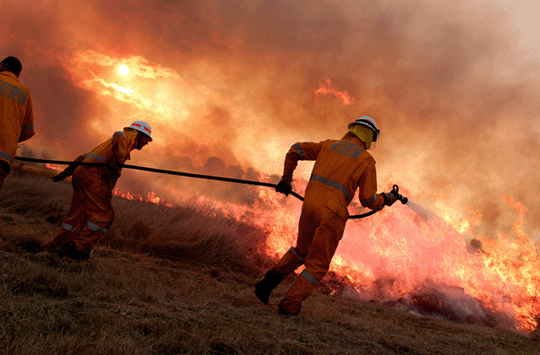
‘This is an omen’: Queensland firefighters battle worst start to season on record More than 50 bushfires are burning with the most dangerous in the Gold Coast hinterland destroying the Binna Burra Lodge, Guardian, Australian Associated Press 8 Sept 19, Queensland is in uncharted territory as firefighting crews battle to get the upper hand in the worst start to the fire season on record.
More than 50 fires were burning across Queensland on Sunday afternoon, the most dangerous in the Gold Coast hinterland where it had destroyed homes and the heritage-listed Binna Burra Lodge.
One of the oldest nature-based resorts in Australia, which dates back to the 1930s, now lies in ruins………
Queensland Fire and Emergency Services’ predictive services inspector, Andrew Sturgess, said the state had never before seen such serious bushfire conditions, so early in spring.
“So this is an omen, if you will, a warning of the fire season that we are likely to see in south-eastern parts of the state where most of the population is,” he said.
The acting premier, Jackie Trad, said climate change meant the state was facing a new era of fire risk.
“There is no doubt that with an increasing temperature with climate change, then what the scientists tell us is that events such as these will be more frequent and they will be much more ferocious,” she told reporters.
Fire authorities have warned the danger posed by the Binna Burra fire will not be over for days, with strong winds expected to persist until Tuesday.
“We’re still very much in defensive mode,” Queensland Fire and Emergency Services’ assistant commissioner, Kevin Walsh, said on Sunday………
Dams and water tanks on rural properties are empty. Stanthorpe itself is subject to emergency water restrictions of 100 litres per person per day, with the supply not expected to last until the end of the year. After that the council will have to truck water in.
“We need rain. That’s the only thing that’s going to save us,” Stanthorpe woman Samantha Wantling said.
In New South Wales firefighters were battling several out-of-control bushfires with strong winds making for challenging conditions. Despite cooler weather, damaging winds of up to 70km/h were expected to ramp up fire activity with very high fire danger in the state’s far north coast, north coast and New England areas. ……. https://www.theguardian.com/australia-news/2019/sep/08/crews-battle-two-huge-fires-threatening-south-queensland-towns
Greig Myer’s fine submission to Inquiry into the prerequisites for nuclear energy in Australia
 Submission 25 Greig Myer Hopefully this will be the final time that our elected representatives waste time and money on a form of energy that has no public support in pretty much every country on the planet. This has been indicated time and again when the general public has been allowed to have a referendum on the issue. Historically the Australian government has sensibly recognised this in its general moratorium on nuclear power. I will rely on others providing the facts backing up the following broad statements:
There remains no proven long term safe storage facility for nuclear waste anywhere in the world. All facilities to date have experienced increasing leakage risks or actual leakage as time has gone on. The waste also requires ongoing management far beyond the average extent of human planning ability and is based on the assumption of an extraordinarily long stability of government and human affairs that have historically never persisted.
This remains the most basic and fundamental reason that nuclear power should not be considered.
The health and safety risks of nuclear power are massive and exist end to end. From mining uranium, to operating the facility, to dismantling it and storing the waste, at all points humans and the natural environment are exposed to very real risk of radiation exposure, and that is assuming things are operating well.
Nuclear power is currently the most expensive form of electricity generation available, as well as the most dangerous and the most polluting. The estimated costs of generating nuclear power never include the dismantlement of the reactor at the end of its life as well as the multi-generational cost of storage of the waste. These costs must be included in an assessment of nuclear power.
If experts are to be sought to provide an overview of nuclear power then some should be sourced from Germany which is closing down all its nuclear power, and Japan that is currently dealing with the reality of nuclear power when it goes wrong.
Australia as a major supplier of uranium is an enabler of the nuclear waste problem that is going to plague the world for generations. Just because an industry provides profit or jobs does not make it a conscionable activity. Australia could make a major contribution to ensuring that nuclear waste is at least somewhat reduced by shutting down its uranium producing mines. –
Some nuclear proponents raise the red herring of carbon emissions as a reason for nuclear power. Carbon dioxide is only one form of pollution that humanity has to deal with it as a result of its activities. Replacing one form of pollution with a far more toxic alternative is not progress.
There is urgent need for focus on the long-term stabilisation of Australia’s energy grid and this would be a much more appropriate focus for a Parliamentary Inquiry. Solar and wind power are cheap and whatever problems they have they are insignificant compared to the extreme risks that exist with nuclear power
Electric cars are coming and they provide a real opportunity to provide the grid stabilisation that is needed, if the Australian Government provides the appropriate guidelines (universal plug for all cars, all charging to be done between 10am and 2pm??). It is time to focus on the future and leave nuclear power in the past where it belongs. It has had 50 years to prove itself and it has failed comprehensively.
Former Liberal Prime Minister Malcolm Turnbull calls nuclear power a “loopy” fad.
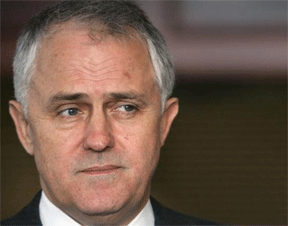 Pressure on PM to rule out nuclear power https://www.9news.com.au/national/pressure-on-pm-to-rule-out-nuclear-power/00c275b4-f3f6-477c-9825-a8c28bd3ba61, By AAP Sep 6, 2019 Prime Minister Scott Morrison is under pressure to rule out nuclear power in Australia, with the opposition saying it’s too expensive and his predecessor calling it a “loopy” fad.
Record warming coming to Eastern states because of sudden warming of air above Antarctica
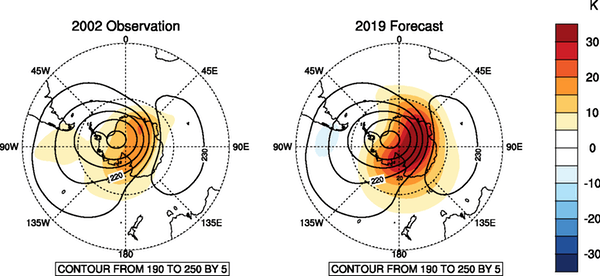
The air above Antarctica is suddenly getting warmer – here’s what it means for Australia The Conversation Senior Principal Research Scientist, Australian Bureau of Meteorology, Manager of Long-range Forecast Services, Australian Bureau of Meteorology, Senior research scientist, Australian Bureau of Meteorology, Senior IT Officer, Australian Bureau of Meteorology, September 6, 2019
Record warm temperatures above Antarctica over the coming weeks are likely to bring above-average spring temperatures and below-average rainfall across large parts of New South Wales and southern Queensland.
In the coming weeks the warming is forecast to intensify, and its effects will extend downward to Earth’s surface, affecting much of eastern Australia over the coming months.
Although we have seen plenty of weak or moderate variations in the polar vortex over the past 60 years, the only other true sudden stratospheric warming event in the Southern Hemisphere was in September 2002.
What can Australia expect?
Impacts from this stratospheric warming are likely to reach Earth’s surface in the next month and possibly extend through to January.
Apart from warming the Antarctic region, the most notable effect will be a shift of the Southern Ocean westerly winds towards the Equator.
For regions directly in the path of the strongest westerlies, which includes western Tasmania, New Zealand’s South Island, and Patagonia in South America, this generally results in more storminess and rainfall, and colder temperatures.
But for subtropical Australia, which largely sits north of the main belt of westerlies, the shift results in reduced rainfall, clearer skies, and warmer temperatures.
Effects on the ozone hole and Antarctic sea ice
One positive note of sudden stratospheric warming is the reduction – or even absence altogether – of the spring Antarctic ozone hole. This is for two reasons.
First, the rapid rise of temperatures in the upper atmosphere means the super cold polar stratospheric ice clouds, which are vital for the chemical process that destroys ozone, may not even form.
Secondly, the disrupted winds carry more ozone-rich air from the tropics to the polar region, helping repair the ozone hole.
‘Bold’ scheme launches to power every property on SA’s Eyre Peninsula with solar
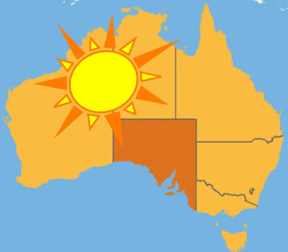 ‘Bold’ scheme launches to power every property on SA’s Eyre Peninsula with solar ABC Eyre Peninsula By Lucy Robinson and Emma Pedler 6 Sept 19, An ambitious plan to power every property in one region of South Australia with solar has been labelled an Australian first — but experts are divided over whether it will work.
Key points:
- The Eyre Peninsula in SA has been plagued by blackouts and a new Community Solar Scheme is rolling out to boost energy security in the region
- The scheme includes finance solutions and free quotes to help people access the technology
- SA Power Networks said the current energy network in SA has “limited capacity to support solar” across the state
Home to around 60,000 people, Eyre Peninsula has been plagued by blackouts in recent years and left without power for several days at a time on multiple occasions.
Its towns were among those hit hardest by the statewide blackouts in September 2016, with Eyre Peninsula businesses wearing a median cost of $10,000 from the event.
The Eyre Peninsula Local Government Association (EPLGA) has released a Community Solar Scheme, put together by Regional Development Australia (RDA), which it says could boost energy security while helping residents save money on power bills…….. https://www.abc.net.au/news/2019-09-06/bold-solar-scheme-launched-to-power-whole-eyre-peninsula/11459992
Labor Party urges Prime Minister Scott Morrison to rule out nuclear power
 Labor is pushing ScoMo to rule out nuclear power https://www.theleader.com.au/story/6370417/pressure-on-pm-to-rule-out-nuclear-power/v Marnie Banger, 6 Sep 19 Prime Minister Scott Morrison is under pressure to rule out nuclear power in Australia, with the opposition saying it’s too expensive and his predecessor calling it a “loopy” fad.
“It is a distraction that will do nothing to solve the energy crisis that is confronting Australian households and businesses now,” opposition energy spokesman Mark Butler told reporters in Adelaide on Thursday.
Australia’s former leader expressed the view on Twitter, in a discussion about the coalition being in line to hit its 2020 renewable energy target.
“I am delighted the target has been met – but I never had any doubt it would be – the challenge now is making sure the storage/firming is in place to make the renewables reliable,” he wrote on Thursday night.
He said ensuring such reliability will require “careful planning and provision”.
But he stressed renewable energy has an edge over coal and “loopy” nuclear power.
“The bottom line is renewables + storage are cheaper than new coal let alone the loopy current fad of nuclear power which is the current weapon of mass distraction for the backbench.”
Energy Minister Angus Taylor asked for the inquiry amid growing calls from coalition backbenchers for the option to be seriously examined.
Last Thursday, the committee was warned by Ziggy Switkowski – who led a Howard government review into the power source – that there was a real risk of “catastrophic failure” if Australia adopted nuclear energy.
‘Up to $12,000 owing to Adnyamathanha girl’: Grandmother
‘Up to $12,000 owing to Adnyamathanha girl’: Grandmother, Transcontinental, Greg Mayfield 4 Sep 19
Indigenous woman Janette Milera is caught between two worlds.
Smart as a whip, and adept with her mobile phone and laptop, she is fighting to bridge the gap between the ancient tribal lands of her forebears and the modern reality of mining royalties.
The royalties flow to the tribal land-owners from an estimated $30-40 million payment so far by Beverley uranium mine in the outback under Native Title.
“There should be some sort of Royal Commission or something into the way Native Title operates,” she said.
She said Aboriginal people faced enough difficulties, without missing out on royalties. On behalf of her grand-daughter, she applied to the association in 2013 for payment of royalties, declaring that her grand-daughter had Adnyamathanha heritage and filling out a membership form for the corporation.
The association had replied that they would look into it.
“I am frustrated considering all the emails saying they were going to sort it out for her,” she said. “We hoped she could use the money to set up her own little house or flat when she moves out. She could have everything. She is missing out.”
Ms Milera, of Plympton Park, is an Arabunna woman who formerly lived in Port Augusta where she helped set up the local Community Development Employment Project, now Bungala Corporation. The association has been contacted for comment. The valuable royalties flow to the association from Heathgate Resources’ Beverley uranium mine on Adnyamathanha land in the outback. https://www.transcontinental.com.au/story/6346351/where-are-the-royalties/?cs=1538&fbclid=IwAR02tzupZOSaQT3oidg05qkwkgLjHIj9jM0YTCB5ndwGjF8HiPN8OTOHDsA
Labor wants Liberal Coalition to come clean on planned sites for nuclear reactors
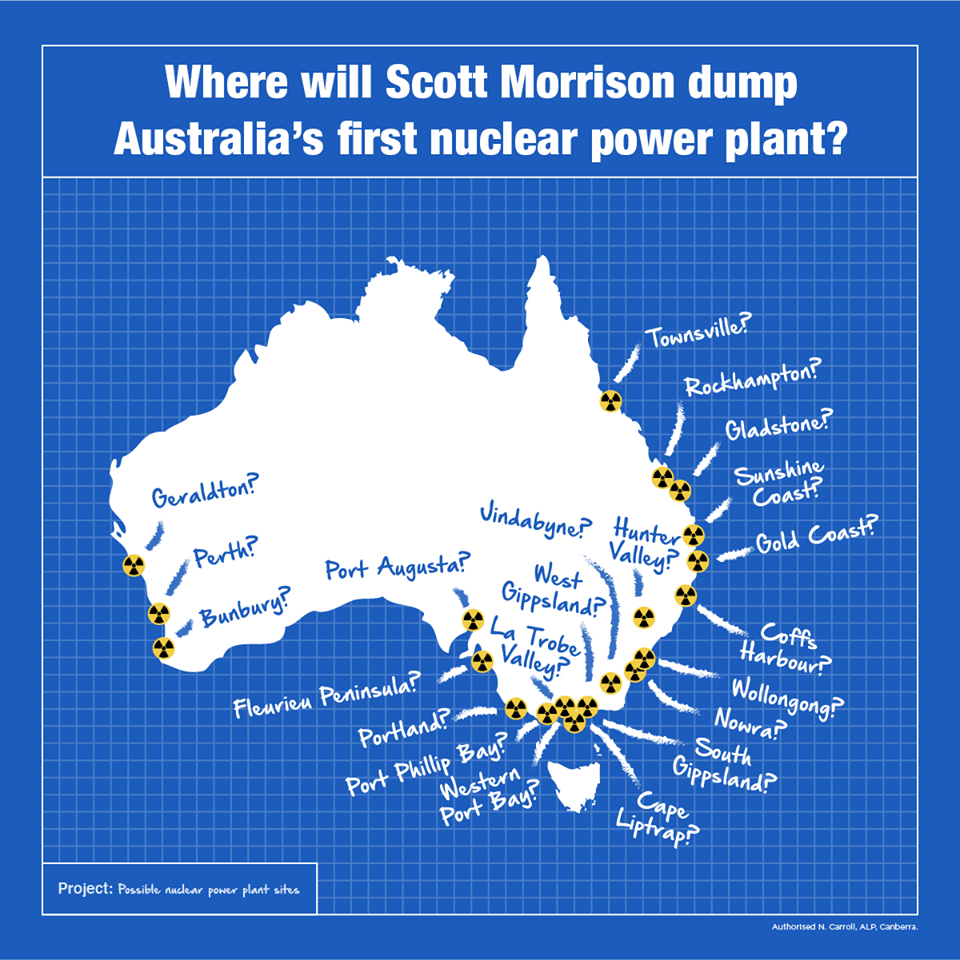
“Instead of indulging the policy fantasies of his restive backbench, Mr Morrison should reject the nuclear option or be upfront with Australians about exactly where he wants to build nuclear reactors,” Butler said. “Mr Morrison should forget nuclear energy and focus instead on practical ways of dealing with his government’s energy crisis.”
The list of locations that have been considered for nuclear activities includes about 40 locations for possible nuclear dump sites and almost 100 that have been examined as possible sites for nuclear reactors.
Labor MPs are expected to follow up the release of the information with localised campaigns highlighting the potential threat of nuclear facilities in the listed locations.
The parliamentary library research notes that some of the sites are highly speculative and have never been subject to a formal proposal, while others have been withdrawn or formally excluded as potential locations.
But Butler said that almost all of the proposed reactor sites since 1968 were near residential communities, noting that some locations – such as Townsville – had been proposed twice.
A study by the progressive thinktank Australia Institute in 2007 identified Townsville as one of 17 suitable sites for nuclear power plants across the country, based on key criteria such as electricity infrastructure, demand, transport, and water access.
Labor’s anti-nuclear push comes as parliament’s standing committee on environment and energy prepares to conduct an inquiry into the “prerequisites for nuclear energy in Australia” with a report due later this year.
The committee was set up by the energy minister, Angus Taylor, after several conservative MPs publicly agitated for the inquiry.
The chair of the committee, Liberal MP Ted O’Brien, said the inquiry would determine if nuclear energy was “feasible, suitable and palatable”…….https://www.theguardian.com/australia-news/2019/sep/05/labor-pressures-coalition-to-rule-out-nuclear-fantasies-or-name-sites-for-reactors
Scrutiny on proposal for thorium nuclear reactors for Australia
New nuclear power proposal needs public debate https://independentaustralia.net/environment/environment-display/new-nuclear-power-proposal-needs-public-discussion,13071
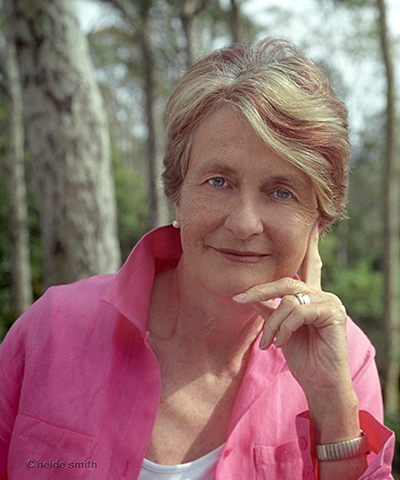 By Helen Caldicott | 4 September 2019 The prospect of thorium being introduced into Australia’s energy arrangements should be subjected to significant scrutiny, writes Helen Caldicott.
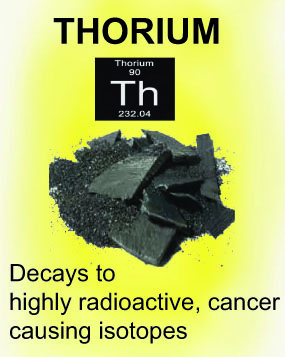
AS AUSTRALIA is grappling with the notion of introducing nuclear powerinto the country, it seems imperative the general public understand the intricacies of these technologies so they can make informed decisions. Thorium reactors are amongst those being suggested at this time.
The U.S. tried for 50 years to create thorium reactors, without success. Four commercial thorium reactors were constructed, all of which failed. And because of the complexity of problems listed below, thorium reactors are far more expensive than uranium fueled reactors.
The longstanding effort to produce these reactors cost the U.S. taxpayers billions of dollars, while billions more dollars are still required to dispose of the highly toxic waste emanating from these failed trials.
The truth is, thorium is not a naturally fissionable material. It is therefore necessary to mix thorium with either enriched uranium 235 (up to 20% enrichment) or with plutonium – both of which are innately fissionable – to get the process going.
While uranium enrichment is very expensive, the reprocessing of spent nuclear fuel from uranium powered reactors is enormously expensive and very dangerous to the workers who are exposed to toxic radioactive isotopes during the process. Reprocessing spent fuel requires chopping up radioactive fuel rods by remote control, dissolving them in concentrated nitric acid from which plutonium is precipitated out by complex chemical means.
Vast quantities of highly acidic, highly radioactive liquid waste then remain to be disposed of. (Only is 6 kilograms of plutonium 239 can fuel a nuclear weapon, while each reactor makes 250 kilos of plutonium per year. One millionth of a gram of plutonium if inhaled is carcinogenic.)
So there is an extraordinarily complex, dangerous and expensive preliminary process to kick-start a fission process in a thorium reactor.
When non-fissionable thorium is mixed with either fissionable plutonium or uranium 235, it captures a neutron and converts to uranium 233, which itself is fissionable. Naturally it takes some time for enough uranium 233 to accumulate to make this particular fission process spontaneously ongoing.
Later, the radioactive fuel would be removed from the reactor and reprocessed to separate out the uranium 233 from the contaminating fission products, and the uranium 233 then will then be mixed with more thorium to be placed in another thorium reactor.
But uranium 233 is also very efficient fuel for nuclear weapons. It takes about the same amount of uranium 233 as plutonium 239 – six kilos – to fuel a nuclear weapon. The U.S. Department of Energy (DOE) has already, to its disgrace, ‘lost track’ of 96 kilograms of uranium 233.
A total of two tons of uranium 233 were manufactured in the United States. This material naturally requires similar stringent security measures used for plutonium storage for obvious reasons. It is estimated that it will take over one million dollars per kilogram to dispose of the seriously deadly material.
An Energy Department safety investigation recently found a national repository for uranium 233 in a building constructed in 1943 at the Oak Ridge National Laboratory.
It was in poor condition. Investigators reported an environmental release from many of the 1,100 containers could
‘… be expected to occur within the next five years because some of the packages are approaching 30 years of age and have not been regularly inspected.’
The DOE determined that this building had:
Deteriorated beyond cost-effective repair and significant annual costs would be incurred to satisfy both current DOE storage standards, and to provide continued protection against potential nuclear criticality accidents or theft of the material.
The DOE Office of Environmental Management now considers the disposal of this uranium 233 to be ‘an unfunded mandate’.
Thorium reactors also produce uranium 232, which decays to an extremely potent high-energy gamma emitter that can penetrate through one metre of concrete, making the handling of this spent nuclear fuel extraordinarily dangerous.
Although thorium advocates say that thorium reactors produce little radioactive waste, they simply produce a different spectrum of waste to those from uranium-235. This still includes many dangerous alpha and beta emitters, and isotopes with extremely long half-lives, including iodine 129 (half-life of 15.7 million years).
No wonder the U.S. nuclear industry gave up on thorium reactors in the 1980s. It was an unmitigated disaster, as are many other nuclear enterprises undertaken by the nuclear priesthood and the U.S. government.
Minister Canavan and Department of Industry Innovation and science ready to spoil beautiful, sacred, and arable land – for nuclear trash
Goodes abuse mirrors SA nuclear fight, Eureka Street, Michele Madigan, 03 September 2019 On 21 August I came out of an Adelaide preview of The Australian Dream, Stan Grant’s documentary about the racialised mistreatment of the former AFL footballer Adam Goodes, for a brief interview on our local ABC’s Evening Show. The topic: the resumption of federal government visibility and determination to both deposit and dump nuclear waste in either the Flinders Ranges or Kimba regions.
There is at best exasperation, and at worst, genuine anger shown to many Australians seeking to defend country: to Aboriginal and Torres Strait Islander defenders certainly. In regard to non-Aboriginal people, the word ‘greenie’ has become largely a term of derision………
On 13 August, DIIS, in meeting with the Barndioota Consultative Committee in the Flinders, confirmed that the size of the proposed site would now be 60 per cent larger. On 21 and 22 August Minister Canavan visited both areas for brief ‘consultative’ meetings, declaring the site decision is likely before the end of this year, and acknowledging that this may take place before the Flinders ballot. While again refusing to give a named acceptable percentage on such a ballot, Senator Canavan stressed the ballot was just one component in the decision making. Other evidence will include the 1000 submissions in this still open process.
 On his 26 August Evening Show, Peter Goers interviewed an enthusiastic proponent — the Member for the vast federal seat of Grey. Rowan Ramsey was indignant that ‘outsiders’ were daring to protest the project. As well as ignoring his companion interviewee, local Greg Bannon, Ramsay revealed his misconception that other South Australians and indeed other Australians have no right to object. In claiming no knowledge of nuclear transport accidents, clearly he had not heard of the 1994 spill near Port Augusta, to name just one example; nor that transporting and simply ‘storing’ the spent fuel rods from the Lucas Heights reactor is exponentially more dangerous than Olympic Dam yellowcake transport…… https://www.eurekastreet.com.au/article/goodes-abuse-mirrors-sa-nuclear-fight?utm_medium=email&utm_campaign=Eureka%20Street%20Daily%20-%20Wednesday%204%20September%202019&utm_content=Eureka%20Street%20Daily%20-%20Wednesday%204%20September%202019+CID_df4eff5733a50d6914ba873c7e09aea7&utm_source=Jescom%20Newsletters&utm_term=Goodes%20abuse%20mirrors%20SA%20nuclear%20fight
‘All of us are in danger’: John Pilger delivers warning from Julian Assange
 Today, in further flagrant and conscious censorship, no British, Australian or American newspaper is carrying a report on Waters’ initiative and the rally.
Roger Waters and John Pilger make powerful defence of Julian Assange in London, WSWS 3 September 2019
Up to 1,000 people gathered last night in central London to hear internationally acclaimed musician Roger Waters deliver a musical tribute to imprisoned WikiLeaks’ publisher Julian Assange.
Performing outside the UK Home Office, just miles from Belmarsh Prison where Assange is being held as a Category A prisoner, Waters sang Pink Floyd’s iconic song “Wish You Were Here.” He was accompanied by guitarist Andrew Fairweather Low.
Supporters filled the forecourt and pavement on both sides of Marsham Street, many carrying banners and placards demanding Assange’s freedom and the release of imprisoned whistleblower Chelsea Manning. Spontaneous chants rang out, “Free, Free Julian Assange!” and “There’s only one decision: No extradition!”
John Pilger, a veteran filmmaker and investigative journalist and a personal friend of Assange, opened the event with an impassioned speech. Pointing in the direction of the Home Office, Pilger told the crowd: “The behaviour of the British government towards Julian Assange is a disgrace. A profanity on the very notion of human rights. It’s no exaggeration to say that the treatment and persecution of Julian Assange is the way that dictatorships treat a political prisoner.”
John Pilger, a veteran filmmaker and investigative journalist and a personal friend of Assange, opened the event with an impassioned speech. Pointing in the direction of the Home Office, Pilger told the crowd: “The behaviour of the British government towards Julian Assange is a disgrace. A profanity on the very notion of human rights. It’s no exaggeration to say that the treatment and persecution of Julian Assange is the way that dictatorships treat a political prisoner.”………
Pilger warned that Assange’s condition was a matter of grave concern. “I worry a great deal about him if he spends many months in Belmarsh,” he said. “The regime there is imposing a kind of isolation on him that is deeply psychologically wounding. He’s in a small cell in the hospital ward. They seem not to know what to do with him. Of course, what they should be doing is letting him out. He certainly should not be in a maximum-security prison.”…….
Underscoring the point made by Kristinn Hrafnsson about the mainstream media, no major British television station reported on the event on their evening news broadcasts. Today, in further flagrant and conscious censorship, no British, Australian or American newspaper is carrying a report on Waters’ initiative and the rally.
Via social media and publications such as the WSWS, however, reports and video of Waters’ performance, Pilgers’ speech and the statements of Gabriel Shipton are circulating widely and will be viewed by hundreds of thousands of people internationally over the coming days.
1 This month
.

Australians deserve the truth
about
AUKUS – https://aukuspublicinquiry.com/

PETITION – To: Prime Minister Anthony Albanese and the Australian Labor Government

of the week – Australians for War Powers Reform (AWPR)
To see nuclear-related stories in greater depth and intensity

