Cost of action on climate change is high – political will is lacking
|
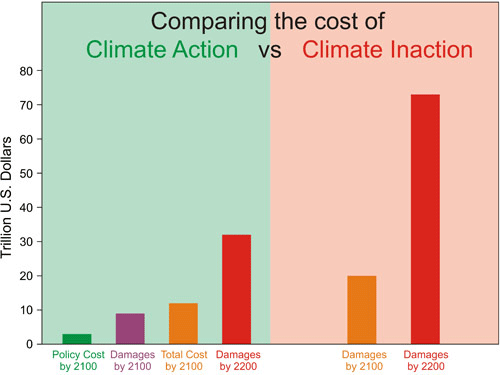
The political will to prevent climate change is lacking, even as the cost climbs Brisbane Times By David Crowe,8 October 2018 Australians are being presented with another startling contrast between colossal risk and paltry action over climate change.The latest scientific advice is that human activity has already caused an increase of 1 degree in world temperatures, with global warming estimated to reach 1.5 degrees by 2052 on current trends.
The cost is astronomical. The damage over the years to 2100 would reach $US54 trillion in today’s dollars if warming was kept to 1.5 degrees. The cost would climb to $US69 trillion if warming reached 2 degrees. The obvious message from the report is to stop the 2 degree scenario. The scientists say this means halting the use of coal by 2050, accelerating the use of renewables and making mammoth investments to change the economy. This cost is just as draw-dropping. The report says the investment would need to be $US2.4 trillion a year by 2034 across the global economy. There is no country-by-country analysis of what this means but Australia makes up about 1 per cent of global emissions, so it may have the same share of the expense. Can Australia invest $US24 billion a year to avert dangerous climate change? That is more than the federal government spends on public hospitals. The answer from the Greens is to shut down coal-fired power stations and stop coal exports, but only about 10 per cent of Australian voters supported this position at the last election by giving the Greens their primary vote. The two major parties will not rush the closure of coal-fired power stations. The answer from the government is to ask for more time to come up with a policy. The leadership turmoil in August left the Liberals and Nationals without a plan to reduce emissions. Prime Minister Scott Morrison insisted on Monday that Australia would meet its emission targets “in a canter” but this is disputed by climate experts. It is a laughable message – nothing more than saying “trust us” – when the demise of the National Energy Guarantee proved again that the Coalition party room is incapable of reaching a consensus and then holding its nerve on energy and climate policy. Labor has a 50 per cent target for renewable energy by 2030 but is yet to spell out how it would reduce emissions in government. One approach is to rebuild a policy from the wreckage of the NEG but this is easier said than done……. https://www.brisbanetimes.com.au/politics/federal/the-political-will-to-prevent-climate-change-is-lacking-even-as-the-cost-climbs-20181008-p508g2.html |
|
Australia’s Prime Minister Scott Morrison joins the pro nuclear bandwagon
 Whatever it takes: ScoMo prepared to go nuclear if it cuts power prices https://www.theaustralian.com.au/national-affairs/climate/whatever-it-takes-scomo-prepared-to-go-nuclear-if-it-cuts-power-prices/news-story/1193fd298fb3ff1d57b4e48accea3ee1 GREG BROWN, OCTOBER 8, 2018 Scott Morrison says he would overturn the ban on building nuclear reactors in Australia if he believed it would put downward pressure on power prices.
The Prime Minister said he would do “whatever it takes” to make electricity cheaper, and he would have no issues allowing nuclear reactors to be built if it would make lower household bills.
But warned the investment case to build a nuclear reactor did not “stack up”.
You’ve got to make the investment stack up,” Mr Morrison told 2GB radio.
Last month, former PM Tony Abbott called on the Morrison government to lift the prohibition on nuclear power.
Mr Abbott told 2GB there was “absolutely no reason why, when it’s economic, we shouldn’t have nuclear power generation in Australia”.
The push to revive the nuclear debate comes after Mr Morrison last month declared the NEG dead, while opposition energy spokesman Mark Butler held out the prospect of Labor moving to revive the policy in government following engagement with industry.
The former chair of the Australian Nuclear Science and Technology Organisation and current chair of 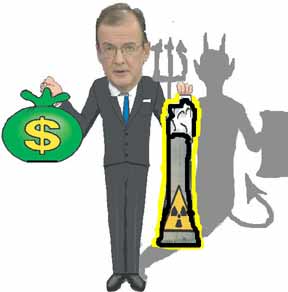 NBN Co, Ziggy Switkowski, told The Weekend Australian it was sensible to clear the regulatory pathway for the next generation of small nuclear reactors.
Meanwhile, the International Atomic Agency says nuclear energy is vital to meeting the global challenge of climate change but projections were for a dramatic shortfall in capacity by 2050.
A new report from the agency revealed without nuclear, cumulative greenhouse gas emissions between 2018 and 2050 could be up to 12 gigatonnes higher, more than 20 times Australia’s entire emissions last year.
Called Climate Change and Nuclear Power 2018, the report said climate change was one of the most important issues facing the world today.
Nuclear energy could make an important contribution to reducing greenhouse gas emissions while delivering energy in the increasingly large quantities needed for global economic development.
“Nuclear power plants produce virtually no greenhouse gas emissions or air pollutants during their operation and only very low emissions over their full life cycle,” the report said.
No Australian government support for “nonsense” like climate change action
 Morrison vows no money for climate conferences and “all that
 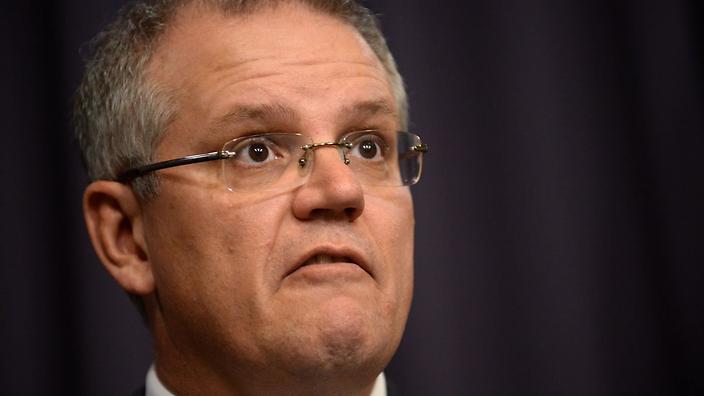 nonsense” https://reneweconomy.com.au/morrison-vows-no-money-for-climate-conferences-and-all-that-nonsense-38468/ 8 October 2018 Australia’s prime minister Scott Morrison has responded to the latest UN Intergovenmental Panel of Climate Change report by declaring that he had no intention of spending money on global climate conferences and “all that sort of nonsense.”
New political party – Stop Selling Australia party
Stop Selling Australia party.
We mainly focus on the prevention of our assets and essential services being sold off to foreign countries, we also care about the long term future of Australia.
This includes the dumping of nuclear waste in Australia which is not in the interest of our kids.
We are planning on running a candidate in each state, but as yet don’t have one for South Australia.
If you know anyone who might be suitable, please contact me and we can have a chat.
Thanks,
Mike Barclay https://www.facebook.com/groups/344452605899556/
Australia lagging behind in electric cars, though they save lives and cut costs
6 October 2018 Deaths from air pollution would be prevented and the Morrison government would meet its pledge to make electricity more reliable and affordable if more Australians drove electric cars, but a lack of political will is holding back the benefits.That is the widespread view expressed to a Senate probe into electric vehicles in Australia. Electric car maker Tesla, headed by controversial entrepreneur Elon Musk, is among those who assert that “government leadership” is the main barrier to increasing electric vehicle uptake in Australia, while the government’s own infrastructure adviser warned that Australians “risk being left behind” in the global transition.
Australia trails the world in the adoption of electric vehicles. Just 2284 were sold last year – 0.2 per cent of total vehicle sales. This is largely attributed to a lack of vehicle choice, fears about limited driving range and higher upfront costs than traditional cars.
In contrast, electric vehicles make up about 20 per cent of new sales in Norway, and are expected to reach 30 per cent of sales in China by 2030.
The Senate inquiry, chaired by independent South Australian senator Tim Storer, is investigating the benefits and opportunities of electric vehicles in Australia.
It is broadly acknowledged that electric vehicles improve air quality, help address climate change, boost public health and are cheaper to run than conventional vehicles.
……The Morrison government said these two outcomes – making electricity more reliable and affordable – would be its “unrelenting” focus following the demise of the National Energy Guarantee. However the government provided only limited support for electric-vehicle adoption.
Tesla told the inquiry that thousands of Australians had placed deposits for its model 3 sedan and research showed 50 per cent of Australians would consider an electric vehicle for their next purchase.
But it said governments must help ensure Australians could access charging infrastructure and a wide range of vehicle models, and reduce financial and logistical hurdles.
“The main barrier to increasing electric vehicle uptake in Australia is not consumer appetite; rather it is clear government leadership,” Tesla wrote.
The NRMA, ClimateWorks and the Electric Vehicle Council also called on governments to act to encourage the uptake of electric vehicles in various ways, such as implementing vehicle emissions standards, supporting the establishment of charging infrastructure and setting targets for government fleets. ……
The Senate committee is due to report in December. https://www.smh.com.au/politics/federal/electric-cars-would-save-lives-and-cut-costs-but-australians-risk-being-left-behind-20180914-p503th.html
Greens propose 30 renewable energy zones, backed by grid fund
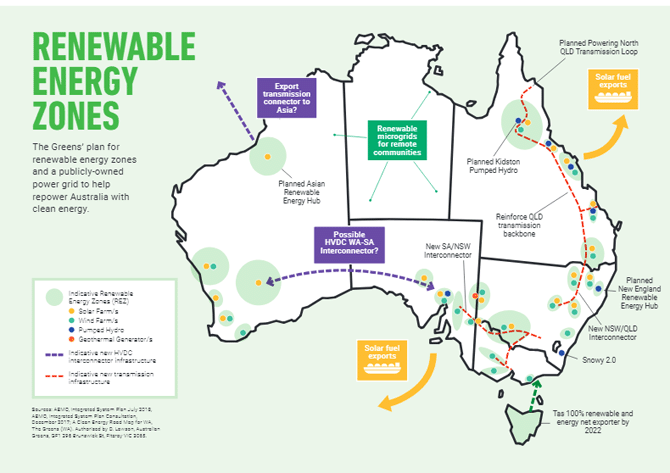
REneweconomy 3 October 2018 The Australian Greens are proposing to create up to  30 special renewable energy zones across Australia, backed by a $2.8 billon grid transformation fund to help drive the transition towards 100 per cent renewables.
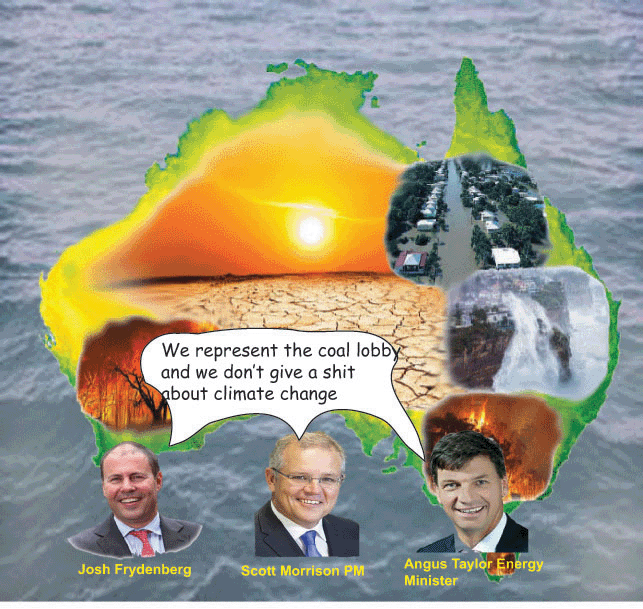
Morrison government cynically tries to hide the truth on greenhouse gas emissions
Our emissions reduction target of 26-28 per cent below 2005 levels by 2030 is woefully inadequate and is not aligned with what the science says is necessary to effectively tackle climate change. Rather than doing it at “a canter” we’re like the champion sprinter, Chautauqua, stuck in the barriers.
Australia is one of the most vulnerable developed countries in the world to the impacts of climate change.
A cynical attempt to avoid scrutiny https://www.brisbanetimes.com.au/environment/climate-change/a-cynical-attempt-to-avoid-scrutiny-20181001-p5074d.html, By Martin Rice, 1 October 2018 —
It had held onto the information for months, seemingly waiting for the right time to “take out the trash”. The news for it, and for us, was grim. Australia’s greenhouse gas pollution levels have risen yet again.
The reporting of Australia’s rising emissions has been buried on a number of occasions, with data released on Christmas Eve, on weekends, holiday periods, or during major events. It’s a cynical attempt to avoid scrutiny.
For climate policy to be a winner, greenhouse gas pollution levels must be trending downwards; there are no Norm Smith or Clive Churchill medals for the federal government, with emissions increasing by 1.3 per cent for the year to March 2018. Worse still, greenhouse gas pollution has risen three years in a row – we’re chasing the wooden spoon.
On Sunday, Prime Minister Scott Morrison told the ABC Insiders program that people “choose and pick their figures to make a political argument”. This is not a political argument. The figures tell us very clearly that emissions are going up.
The Prime Minister also repeated his claim that Australia will meet its Paris obligations “at a canter”. There are numerous reports – from the Australia Institute last week and the UN Environment Program last year – that outline why Australia won’t meet its 2030 Paris commitments.
Our emissions reduction target of 26-28 per cent below 2005 levels by 2030 is woefully inadequate and is not aligned with what the science says is necessary to effectively tackle climate change. Rather than doing it at “a canter” we’re like the champion sprinter, Chautauqua, stuck in the barriers.
Australia is one of the most vulnerable developed countries in the world to the impacts of climate change. Heatwaves are becoming longer, hotter and starting earlier in the year. In the populous south of the country, dangerous bushfire weather is increasing, and cool season rainfall is dropping off, stretching firefighting resources, putting lives at risk and creating challenges for the agriculture industry.
The unprecedented bleaching events on the Great Barrier Reef in 2016 and 2017 resulted in mass coral mortality, with the 2016 bleaching event at least 175 times more likely to occur due to intensifying climate change. Not only is the reef a natural icon of global significance, it’s a multi-billion dollar economic asset, contributing around $6.4 billion to the Australian economy a year (of which $5.7 billion comes from the tourism industry), and supporting 64,000 direct and indirect jobs. Climate change is putting this industry, and the broader economy, at risk.
NSW and Queensland are experiencing severe drought conditions, with dire consequences for farming and rural communities. Southern Australia, particularly along the eastern coast and hinterlands, could experience devastating bushfire conditions this season. There would be little reprieve for firefighters exhausted from battling fires in the height of the Australian winter (yes, winter!) or helping suppress fires overseas.
The burning of coal, oil and gas is causing temperatures to rise at unprecedented rates and is making extreme weather events more intense, damaging and costly. The window of opportunity to effectively tackle climate change is closing fast. We need to rapidly and deeply cut our emissions.
The solutions are available. We need to accelerate the transition to clean, affordable and reliable renewables and storage technologies and ramp up other climate solutions in the transport, agriculture and other sectors.
At a time when credible federal government climate policy remains missing in action, it has never been more important for transparent greenhouse gas pollution information. Yet the federal government has consistently withheld or hidden vital emissions data; it’s a serial offender when it comes to climate censorship.
Martin Rice is the Climate Council’s acting chief executive and head of research.
Department of Industry, Innovation and Science chief economist enthusiastic about the lithium industry
|
Lithium ‘buzz’ could be worth hundreds of billions to Australia, WA Today By Hamish Hastie, 2 October 2018 —Australia has the potential to capture more wealth and jobs from its lithium sector by moving down the battery supply chain but this would be contingent on a number of factors, one of the federal government’s top economists thinks.
In his resources and energy quarterly update Department of Industry, Innovation and Science chief economist Mark Cully said lithium and battery demand could result in billions of dollars for a country that grabbed the opportunity………https://www.watoday.com.au/business/the-economy/lithium-buzz-could-be-worth-hundreds-of-billions-to-australia-20181002-p507cb.html |
|
|
PM Morrison’s dodgy claim about Australia meeting Paris climate commitment
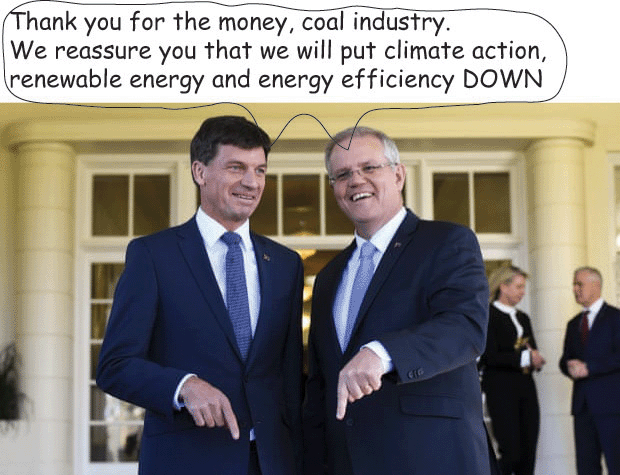 PM claims Australia will meet Paris target ‘in a canter’ despite emissions climbing
Morrison says rate of increase not as high as previous years and renewables investment will ensure Australia meets commitment, Guardian, Amy Remeikis, 30 Sept 18, Australia’s greenhouse gas emissions have continued to rise, but Scott Morrison seized on the silver lining, maintaining Australia would meet its Paris commitment, despite the government having no legislated instrument to help it get there.
Figures released on Friday showed Australia’s emissions increased 1.3% in the year to March 2018, up all sectors – except land use and electricity, where renewable technologies were having an impact on the latter.
The prime minister jumped on the rate of the increase not being as high as in previous years……..
Morrison said Australia would meet its Paris targets “in a canter”, largely based on investment in renewable energy technologies, despite concerns a lack of legislated instrument may impact investor confidence in the sector. …..
“We still have large-scale and small-scale policies there. We still have the Clean Energy Finance Corporation, and we still have the Emissions Reduction Fund for the period that it’s currently for, and we’re on track to hit it.”…..
Critics of the government’s stance have repeatedly called for legislation to ensure Australia meets the targets it agreed to when Tony Abbott signed the nation up to the Paris agreement.
But with the national energy guarantee a casualty of the leadership spillwithin the Liberal party, the government has no legislated instrument to ensure emission reductions, and no plans to create one…..
He said lowering electricity prices remained the government’s priority and criticised Labor for its policy. ….Labor has said it will look to legislate a version of the national energy guarantee the government abandoned as policy to ensure Australia does meet its targets. The Greens announced its parliamentary team will take a “hard line” on making sure any future Labor government does not back down.
Research released earlier this month found that emission reductions targets were not responsible for driving up power prices. https://www.theguardian.com/australia-news/2018/sep/30/pm-claims-australia-will-meet-paris-target-in-a-canter-despite-emissions-climbing
Great Barrier Reef scientists told to focus on projects to make government look good
 Emails tabled in Senate inquiry recommended ‘trade-offs’ to Great Barrier Reef Foundation, Guardian, Ben Smee @BenSmee 26 Sep 2018
Great Barrier Reef scientists were told they would need to make “trade-offs” to the Great Barrier Reef Foundation, including focusing on projects that would look good for the government and encourage more corporate donations, emails tabled in the Senate reveal.
The documents, including cabinet briefing notes, contain significant new details about the workings of the foundation and the government decision to award it a $443m grant, including:
- The executives of mining, gas and chemicals companies – and international financial houses that actively back fossil-fuel projects – were among the guests at a six-star retreat hosted by the foundation less than a month after the grant was announced;
- The media companies Foxtel and Fairfax and the tech giant Google are among a tightly held list of donors to the foundation;
- The only CSIRO employee contacted about the grant before the announcement in April was in Patagonia, and did not get the email. Documents have previously revealed that the government’s peak science agency was cut out of the decision to award the grant;
- In August, as scrutiny of the grant intensified, public servants pushed to block a long-planned meeting between the then science minister, Michaelia Cash, and the head of the foundation, Anna Marsden, because of concern about the “optics”.
Emails sent by staff at the Australian Institute of Marine Science outline how government expectations, the ability to leverage private donations and public perceptions “may drive the [foundation] to prioritise shorter-term research initiatives in order to demonstrate progress and return on investment”.
“Where it becomes challenging is that … interventions with the largest future benefit also take the longest to develop,” the institute’s executive director of strategic policy, David Mead, wrote in an email to colleagues.
“Among other trade-offs, we will need to determine to what degree we focus on quick wins or whether we progress longer-term strategic interventions and accept that we will only partially progress them during the next five years (perhaps with little outward visibility of success/progress).”
The emails also reveal an initial state of uncertainty about how a $100m allocation for reef restoration and adaptation would be handled……. https://www.theguardian.com/environment/2018/sep/26/great-barrier-reef-scientists-told-to-focus-on-projects-to-make-government-look-good?CMP=share_btn_tw.
Lobbyists for nuclear-related firms hold key positions in National Party
|
Nuclear industry-related firms – Heathgate Resources, General Dynamics, Delta Electricity, St Baker Energy Innovation Fund – some of the firms represented by the two lobbying firms mentioned in the article below. Top Nationals pair hold senior roles at big-business lobby firms Katrina Hodgkinson and Larry Anthony – as well key Labor and Liberal figures – are part of an industry with little oversight
|
|
|
‘Welcome’ to Steve Ciobo, the new Australian Minister for the Arms Trade
Labor holds meeting with industry, on emissions reduction, as COAL-ition holds private dinner with coal-nuclear lobbyist Trevor St Baker
Australia’s Minister For The Coal Lobby, Angus Taylor’s false statement about carbon emissions
Claim we’re on track to meet emissions targets is false, New Daily, James Fernyhough,
Here is what he wrote in the Australian Financial Review on Tuesday:
“[E]missions reductions are the least of our problems, with every prospect we will reach the 26 per cent reduction below 2005 levels ahead of schedule and without interventions.”
This, he implied, justified the Morrison government’s decision to do nothing to reduce carbon emissions, and focus instead exclusively on price and reliability.
But The New Daily looked into Mr Taylor’s claim, and the evidence suggests it is in one sense downright false, and in another seriously misleading.
Let’s address the seriously misleading aspect first.
Under the Paris Agreement, Australia has committed to reduce its greenhouse gas emissions by 26 to 28 per cent on 2005 levels by 2030.
According to Mr Taylor’s department, Australia is on track to woefully miss the 2030 target.
On page 11 of this document from December last year, the Department of Environment and Energy projects that if no new emissions-reduction policies are implemented (as none have been), our greenhouse emissions will be just 5 per cent below 2005 levels – not 26 per cent, as Mr Taylor seems to claim.
Mr Taylor’s figures appear at a glance to be off by a massive 21 percentage points……….
The Morrison government has scrapped the NEG – the policy that triggered Malcolm Turnbull’s downfall – and has made it clear it will not replace it with anything.
So we are once more back to where we were – on track to miss all our emissions reductions targets.
Minister Taylor’s office did not respond when presented with the evidence that his statement was false. https://thenewdaily.com.au/money/finance-news/2018/09/18/energy-ministers-claim-carbon-emissions-false/
Oh dear! Coal-loving Angus Taylor’s electorate wants action on climate change
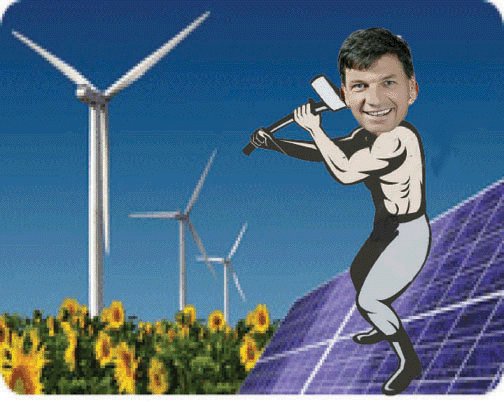 Energy minister’s electorate backs higher emissions reduction target, poll shows
ReachTel poll of Angus Taylor’s voters finds 42.3% want Australia to cut emissions more deeply, Guardian, Katharine Murphy Political editor@murpharoo19 Sep 2018 More voters in the electorate of the new energy minister, Angus Taylor, support an emissions reduction target for electricity and a higher national target than the Paris commitment than oppose those positions.
1 This month
17 October, Free Public Talk on Nuclear Issues in South Australia
David Noonan will speak on public interest concerns over the new Roxby Downs Indenture Act 2026 on BHP copper-uranium mining and ore processing in SA, and on how AUKUS may face SA with a High-Level nuclear waste agenda.
Dr Jim Green will discuss international developments in the field of nuclear power including ‘small modular reactors’ and Generation 4 ‘advanced’ nuclear reactor concepts.


Help Aunty Sue Protect Her Land and Sacred Sites From Destructive Rocket Testing.
.

Australians deserve the truth
about
AUKUS – https://aukuspublicinquiry.com/

PETITION – To: Prime Minister Anthony Albanese and the Australian Labor Government

of the week – Australians for War Powers Reform (AWPR)
To see nuclear-related stories in greater depth and intensity

