This week’s NON-CORPORATE nuclear news

Some bits of good news – Giant bird once hunted to extinction returns to Scotland after 500 years.
New Bamboo Plantations Are Healing Villages Choked by Toxic Ash from Coal Plants in India . What Happens When You Give Teens No-Strings Cash?
TOP STORIES.
Israel’s genocide is big business – and the face of the future. Chris Hedges: The Gaza Riviera. https://www.youtube.com/watch?v=PslOp883rfI
We’re having a heatwave -and nuclear power can’t cope.
Trillion dollar AUKUS subs plus nuclear waste in perpetuity?
Sizewell C loans could see project cost rise above Hinkley to £47.7bn
Climate. Welcome to Disaster World. Greenpeace hails Italian court ruling allowing climate case against energy company Eni to continue.
AUSTRALIA. AUKUS Submarine Regulations: FoE Adelaide submission. Australia won’t receive Aukus nuclear submarines unless US doubles shipbuilding, admiral warns.
Out of Step with the World: Australia’s Refusal to Recognise Palestine is a Moral Failure . . Sanction Israel Now – APH Convergence. Jillian Segal and the Israel Lobby’s TERRIFYING Plan for Australia –https://www.youtube.com/watch?v=i1b7J7pzgNo An Israel voice to Parliament? | Scam of the Week.
NUCLEAR ITEMS.
ATROCITIES.
“Precisely Designed Mass Starvation”: Aid Access as Weapon in Israel’s War on Gaza, Researchers Find.
“One Meal Every Three Days”: Journalist & Aid Worker Back from Gaza on Stark Reality on the Ground. Intentional Policies: Dystopian Killing Fields and Starvation in Gaza.
CULTURE and ART. Tom Lehrer, acclaimed musical satirist of cold war era, dies aged 97. https://www.youtube.com/watch?v=TIoBrob3bjI
ECONOMICS. Investment decision to be made on Sizewell C nuclear- ALSO AT https://nuclear-news.net/2025/07/24/1-b1-investment-decision-to-be-made-on-sizewell-c-nuclear/
Ed Miliband admits Sizewell C cost has almost doubled to £38bn. Sizewell C’s Final Investment Decision has only crawled over the line (- with the public purse).
EDF not repeating its costly Hinkley nuclear blunder – for Sizewell C, the UK tax-payers will cop the costs.
Centrica really can’t lose at Sizewell – ALSO AT https://nuclear-news.net/2025/07/24/1-b1-centrica-really-cant-lose-at-sizewell/
EDF shifts nuclear strategy to focus on domestic projects.
| ETHICS and RELIGION. It’s A Genocide, But It’s Also So Much More Than That – https://www.youtube.com/watch?v=77JnyN3lo3cGaza Isn’t Starving, It Is Being Starved. |
| HEALTH. Nuclear waste exposure in childhood associated with higher cancer incidence. Why Starmer’s nuclear power push raises cancer fears – ALSO AT https://nuclear-news.net/2025/07/25/1-b1-why-starmers-nuclear-power-push-raises-cancer-fears/ |
| HISTORY. Origins of Israel’s nuclear ambiguity lie in a secret deal forged between Richard Nixon and Golda Meir – podcast.The Kyshtym disaster: Russia’s hidden nuclear crisis. |
| LEGAL. Belgian court bans military shipments to Israel in activist victory.Israel is changing the legal system governing the West Bank to accelerate annexation: report. |
| MEDIA. Google Helped Israel Spread War Propaganda to 45 Million Europeans.Ukrainian bots want the BBC to endorse war crimes.Four Major News Agencies Warn Gaza Staff Face Starvation Due to Israeli Blockade. |
| SAFETY. Incidents. French submarine-maker targeted by hackers. Chinese hackers gain access to US oversight of nuclear weapons in widespread Microsoft hack: report. 5 worst nuclear disasters from around the world. The real story of Chernobyl, the worst nuclear disaster in history. Trump axes nuclear waste oversight panel. US Nuclear Industry Revival on the Horizon. The next Chernobyl? Soviet-era nuclear power plant is branded a ‘ticking time bomb’ that could go off at ‘any moment’ Time to Step Up – Campaigner calls on MP to challenge decision to give fusion indemnity over accident liabilities. The Flamanville EPR is still shut down: we know more after the visit of the nuclear regulator. |
| SECRETS and LIES. From hero to zero- When western leaders realised that Zelensky isn’t a corruption-fighting democrat. Dell’s complicity in Israel’s genocide. They Intend To Keep Lying About Gaza Until They’ve Emptied It Out. They’re Starving Civilians To Steal A Palestinian Territory, And They’re Lying About It. Tory peer apologises for helping set up ministerial meeting for a nuclear firm he advises. Ed Miliband put up your energy bills (for Sizewell nuclear)– and hoped you wouldn’t notice. |
| SPINBUSTER. MAGA Going to Israel for Propaganda Training. |
| TECHNOLOGY. Fusion energy start-up claims to have cracked alchemy– ALSO AT https://nuclear-news.net/2025/07/25/1-b-fusion-energy-start-up-claims-to-have-cracked-alchemy/ UK Government drops plans to include smaller nuclear fusion energy plants in NSIP regime. |
| WAR and CONFLICT. Grave Nation: Ukrainian Cemetery Mega-Project Reveals Dimming Military Hopes. |
| WEAPONS and WEAPONS SALES. The inside story of how America sent nuclear weapons to Britain. US nuclear weapons ‘on UK soil’ for first time in 17 years- ALSO AT https://nuclear-news.net/2025/07/24/1-b1-us-nuclear-weapons-on-uk-soil-for-first-time-in-17-years/ Does Israel have secret nuclear weapons?- https://www.youtube.com/watch?v=lBRWQvICQ9w How civil nuclear power funds nuclear weapons – video. Entering a Golden Age for War Profiteers. |
The Moral Compass is Broken
29 July 2025 Lachlan McKenzie, https://theaimn.net/the-moral-compass-is-broken/
When Opposition Leader Sussan Ley was asked about the deaths of Palestinian children in Gaza, she said Israel bears no responsibility whatsoever – that it’s entirely the fault of Hamas. Then, when a journalist tried to ask a follow-up question, she cut them off and said: “Can I just move on?”
That cold, careless response speaks volumes. It’s not just political indifference – it’s complicity.
Let’s be clear: this isn’t about diplomacy. It’s about basic humanity. And right now, too many politicians and media outlets are showing none.
They’re not operating in a vacuum. A small but powerful network of lobbyists, media owners, and foreign policy influencers decide which lives are worthy of outrage – and which ones can be quietly buried. That influence doesn’t reflect the values of most Australians. It reflects power.
If you’re more afraid of upsetting foreign interests than mourning dead children, then your moral compass isn’t broken – it’s been thrown away.
Some of us will not just “move on.”
Australia won’t receive Aukus nuclear submarines unless US doubles shipbuilding, admiral warns
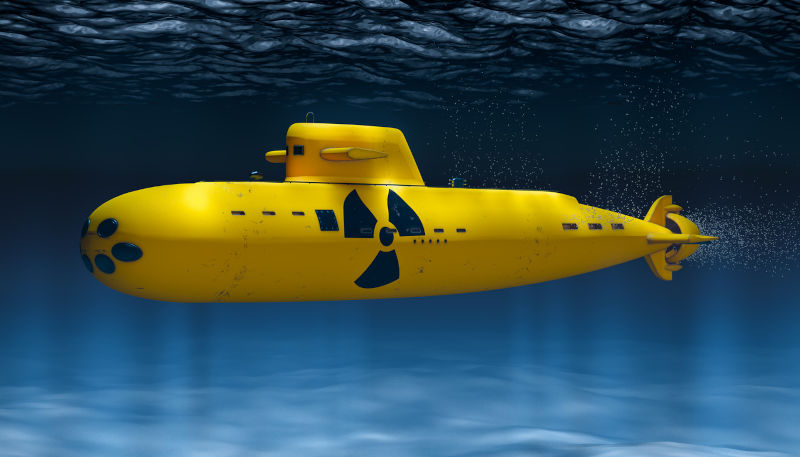
Former prime minister Malcolm Turnbull says there is a ‘very, very high’ chance Virginia-class subs will never arrive under Australian control.
Ben Doherty, 28 July 25, https://www.theguardian.com/world/2025/jul/28/aukus-australia-nuclear-submarines-us-subs-navy-admiral
The US cannot sell any Virginia-class nuclear submarines to Australia without doubling its production rate, because it is making too few for its own defence, the navy’s nominee for chief of operations has told Congress.
There are “no magic beans” to boosting the US’s sclerotic shipbuilding capacity, Admiral Daryl Caudle said in frank evidence before a Senate committee.
The US’s submarine fleet numbers are a quarter below their target, US government figures show, and the country is producing boats at just over half the rate it needs to service its own defence requirements.
Testifying before the Senate Committee on Armed Services as part of his confirmation process to serve as the next chief of naval operations, Caudle lauded Royal Australian Navy sailors as “incredible submariners”, but said the US would not be able to sell them any boats – as committed under the Aukus pact – without a “100% improvement” on shipbuilding rate
The US Navy estimates it needs to be building Virginia-class submarines at a rate of 2.00 a year to meet its own defence requirements, and about 2.33 to have enough boats to sell any to Australia. It is currently building Virginia-class submarines at a rate of about 1.13 a year, senior admirals say.
“Australia’s ability to conduct undersea warfare is not in question,” Caudle said, “but as you know the delivery pace is not what it needs to be to make good on the pillar one of the Aukus agreement which is currently under review by our defence department”.
Caudle said efficiency gains or marginal improvements would not be sufficient to “make good on the actual pact that we made with the UK and Australia, which is … around 2.2 to 2.3 Virginia-class submarines per year”.
“That is going to require a transformational improvement; not a 10% improvement, not a 20% improvement but a 100% improvement,” he said.
Under pillar one of the Aukus agreement, Australia is scheduled to buy between three and five Virginia-class nuclear-powered submarines from the US, starting in 2032.
The UK will build the first Aukus-class submarine for its navy by “the late 2030s”. The first Australian-built Aukus boat will be in the water “in the early 2040s”. Aukus is forecast to cost Australia up to $368bn over 30 years.
US goodwill towards Australia, or the import of the US-alliance, would be irrelevant to any decision to sell submarines: Aukus legislation prohibits the US selling Australia any submarine if that would weaken US naval strength.
Australia has already paid $1.6bn out of an expected total of $4.7bn (US$3bn) to help the US boost its flagging shipbuilding industry.
But the US itself has been pouring money into its shipbuilding yards, without noticeable effect.
A joint statement on “the state of nuclear shipbuilding” issued by three rear admirals in April noted that while Congress had committed an additional US$5.7bn to lift wages and shipyard productivity, “we have not observed the needed and expected ramp-up in Columbia-class and Virginia-class submarine production rates necessary”.
Caudle, himself a career submariner, said the US would need “creativity, ingenuity, and some outsourcing improvements” if it were to meet its shipbuilding demands and produce 2.3 Virginia-class vessels a year.
“There are no magic beans to that,” he told the Senate hearing. “There’s nothing that’s just going to make that happen. So the solution space has got to open up.”
‘Why is there no plan B?’
The former prime minister Malcolm Turnbull, who first reported on Caudle’s testimony to the Senate, told the Guardian that there was “no shortage of goodwill towards Australia” from the US in relation to Aukus, but the realities of a shortfall of submarines meant there was a “very, very high” probability that Virginia-class submarines would never arrive under Australian control.
Turnbull said the language coming from US naval experts was “framing expectations realistically”, essentially saying that, without dramatic reform, the US could not sell any of its Virginia-class boats. With the Collins class nearing the end of their service lives, and the Aukus submarine design and build facing delays in the UK, Australia could be left without any submarine capability for a decade, potentially two, Turnbull argued.
“The risk of us not getting any Virginia-class submarines is – objectively – very, very high. The real question is why is the government not acknowledging that … and why is there no plan B? What are they doing to acquire alternative capabilities in the event of the Virginias not arriving?”
Turnbull – who, as prime minister, had signed the diesel-electric submarine deal with French giant Naval that was unilaterally abandoned in favour of the Aukus agreement in 2021 – argued the Australian government, parliament and media had failed to properly interrogate the Aukus deal.
“When you compare the candour and the detail of the disclosure that the US Congress gets from the Department of the Navy, and the fluff we get here, it’s a disgrace. Our parliament has the most at stake, but is the least curious, and the least informed.
On Friday, the defence minister, Richard Marles, told reporters in Sydney “work on Aukus continues apace”.
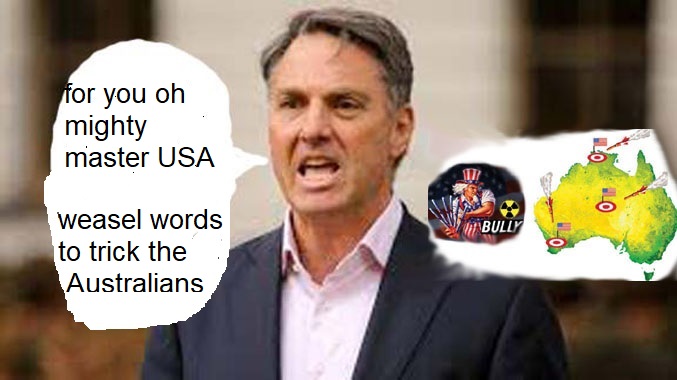
“We continue to work very closely … with the United States in progressing the optimal pathway to Australia acquiring a nuclear-powered submarine capability,” he said.
“In respect of the production and maintenance schedule in the United States, we continue to make our financial contributions to that industrial base.”
Marles cited the $1.6bn paid to the US to boost its shipbuilding industry already this year, with further payments to come, and said that 120 Australian tradespeople were currently working on sustaining Virginia-class submarines in Pearl Harbor.
“All of that work continues and we are really confident that the production rates will be raised in America, which is very much part of the ambition of Aukus.”
The Guardian put a series of questions to Marles’s office about Caudle’s Senate testimony.
Out of Step with the World: Australia’s Refusal to Recognise Palestine is a Moral Failure
27 July 2025, Michael Taylor, https://theaimn.net/out-of-step-with-the-world-australias-refusal-to-recognise-palestine-is-a-moral-failure/
In a world that is finally waking up to the urgent need for justice and peace in the Middle East, Australia has chosen silence and hesitation. While 147 of the 193 United Nations member states have formally recognised the State of Palestine – including France, Spain, Ireland, and Norway – Australia continues to sit on its hands. This refusal is not only out of step with global momentum; it is out of step with the values of fairness, dignity, and the will of the Australian people.
Recognition of Palestine is not an endorsement of violence, nor is it a rejection of Israel’s right to exist. It is a simple acknowledgement that the Palestinian people – stateless for 76 years – deserve the same rights and recognition afforded to others. It is a step toward equality, toward dialogue, and ultimately toward peace.
Yet Australia clings to a failed policy of “not yet” – as though Palestinian dignity must forever be postponed for fear of offending a powerful ally. In doing so, our government aligns itself not with justice or international law, but with the shrinking minority of countries who continue to look the other way.
This decision does not reflect the views of the Australian public. Poll after poll shows a majority of Australians support Palestinian statehood and an end to the occupation. We are a people who believe in the fair go, in standing up for the underdog, in peace over power. And yet, our government refuses to act – cowed by geopolitical caution and domestic political pressure.
Refusing to recognise Palestine is not a neutral act. It is a political choice – one that undermines the international consensus, emboldens the status quo, and tells the Palestinian people that their suffering is invisible.
Australia once stood tall in the fight against apartheid. We helped build international pressure that led to its end in South Africa. Why, then, do we hesitate now?
If we truly believe in a two-state solution – if we truly believe in peace – then we must recognise both states. It is time for Australia to find its moral courage and join the vast majority of the world in recognising Palestine.
Justice delayed is justice denied.
An Israel voice to Parliament? | Scam of the Week
20 Jul 2025 The West Report playlist
Albo heads to China, gets blasted for no good reason. Angus Taylor wants to pack us off to a US war against China to save Taiwan and The Voice (that one for First Australians) might have failed but somehow Jillian Segal has established a Israel’s Voice to Parliament without a referendum. somehow Voice to Parliament, pushing censorship under the guise of antisemitism. Elsewhere, Nine, CBA’s Mat Comyn and much more.
Welcome to #auspol Scam of the Week.
00:00 — Albo’s China Win
02:45 — Angus Taylor Talks War 04:00 — Sky News & Barnaby Blow-Up
05:15 — Jill Segal’s Antisemitism Push
07:07 — Nine vs Israel Lobby in Court 08:50 — Beer Garden Journalism
09:35 — Bradfield Challenge & Wealth Tax Uproar
10:30 — Fake AS Plots & The Netanyahu Voice
13:10 — Jill Segal’s Report & IHRA Plan
15:00 — Albo’s No-Win Game
17:01 — SOTW Winner
Jillian Segal and the Israel Lobby’s TERRIFYING Plan for Australia
Join criminal lawyer Nick Hanna as he investigates Jillian Segal, her history of pro-Israel lobbying, and why her so-called plan to combat antisemitism threatens to undermine free speech in Australia.
0:00 Intro
1:38 Who is Jillian Segal?
3:39 Antisemitism vs anti-zionism
5:48 IHRA definition of antisemitism
7:50 The pro-Israel lobby’s IHRA campaign
16:18 Appointment of Segal as Special Envoy to Combat Antisemitism
18:15 Why was Segal chosen?
20:13 Segal x Australia-Israel Chamber of Commerce
24:35 Does Segal have a conflict of interests? 28:17 Segal x Weizmann Institute of Science
29:31 The Plan to Combat Antisemitism
39:35 Outro
The What & The Why is an investigative journalism podcast by criminal lawyer and filmmaker, Nicholas Hanna.
AUKUS Submarine Regulations: FoE Adelaide submission
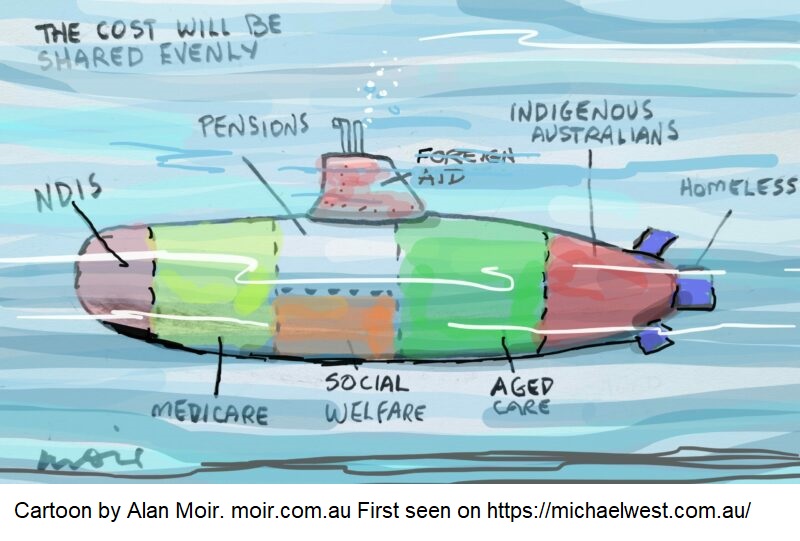
Friends of the Earth Adelaide > Publications > Adelaide FoE Notes > AUKUS Submarine Regulations: FoE Adelaide submission
Philip White July 24, 2025, https://adelaidefoe.org/aukus-submarine-regulations-foe-adelaide-submission/
Friends of the Earth Adelaide today (24 July 2025) sent a submission in response to the government’s call for public comments on draft Australian Naval Nuclear Power Safety Regulations. These Regulations were drafted under the Australian Naval Nuclear Power Safety Act, which was passed in October last year. Our submission can be accessed here.
The consultation is open until 30 July 2025. Details can be found on the following web site: https://www.defence.gov.au/about/reviews-inquiries/australian-naval-nuclear-power-safety-regulations-public-consultation
FoE Adelaide’s submission can be summarised as follows:
— AUKUS should be cancelled. It compromises Australia’s sovereignty and is not in our strategic, economic, or environmental interests.
— If it is not cancelled, there should be a proper consultation about the Stirling and Osborne designated zones, which were declared in the Australian Naval Nuclear Power Safety Act without consultation.
— The principles of “free, prior and informed consent” should be followed in siting any site for storage and disposal of radioactive waste.
— That includes respecting laws of State and Territory governments that restrict or prohibit siting of nuclear waste facilities.
— The Regulator must be completely independent of the Defence portfolio. In the current proposal it will be answerable to the Minister for Defence.
— All submissions should be published in full, unless the submitter specifically requests otherwise. Government representatives informed us on 17 July at a public forum in Port Adelaide that they only intend to publish a summary put together by bureaucrats.
It’s A Genocide, But It’s Also So Much More Than That
Caitlin Johnstone, Jul 23, 2025, https://www.caitlinjohnst.one/p/its-a-genocide-but-its-also-so-much?utm_source=post-email-title&publication_id=82124&post_id=169008966&utm_campaign=email-post-title&isFreemail=true&r=1ise1&triedRedirect=true&utm_medium=email
The mass atrocity in Gaza is a genocide, obviously, and is an undisguised ethnic cleansing operation.
But it’s also a lot more than that.
It’s an experiment — to see what kinds of abuses the public will accept without causing significant disruption to the imperial status quo.
It’s a psychological operation — to push out the boundaries of what’s normal and acceptable in our minds so that we will consent to even more horrific abuses in the future.
It’s a symptom — of Zionism, of colonialism, of militarism, of capitalism, of western supremacism, of empire-building, of propaganda, of ignorance, of apathy, of delusion, of ego.
It’s a manifestation — of violent racist, supremacist and xenophobic belief systems that have always been there but were previously restrained, meeting with the unwholesome nature of alliances that have long been in place but have been aggressively normalized.
It’s a mirror — showing us accurately and impartially who we currently are as a civilization.
It’s a disclosure — showing us what the western empire we live under really is underneath its fake plastic mask of liberal democracy and righteous humanitarianism.
It’s a revelation — showing us who among us really stands for truth and justice and who has been deceiving us about themselves and their motives this entire time.
It’s a catalyst — a galvanizing force and a rallying cry for all who realize that the murderous power structures we live under can no longer be allowed to stand, and a blaring alarm clock opening more and more snoozing eyes to the need for revolutionary change.
It’s a test — of who we are as a species and what we are made of, and of whether we can transcend the destructive patterning that is driving humanity to its doom.
It’s a question — asking us what kind of world we want to live in going forward, and what kind of people we want to be.
It’s an invitation — to become something better than what we are now.
Trillion dollar AUKUS subs plus nuclear waste in perpetuity?
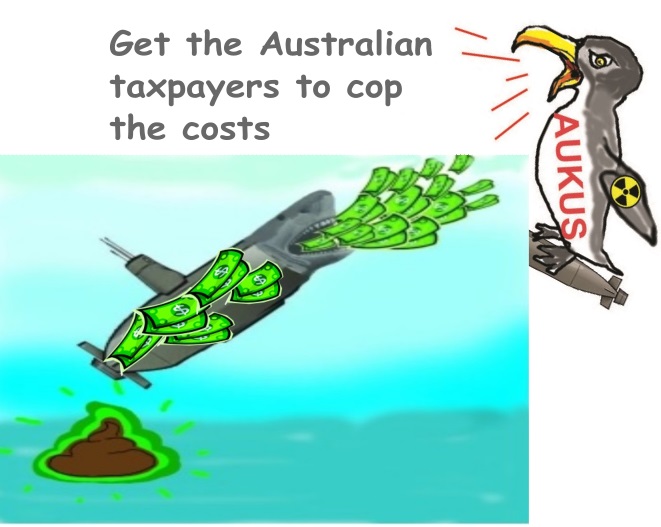
by Rex Patrick | Jul 22, 2025 , https://michaelwest.com.au/trillion-dollar-aukus-subs-plus-nuclear-waste-in-perpetuity/
Everything about AUKUS nuclear waste is a political secret, including the cost, which will more than double the $368B announced AUKUS price tag. Former submariner Rex Patrick with the story.
Rex Patrick with the story.
If we ever get these subs, the total price tag may well be over $1 trillion. I’m in the Federal Court at present, trying to pry open a November 2023 report into how the Government intends to deal with the high-level nuclear waste from AUKUS submarines.
But there’s already a lot we can deduce by combining what has been extracted from the Government using Freedom of Information (FOI) laws, from Senate testimony and also looking at how the United States does and doesn’t take care of its naval nuclear waste.
Cost explosion
For starters, there was a short but insightful exchange in Senate Estimates last year between Senator Lidia Thorpe and the head of the Australian Submarine Agency (ASA), Admiral Jonathon Mead.
After making quick reference to the cost of nuclear waste facilities overseas, Senator Thorpe asked about the waste costs for AUKUS, “There’s no costing as yet; is that right?” Mead responded, “That’s correct”.
For an organisation that is required to cost its capability from cradle to grave, including support facilities, it’s a huge omission. It might be the case that
“they’re too frightened to do the math.”
As I will set out below, the price of safely storing AUKUS waste is likely to double the AUKUS price tag. But first, we need to take a look at what radioactive waste AUKUS will produce and what will be done with it.
Low-level waste
We know that Australia’s nuclear-powered submarines will produce small amounts of low-level waste every year (disposable gloves, wipes, reactor coolant and Personal Protective Equipment). ASA Senate Estimates briefs obtained under FOI suggest that this will amount to “roughly the volume of a small skip bin each year.”
This, along with low-level waste from US and UK submarines operating out of Perth, will be stored at HMAS Stirling until the Australian Waste Management Agency builds and commissions the National Radioactive Waste Management Facility.
Barely noticed by the national media, the Parliamentary Standing Committee on Public Works approved the construction of a ‘Controlled Industrial Facility’ at HMAS Stirling in August 2024.
High-level waste
When each AUKUS submarine decommissions, Australia will need to handle the recovery, transport, storage and disposal of two different types of high-level nuclear waste: spent nuclear fuel, about the size of a small hatchback, and the reactor compartment, about the size of a four-wheel drive.
Noting the total lack of transparency around Australia’s plans, MWM is making a reasonable assessment as to how this waste will be handled by looking to the US.
Fuel rods will be removed from the submarine at a decommissioning yard (possibly Henderson in WA for the Virginia Class and Osborne in SA for the SSN-AUKUS submarines).
The hull is cut open, and a defueling enclosure is installed on the submarine to provide a controlled work area. The fuel is removed into a shielded transfer container and moved to a wharf enclosure. It’s then placed into a specially designed shipping container for transfer to, in the case of the US, an intermediate ‘storage site’ in Idaho. Despite 70 years of nuclear-powered submarine operations (USS Nautilus was commissioned in 1955), the US has not yet sorted out its long-term ‘disposal site’.
It is not clear whether Australia will have an intermediate ‘storage site’ and a ‘disposal site’ or a combined site. Certainly, both storage and disposal are talked about in the information that has been released under FOI.
Australia is not permitted, by the text of the AUKUS Treaty and by commitments made to the International Atomic Energy Agency, to reprocess the fuel. Reprocessing involves separating the plutonium and fissile uranium from the spent fuel to reduce the amount of spent fuel that needs to be stored long term, but doing so raises nuclear weapon proliferation concerns.
For Australia, we have to find a geologically suitable place to bury the fuel in the state it was when it left the submarine. Whilst the Defence Minister has declared this will be on ’Defence land’, the ASA can identify a news site and the Minister can compulsory acquire it – anywhere in Australia.
Reactor compartment
To deal with the reactor compartment, all of the elements of the reactor that will remain in the compartment – the pressure vessel, piping, tanks and fluid system components – are drained to the maximum extent practicable. About 2% of the liquid remains trapped in discrete pockets.
All openings are then sealed.
The reactor compartment is then cut from the submarine, and with the pressure hull remaining as part of the disposal package, the high-strength steel serves as an outer seal.
In the United States, the reactor compartment is transported to “Trench 94” in Washington state.
It is not yet known whether the Australian Government will bury the reactor compartments in a final disposal site.
Looking after high-level nuclear waste is complex. You can’t responsibly just bury it or dump it in a deep mine shaft.
Nuclear waste facility
A waste facility must be carefully located, away from seismic activity, away from flooding and other weather events and generally where geological structure allows for deep, very long-term storage. Geoscience Australia has looked at suitable locations for a high-level radioactive Waste store on occasions between 1976 and 1999 (subject to a National Archives request).
It must also be located with suitable transport pathways from the submarine dismantling yard or possibly several yards.
The site must be prepared and built/bored. It must have access to electricity supplies, water, communications and sewerage. It must allow for the safe receipt and storage of fuel and the reactor compartments, it must be resilient to loss of heating or ventilation, loss of electricity, flow blockages, structural failures, etc.
“It must be resilient for well over a millennium.”
It must also be designed with the necessary security in mind, with access control, constant monitoring, intrusion detection and central alarms in place, and be secure in relation to protest and sabotage and have a co-located response capability. It must provide for safe long-term storage, with multiple barriers in place to prevent release of radioactive material, and be designed to deal with large accidental radioactive releases.
At the same time, the facility will be subject to international non-proliferation safeguards overseen by the International Atomic Energy Agency, which will require periodic access and perhaps remote monitoring and surveillance.
It will likely need a level of remoteness, but be able to be staffed by relevantly qualified personnel, and to receive surge responders in the event of an emergency.
Design and construction would take close to ten years.
What will it take?
The Government has committed to consultation as it selects a site for long-term disposal, yet the law does not require it.The decision to locate a National Radioactive Waste Management facility at Kimba in South Australia involved a lot of communication, some consultation, but very little listening. The Federal Court ultimately found that the decision-making process for that site was seriously flawed. The Liberals get a D minus.
Labor got the Parliament to declare both HMAS Stirling in Perth and the shipyard precinct at Osborne in Adelaide a ‘designated zone’ for nuclear activities. There was no consultation, so they get an F.
Section 10(2)(c) of the Australian Naval Nuclear Power Safety Act 2024 allows the minister to designate more zones. The consultation can be of a ‘tick-the-box’ nature.
While we don’t know what the cost of an underground storage/disposal facility would be, documents released under FOI show that a 2019 cost estimates study by Altus Expert Services placed the cost of an above ground facility at Kimba at $923 million. We could reasonably expect a deep storage facility could cost billions.
Then there are the ongoing operational costs of the facilities, over several hundred years.
Even at an annual cost of only $30 million per annum, that’s close to $4B over 120 years. And if the site is then sealed for 100,000 years, as the Finnish intend to do with their underground facility, there’s even more cost. Even if monitoring of sealed waste only cost 1/10th of the yearly operating cost, say $3million, the cradle-to-grave cost of dealing with AUKUS high level waste will add up to more than $300 billion; $300B that seems to have slipped ASA’s minds.
One thing’s for sure, there’s been too much secrecy around this radioactive hot potato. Maybe things will fall my way in the Federal Court. But it would be much better if the Government was just be up-front with everyone, particularly as we tax-payers have to pay for it.
Rex Patrick
Rex Patrick is a former Senator for South Australia and, earlier, a submariner in the armed forces. Best known as an anti-corruption and transparency crusader, Rex is also known as the “Transparency Warrior.”
Nuclear news this week (not the corporate spin)

Some bits of good news – 4.6 Billion Years On, the Sun Is Having a Moment – In the past two years, without much notice, solar power has begun to truly transform the world’s energy system.
Sweden becomes the first country in the world to ensure all egg-laying chickens are cage-free — without any laws requiring it.
Two more nations defeated a debilitating disease
TOP STORIES.
Israeli Minister: ‘Gaza must be in Ruins for Decades,’ as Airstrike Kills Children seeking Water.
Trump’s Weapons Magic Show is Smoke & Mirrors Masterclass. Trump Asked Zelensky If He Could Strike Moscow If the US Provided Longer-Range Weapons.
Nuclear waste exposure in childhood associated with higher cancer incidence. New Study on Cancers near NPPs: additional comments.
Poisone.d water and scarred hills
From the archives. Toxic radioactive legacy of rare earths processing plan.
Climate. Wildfires: Could this be the worst year ever? – ALSO AT https://nuclear-news.net/2025/07/15/2-b1-wildfires-could-this-be-the-worst-year-ever/
‘Keeping us hooked on fossil fuels’: how can we negotiate with autocracies on the climate crisis?
AUSTRALIA. Australia must rethink AUKUS and assert its sovereignty. Australia Unveils Plan To Fight “Antisemitism” By Crushing Free Speech.
NUCLEAR ITEMS
ECONOMICS.
- Ministers set to admit Sizewell C nuclear plant price-tag has soared to£38bn – ALSO AT https://nuclear-news.net/2025/07/21/1-a-ministers-set-to-admit-sizewell-c-nuclear-plant-price-tag-has-soared-to38bn/ Sizewell C | Investor withdraws from consortium set for 25% stake. UK’s nuclear push may hand investors a cushy deal. Oxford fusion pioneer risks running out of cash within months.
- Small Nuclear Reactor company’s focus turns to raising $500+ million– ALSO AT https://nuclear-news.net/2025/07/18/2-b1-small-nuclear-reactor-companys-focus-turns-to-raising-500-million/
- Peace River nuclear power project: The hidden cost.
- EU opens door to funding nuclear energy in next budget
EDUCATION. Local website reveals city’s secret nuclear weapons programme. The Militarization and Weaponization of Media Literacy-NATO Invades the Classroom. |
| EMPLOYMENT. Workers at Hinkley Point C nuclear plant stage wildcat strike over alleged bullying. Construction workers walk out at Hinkley Point C |
| ENERGY. Nuclear power is a parasite on AI’s credibility. |
| ETHICS and RELIGION. 80 Years After Trinity |
| HEALTH. Ian Fairlea critiques New Study on Cancers near UK nuclear facilities. Mental health.Cognitive collapse and the nuclear codes: When leaders lose control |
| HISTORY. 80 Years Ago: The First Atomic Explosion, 16 July 1945. |
| HUMAN RIGHTS. Francesca Albanese: “A revolutionary shift is underway”. |
| MEDIA. Remembering the radical anti-nuclear Greenham Women’s Peace Camp.The New York Times Finally Stops Avoiding The G-Word. |
| OPPOSITION to NUCLEAR . “They want to impose a whole nuclear world on us without asking our opinion”: activists fight against the Orano nuclear fuel pools project. – ALSO AT https://nuclear-news.net/2025/07/21/1-b-they-want-to-impose-a-whole-nuclear-world-on-us-without-asking-our-opinion-activists-fight-against-the-orano-nuclear-fuel-pools-project/ Northern Ontario residents oppose plan to dump radioactive material near drinking water source. |
| PERSONAL STORIES. Ex-UN Special Rapporteur Says Francesca Albanese Deserves Nobel Prize, Not US Sanctions. |
| POLITICS. We’ll stop Nimbys from blocking nuclear power stations, say Tories- ALSO AT https://nuclear-news.net/2025/07/20/2-b1-well-stop-nimbys-from-blocking-nuclear-power-stations-say-tories/Call for evidence on building nuclear for a new UK “golden age of clean energy abundance”. THE END FOR ZELENSKY? |
| POLITICS INTERNATIONAL and DIPLOMACY.In a historic gathering, 12 countries announce Israel sanctions and renewed legal action to end Gaza genocide. Trump sprang Ukraine surprise on NATO states – Reuters. Iran to hold nuclear talks with European powers on Friday. Trump threatens to bomb Iran again if it builds new nuclear plants. Iran says nuclear site attack proved military option is futile. Iran pushes back on EU pressure as clock ticks on nuclear talks. |
SAFETY.
- Trump’s nuclear power push weakens regulator and poses safety risks, former officials warn. US DOGE (Department of Government Efficiency) told regulator to ‘rubber stamp’ nuclear.
- Improvements required at Sellafield after lead oxide release. Office for Nuclear Regulation says its ‘insufficient organisational capability’ is increasing strategic risk – ALSO AT https://nuclear-news.net/2025/07/21/1-b1-office-for-nuclear-regulation-says-its-insufficient-organisational-capability-is-increasing-strategic-risk/
- Pay danger money to communities impacted by nuclear projects, say NFLAs.
- Incidents. IAEA Director General Statement on Situation in Ukraine.
WAR and CONFLICT. U.S. and Israeli strikes on Iran could fuel a new wave of nuclear proliferation. New reports cast doubt on impact of US strikes on Iran’s nuclear sites.
Japanese Doctor Picked for U.N. Panel on Nuclear War Impact.
Hiroshima to Today: Confronting the Nuclear Threat.
WEAPONS and WEAPONS SALES.
- U.S. Military Launches MASSIVE Drills to Prepare for WAR with China | KJ Noh – https://www.youtube.com/watch?v=UfHiRlHD3ZY
- Hungary Refuses To Finance US Weapons for Ukraine.
- Trump Announces Weapons Plan for Ukraine, Gives Russia 50-Day Deadline for Tariffs.
- Here is why you should support the Global Network’s Golden Dome statement:
Sanction Israel Now – APH Convergence

22 July 2025 AIMN Editorial, https://theaimn.net/sanction-israel-now-aph-convergence/
NATIONAL CONVERGENCE ON CANBERRA DEMANDS THE AUSTRALIAN GOVERNMENT SANCTION ISRAEL NOW
Advocates for justice and human rights from across the continent will converge at Parliament House Canberra from Sunday, 20 July 2025 to Tuesday, 22 July 2025 to demand that the Australian government immediately impose sanctions on the state of Israel.
Over the last 77 years, the Israeli government has openly committed genocide and crimes against humanity against the Palestinian people without consequence. Over the last 21 months, we have witnessed an escalation of these atrocities as Israel flaunts its human rights violations and contraventions of international law before the eyes of the world.
Despite international law compelling states including Australia to take action to prevent these atrocity crimes, the Australian government has failed to take meaningful action by imposing boycotts, divestments and sanctions on the genocidal state. Instead, it has opted to remain friends and allies with, and supply weapons to, a state openly committing gross human rights violations.
“Palestinian men, women and children are being massacred and starved to death before the eyes of the world. All eyes are on Gaza but no one is willing to do anything to help ” said Nasser Mashni, Australia Palestine Advocacy Network President.
Israel has sought to cripple Gaza by imposing a blockade, bombing hospitals and manufacturing a famine. Repeated human rights violations have been documented while states, including Australia remain reluctant to take concrete action.
Noura Mansour, Democracy in Colour National Director said that “We are witnessing a humanitarian and global catastrophe. We have been asking the international community to stop these atrocities for over 77 years. The escalation and atrocities we are witnessing today are a direct result of Palestinians being ignored since 1948.”
The Australian government remains complicit in the genocide, occupation and crimes against humanity being committed against the Palestinian people by the Israeli government.
We remain steadfast in demanding the Australian government take immediate action to pressure Israel to abide by international law by imposing sanctions.
“We have been constantly demanding that the Australian government impose sanctions and an arms embargo on Israel for over 21 months. Despite the constant bombardment, starvation and brutality, the Australian government is reluctant to take any concrete action. Instead, it has shamefully chosen to take the side of the oppressor” said Activist and Organiser, Sarah Baarini.
We call on the community from every corner of the continent to converge at the centre of decision making on this colony, for the opening of Parliament, to send a clear and strong message that the people remain united and demand that the Australian government
SANCTION ISRAEL NOW
“We will not be passive in the face of injustice. Every second that passes without meaningful action taken by those in power is another second too late. Time is truly of the essence. We are already 77 years too late – we can not afford to wait a second more. We will not stop and we will not rest – we will continue to resist and demand justice until Palestine is free, from the river to the sea” said Dan, Renegade Activist and Political Staffer.
ENDORSED BY:
Academics for Palestine – South Australia
Academics for Palestine WA
ACT Greens
ANMF nurses and midwives for Palestine
ANU 4 Palestine
Anak Bangsa Malaysia
Australia Palestine Advocacy Network
Australia’s Voice
Australian MADE (Muslim Adolescent
Development & Education) Inc
Australian Greens First Nations Network
Australian Social Workers for Palestine
ASU for Palestine
Banyule Palestine Action Group
Canberra Islamic School
Canberra Palestine and Climate Justice
Central Coast Friends of Palestine
Central West New South Wales 4 Palestine
Climate Activists for Palestine
Climate Justice Alliance Northern Rivers
Coalition for Justice and Peace in Palestine
Connecting the dots
Conversations For Palestine
Darebin for Palestine
Defend Dissent Coalition
Democracy in Colour
Disrupt Burrup Hub
Disrupt Wars
DrummersforPalestine
Education4Palestine
Extinction Rebellion
Extinction Rebellion ACT
Extinction Rebellion Peace – XR Peace
Fairfield for Palestine
Families For Palestine
Food Not Bombs Gadigal/Sydney
Fowler for Palestine
Free Gaza Australia
Free Palestine Central Vic
Free Palestine Coalition Naarm
Free Palestine Far North Queensland
Free Palestine Frankston
Free Palestine Gippsland
Free Palestine Melbourne
Free Palestine Newcastle
Free Palestine Sunbury
Free Palestine Townsville
Free Palestine Wurruk
Friends of Palestine Western Australia
Green Left
Greens (WA) Inc
Happily Made
Health Workers 4 Palestine (South
Australia)
Healthcare Workers for Palestine WA
Hobsons Bay 4 Palestine
Hunter Asylum Seeker Advocacy
Hume for Palestine
Independent and Peaceful Australia
Network (IPAN)
Independent and Peaceful Australia
Network ACT
Inner West for Palestine
Institute for Collaborative Race Research
IPAN Geelong and Southwest Victoria
Ireland Palestine Solidarity ‘Australia’Islamic Association of Monash Mosque
Islamic Council of Victoria
Jewish Council of Australia
Jews Against the Occupation ‘48
Jews for Palestine WA
Justice for Palestine Magan-djin
Law Students For Refugees
Loud Jew Collective
Lutruwita Socialist Alliance
MAA International
Maribyrnong 4 Palestine
Melbourne for Palestine
Menzies for Palestine
Merri-bek & Northern Suburbs 4 Palestine
Mountains for Palestine
Mparntwe for Falastin
Mums For Palestine
Muslim Collective
Muslim Votes Matter
Naarm Frontline Medics
National Amnesty Refugee Network
Newcastle Mums For Palestine
Nillumbik 4 Palestine
No AUKUS Coalition Victoria
No Weapons for Genocide
Northern Naarm Action for Palestine
Northern Rivers Friends Of Palestine
NTEU for Palestine
Our Race Community
Palestine Action Group Canberra
Palestine Action Group Muloobinba
Palestine Action Group Sydney
Palestine Action Group Warrnambool
Palestine Justice Movement Sydney
Peoples Climate Assembly
Perth Doctors Medical Aid For Palestine
Prams for Palestine
Queensland Muslims Inc.
Readers and Writers against the Genocide
Red Spark
RESISTANCE
Rising Tide
Sit Intifada
Socialist Alliance
South Australian Grassroots Ecosystem
(SAGE)
Stop Arming Israel
Students for Palestine
Students for Palestine WA
Students For Palestine UTS
Sundays For Peace – Wagga Wagga
Sydney Hearts in Action
Tasmanian Palestine Advocacy Network
Teachers and Families for Palestine,
Northern Territory
Teachers and School Staff for Palestine
NSW
The Greens NSW
The Greens SA
The Initiative for a Moral Economy
The Socialist Party
The Victorian Greens
Tomorrow Movement
Total Liberation Alliance
Treaty Council Worldwide
Unionists for Palestine WA
Wage Peace
WA Socialists
Watermelon Rebellion
Women’s Climate Justice Collective
Yarra Ranges For Palestine
Australia must rethink AUKUS and assert its sovereignty

16 July 2025 AIMN Editorial, By John Sherman , https://theaimn.net/australia-must-rethink-aukus-and-assert-its-sovereignty/
Australia stands at a crossroads, facing mounting pressure from an AUKUS partnership that increasingly compromises its sovereignty. The trilateral agreement with the United States and United Kingdom, initially framed as a strategic alliance to bolster regional security, has evolved into a complex web of demands that risks binding Australia to U.S. interests for decades. This shift raises serious concerns about our foreign policy autonomy and economic relationships with key trading partners, particularly China.
The original AUKUS framework promised mutual benefit, but recent U.S.-driven stipulations have tilted the balance, treating Australia as a subordinate rather than an equal partner. Australians are expressing a growing unease: AUKUS is now a leash on our independence. The agreement’s expanding scope now threatens to dictate Australia’s foreign policy, potentially straining ties with Asia-Pacific neighbours vital to our economy. This is not the partnership we signed up for.
Defence Minister Richard Marles must take a firmer stance. His apparent acquiescence to these demands undermines Australia’s interests. If he cannot renegotiate terms that prioritise our sovereignty, he should step aside for leadership capable of navigating this complex geopolitical landscape. Australia deserves a minister who can assert our position as a confident middle power, not one tethered to U.S. policy.
The Trump administration’s approach, as seen in its dealings with African nations, offers a cautionary tale. Countries like Nigeria and South Africa have rejected similar U.S. agreements laden with restrictive conditions, opting instead for partnerships that respect their autonomy. Australia should take note. Our alliances must serve our national interests, not entangle us in great-power rivalries that destabilise the region.
Global challenges – climate change, resource scarcity, and economic recovery – demand unity, not division. Australia must champion a future where nations collaborate as equals, not as pawns in a superpower’s strategy. By reevaluating AUKUS and asserting our independence, we can lead by example, fostering a world that prioritises collective progress over zero-sum conflicts. The time for bold, principled leadership is now.
Toxic radioactive legacy of rare earths processing plan

Industrial health expert T Jayabalan told FMT that he lived in Bukit Merah for three years during the 1980s, “collecting data” on the residents there. According to him, Lai Kwan and Cheah were only two of the many people he studied before presenting his findings to Malaysian courts. “Birth defects still exist,” he said, “and the number of miscarriages is incredibly high. Even if a foetus survives, it can still be born with leukemia and brain damage.”
“I’ve seen it happen with my own eyes. I’ve seen the suffering of these people. The only good thing about Lynas is that it hasn’t happened yet.”
 (includes VIDEO) Inside the world of a radiation victim, Free Malaysia Today Patrick Lee, November 24, 2011 VIDEO Tan Chui Mui’s short documentary is also about a mother’s undying love. Cheah was born in 1983, a year after Lai Kwan worked as a bricklayer at the Mitsubishi rare earth plant in Bukit Merah, Perak.
Cheah has multiple congenital defects, including a hole in the heart. He is also mentally deficient and virtually blind. And Lai Kwan is beside her son nearly every hour of her life, as portrayed in a short film entitled “Lai Kwan’s Love”…..
she tells the camera that she had no idea that the rare earth plant where she worked was handling toxic materials.
“We were working at the factory’s extension site. We didn’t know what kind of factory it was. We simply worked there….
Lai Kwan said she had not received compensation for her son’s disability, and that two men attempted to pay her into keeping quiet over Cheah.
“They asked me not to say my son’s sickness is related to the rare earth plant. I said I didn’t want the money, whatever the amount was. If I take your money, I said, and your factory continues to operate here, more newborns will get sick. What good is the money then?”
The film is the second in a four-part series called “Survival Guide Untuk Kampong Radioaktif”, a project designed to show viewers the adverse effects of radiation.
The Asian Rare Earth plant in Bukit Merah was closed in 1992 following years of protests from local residents. The area is still going through a massive RM303 million clean-up by Mitsubishi Chemicals.
None of the people in Bukit Merah were compensated, although Mitsubishi Chemicals donated RM500,000 to the community’s schools in an out-of-court settlement.
Locals in the 11,000-large town have blamed the plant for the population’s many birth defects and eight leukemia cases. Seven of the leukemia cases have since died……
Birth defects still exist’
Industrial health expert T Jayabalan told FMT that he lived in Bukit Merah for three years during the 1980s, “collecting data” on the residents there.
According to him, Lai Kwan and Cheah were only two of the many people he studied before presenting his findings to Malaysian courts. “Birth defects still exist,” he said, “and the number of miscarriages is incredibly high. Even if a foetus survives, it can still be born with leukemia and brain damage.”
Jayabalan also said that many people associated with Bukit Merah had since passed away, including “lawyers and plaintiffs” involved with the case.
“They died of cancer. Some of them died very young.”
He said he worried that the controversial Lynas rare earth plant near Kuantan, which is expected to see operations begin early next year, would see a “tenfold” effect.
“The amount of metals to be used is huge compared to Bukit Merah, and it’s going to leak, and these areas (in Kuantan) are prone to flooding,” he said.
“I’ve seen it happen with my own eyes. I’ve seen the suffering of these people. The only good thing about Lynas is that it hasn’t happened yet.”
http://www.freemalaysiatoday.com/2011/11/24/inside-the-world-of-a-radiation-victim/
Australia Unveils Plan To Fight “Antisemitism” By Crushing Free Speech.
Caitlin Johnstone, Jul 11, 2025, https://www.caitlinjohnst.one/p/australia-unveils-plan-to-fight-antisemitism?utm_source=post-email-title&publication_id=82124&post_id=168051227&utm_campaign=email-post-title&isFreemail=true&r=ln98x&triedRedirect=true&utm_medium=email
As Australia’s dear friend Israel announces its plan to move Gaza’s entire population into concentration camps to prepare them for deportation and murder them if they refuse, the Australian government is laser-focused on tackling the problem of — you guessed it — antisemitism.
Prime Minister Anthony Albanese made a big spectacle of announcing a new strategy to combat Australia’s completely fictional epidemic of “antisemitism” on Thursday, waving around a 20-page plan which is being denounced nationwide as a Trumpian agenda to stomp out free speech in advancement of the interests of the state of Israel.
The author of the plan is Jillian Segal, a career Israel lobbyist born in apartheid South Africa who was named Australia’s first Special Envoy to Combat Antisemitism by the Albanese government last year. Segal has had an established record of defending and supporting Israel’s genocidal atrocities in Gaza. Her husband John Roth directs one of the major funders of Advance, a climate denying right wing lobbying group which helped kill Australia’s Indigenous Voice to Parliament in 2023.
Segal’s plan is being slammed as “Trumpian” by free speech advocates because it advocates implementing the US president’s policy of cutting off federal funding for universities and other public institutions deemed to be promoting the spread of antisemitism, which of course in effect means protesting against the actions of the Israeli government. Segal writes that she personally “will work with government to enable government funding to be withheld, where possible, from universities, programs or individuals within universities that facilitate, enable or fail to act against antisemitism.”
Segal calls for all public institutions to be forced into espousing the International Holocaust Remembrance Alliance’s (IHRA) working definition of antisemitism, which has been opposed around the world for its conflation of criticism of Israel with hateful actions toward Jews. Under the IHRA definition it is considered antisemitic to claim that Israel is a racist endeavor, or to compare Israel’s abuses to those of Nazi Germany — both of which are entirely legitimate criticisms which should be put forward far more often than they are.
Here is a summary of the full scope of Segal’s plan written up by the ABC’s Tom Crowley:
- Education — a greater role for the Envoy to resource and educate the community, schools, businesses and public institutions about antisemitism and to embed an understanding of antisemitism in law enforcement, government agencies and the school curriculum.
- Universities — call to withhold public funding to universities or those within them deemed to “facilitate, enable or fail to act” on antisemitism, and an inquiry into “clusters” of antisemitism if encampments continue into 2026.
- Media — a new role for the Envoy to encourage media organisations to “avoid accepting false or distorted narratives” and encourage public broadcasters to “accurately and positively” represent Jewish history and culture and make programs that support “social cohesion”.
- Arts — a recommendation that there be protocols for arts festivals and organisations to respond to antisemitic incidents, with public funding able to be withheld similar to universities.
- Policing — a permanent standing arrangement for law enforcement agencies to co-operate on investigating antisemitism, similar to the Avalite taskforce set up after the Adass synagogue attack.
- Online hate — stronger regulation of online hate speech and algorithms, and the ability to support “trusted voices” to refute antisemitism on social media, plus a review of hate speech laws.
- Migration — screen visa applicants for antisemitism and ensure the Migration Act effectively facilitates visa cancellations for antisemitism.
As you can see, Segal is demanding the authority to exert control over pretty much every major aspect of Australian society. She is claiming she wants to do this to combat antisemitism, but everyone knows she actually wants to do this to promote the interests of Israel, because that’s what these things always mean in practice.
Segal’s plan claims that “manipulated narratives in the legacy media” are driving antisemitism and accuses the Australian press of “misinformation”, asserting that “publicly funded media organisations should be required to uphold clear editorial standards that promote fair, responsible reporting to avoid perpetuating incorrect or distorted narratives or representations of Jews.”
Segal says that under her plan she will “monitor media organisations to encourage accurate, fair and responsible reporting and assist them to meet their editorial standards and commitment to impartiality and balance and to avoid accepting false or distorted narratives.”
Asked on the ABC on Thursday to list some of the changes that she would make to the reporting of public news broadcasters, Segal adamantly refused to give a single example, despite being repeatedly pressed to do so by the ABC’s Sarah Ferguson.
The following morning Segal was interviewed on the ABC’s Radio National Breakfast and pressed on the same issue, where she finally relented and gave one single example of absolutely breathtaking ridiculousness.
“Six months ago or so,” Segal said, “the ABC ran a story repeatedly about a hospital in Gaza that had been bombed. And there was incomplete information, as there is only perhaps information emanating from Hamas, but it was alleged to be, the ABC reported as fact, that it had been bombed by Israel. And then horrified people were upset and the Jewish community was looked at with disgust and worse. And then it turned out indeed that it was not bombed by Israel, that it had been from Gaza itself, and it had been a bomb that had fallen short.”
Segal appears to be referring to one of the early bombings of the al-Ahli Arab Baptist Hospital, which occurred not six months ago but in October of 2023. Israel and various western institutions claimed the hospital was accidentally bombed by Palestinian forces while analysts like Forensic Architecture say the attack came from Israeli forces, accusing Israel of peddling misinformation about the strike. Since that time Israel has deliberately demolished Gaza’s health infrastructure with hundreds of attacks on healthcare facilities, and the al-Ahli Hospital has been bombed no fewer than eight separate times.
Segal’s one and only example is a perfect illustration of the kind of extreme bias she wants to impose upon Australian consciousness, which obviously has no place in a free society.
The fraudulent antisemitism panic in Australia has been reinvigorated by two events last week that were seized upon with shrieking hysteria by the mainstream press, none of which showed any signs of an antisemitism crisis in our nation.
As Paul Gregoire explains for the Sydney Criminal Lawyers blog, Australia is being whipped up into a frenzy by the conflation of one incident in which a Sydney man set fire to the doors of a Melbourne synagogue with a different and completely legitimate act of anti-genocide activism.
The synagogue attacker is yet another story of a shady individual with no known record of antisemitic ideology or pro-Palestinian sentiment perpetrating an apparent antisemitic attack, following a long stretch of supposed antisemitic incidents which turned out to have been staged by organized crime operatives with no ideological motive.
This one dubious story of a man committing an actual crime against an actual Jewish place of worship has been obnoxiously mentioned in the same breath as another unconnected incident by the entire Australian political/media class all week. Protesters gathered at the Miznon restaurant in Melbourne to demonstrate against the establishment’s Israeli co-owner, who is also the spokesperson for the so-called Gaza Humanitarian Foundation where Israeli soldiers admit they’ve been massacring starving civilians seeking food. A fight broke out with a group from the restaurant across from Miznon who the protesters say instigated the attack and who are clearly seen assaulting the pro-Palestinian activists in the available video footage.
The entire so-called “antisemitism crisis” in Australia is like this. The overwhelming majority of it is just people criticizing Israel and trying to do what they can to stop the live-streamed genocide they’ve been watching on their screens every day for two years, which is then deliberately conflated with the actions of a few fringe actors with frequently suspicious motives.
“Antisemitism” means criticism of Israel. That’s just what it means now. It used to mean something else, but years of bad faith actors using that word in the most dishonest ways imaginable to defend the most horrific things you’ve ever seen has changed the definition. It is no longer possible to separate that word from this sustained campaign of mass deception.
It’s the genocide. People are mad at the genocide. They don’t hate Jews, they hate genocide. This was explained quite nicely the other day by Jack Mirkinson, who wrote the following about the controversy surrounding musical duo Bob Vylan’s chants of “Death to the IDF” at Glastonbury Festival last month:
“Left unmentioned in any of this freakout is the context in which it is taking place. Why was Bob Vylan talking about Palestine right now? Why was a giant crowd of people so receptive to these comments? Why has this become such a totemic issue?
“The answer will not shock you. It’s because Israel has been committing genocide in Gaza for nearly two years.
“That’s it! That’s why. People don’t like genocide, and when they see a country committing genocide, they stop liking that country so much. If the genocide ended, a lot of people would be less mad at Israel than they are right now.
This isn’t rocket science. But — and this is the crucial thing — because our world’s leading politicians and media outlets fundamentally don’t see opposition to the genocide as a legitimate viewpoint to hold, they can’t quite comprehend what is happening all around them.”
That’s it. It’s the genocide, stupid. That’s all this has ever been about. I wish I could force every pundit, politician and journalist in Australia to listen to these words.
Why Zionist Influence in Australia Silences Truth.
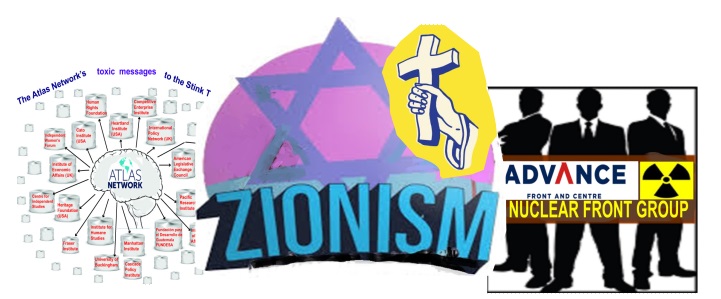
13 July 2025 AIMN Editorial, By Denis Hay, https://theaimn.net/why-zionist-influence-in-australia-silences-truth/
Description
Explore how Zionist influence in Australia’s shapes our politics and media while silencing Palestinian voices and enabling war crimes.
Introduction: The Silence That Screams
In the blistering heat of a Sydney summer rally, a Jewish Australian protester raised a sign: “Not in My Name – Justice for Gaza.” The woman’s voice trembled as she spoke: “I grew up thinking Zionism was just loving Israel. Now I realise it’s become a shield for injustice.”
Her words echo the growing concerns about Zionist influence in Australia and its role in stifling open debate on the Palestine-Israel conflict.
That trembling voice speaks for many. But why do Australian politicians stay silent? Why does mainstream media gloss over the deaths of Palestinian children, yet amplify outrage when Israel is criticised? The answer lies in the entrenched, well-funded power of the Zionist lobby in Australia – a force that not only shapes foreign policy but suppresses dissent and legitimises war crimes.
This article explores how Zionist influence in Australia operates, why so many politicians enable it, and how a growing number of Jewish and non-Jewish Australians are speaking out.
What Is Zionism and Why Does It Matter in Australia?
Zionism began as a Jewish nationalist movement in the late 19th century advocating for a Jewish homeland in Palestine. After the establishment of Israel in 1948, it evolved into a political ideology justifying the Israeli state’s actions, including occupation, displacement, and militarisation.
In Australia, Zionism is embedded in influential Jewish organisations, media representation, and foreign policy. It’s less about cultural identity and more about unconditional political allegiance to Israel.
Zionist influence in Australia continues to shape key foreign policy decisions, despite mounting evidence of human rights abuses.
Who Supports Zionism in Australia?
The Zionist Federation of Australia (ZFA)
The ZFA is the umbrella body representing Zionist organisations across Australia. It liaises with Israeli government agencies and coordinates national advocacy. Its lobbying efforts are aimed at securing bipartisan support for Israel and silencing criticism.
The ZFA plays a significant role in maintaining Zionist influence in Australia’s political discourse.
AIJAC and the Executive Council of Australian Jewry (ECAJ)
AIJAC is the most politically connected Zionist lobby group in Australia. It funds international trips for politicians and journalists, including the controversial Rambam Israel Fellowship.
ECAJ operates as the public face of the Jewish community, but its statements overwhelmingly support Israeli government narratives, even during military assaults on Gaza.
Bipartisan Political Support
Both Labor and Liberal parties regularly attend ZFA and AIJAC events. Public statements from both parties often affirm Israel’s “right to defend itself,” even when such actions include bombing residential buildings in Gaza. This bipartisan alignment suggests a troubling detachment from international law and public sentiment.
It also reflects how deeply Zionist influence in Australia has penetrated major political institutions.
Silencing Dissent: How the Zionist Lobby Controls the Narrative
Weaponising Antisemitism
Critics of Israeli policies, including Jewish Australians, are often labelled antisemitic. This tactic deters meaningful debate and chills freedom of speech. The IHRA definition of antisemitism, adopted by several institutions, blurs the line between racism and political critique, aiding the suppression of pro-Palestinian voices.
This mechanism is one of the key ways Zionist influence in Australia suppresses accountability.
Media Control and Bias
Mainstream Australian media platforms rarely feature Palestinian voices. Coverage disproportionately focuses on Israeli casualties while framing Gaza’s suffering as collateral damage. This imbalance stems from pressure by pro-Israel lobbyists and the desire to avoid backlash.
This reflects the broader pattern of Zionist influence in Australia’s media landscape, where pro-Palestinian narratives are often excluded.
Case Study – ABC’s Censorship
In 2023, the ABC was accused of quietly removing segments that showed Palestinian civilian suffering. Internal sources claimed it was done to avoid political “complications.” This act mirrors the broader media reluctance to confront Israeli abuses.
The Political Cost of Speaking Out
Zionist influence in Australia makes it politically dangerous for elected officials to speak out. Politicians who challenge Zionist orthodoxy often face swift retribution:
- Greens members criticising Israel are smeared as antisemitic.
- Labor backbenchers who question Gaza bombings are sidelined.
- Diplomat Francesca Albanese faced calls for resignation after condemning Israeli apartheid.
This silencing reinforces conformity and deters future political courage.
Australia’s Foreign Policy and Tacit Support for War Crimes
Diplomatic Silence on Gaza
Despite over 35,000 Palestinians killed since October 2023, Australia’s government has failed to call for a ceasefire or demand accountability. Statements are carefully worded to avoid offending Israel.
Trade and Military Partnerships
Australia imports surveillance technology and weapons from Israeli firms like Elbit Systems – many of which have been tested on Palestinians under occupation. Elbit Systems, Israel’s largest private arms company, markets its equipment as “battle-proven,” highlighting their use in Gaza and the West Bank.
In February 2024, Elbit was awarded a $917 million contract through Hanwha Defence Australia to supply sensors, protection, and firepower systems for new infantry fighting vehicles. This forms part of a broader $3.6 billion defence agreement with the Australian Government.
Previously, the Australian Defence Force had removed Elbit’s Battle Management System in 2021 over data security concerns, yet new contracts continue without public consultation or ethical review.
Human rights groups, including APAN and BDS Australia, have condemned these deals, arguing they support technologies used in potential war crimes and contribute to the oppression of Palestinians. Despite these objections, the Australian government remains committed to its defence partnerships with Elbit.
Human Rights Double Standards
Australia routinely condemns China’s human rights abuses but stays silent on Gaza. This hypocrisy undermines our credibility as a rights-respecting nation.
Not All Jews Support Zionism
Jewish Council of Australia
Founded in 2024, this body challenges the claim that Zionism represents all Jews. It supports Palestinian freedom, opposes racism and colonialism, and promotes open debate.
Jewish Voice for Peace and IfNotNow
Internationally, groups like JVP and IfNotNow mobilise Jewish voices against Israeli apartheid. They protest, educate, and campaign for justice – from New York to Melbourne.
Neturei Karta and Ultra-Orthodox Opposition
Some ultra-Orthodox Jews reject Zionism on religious grounds, arguing that a Jewish state must not exist before the coming of the Messiah. These voices offer rare but critical perspectives.
Where Is the Public Outcry?
Despite tens of thousands of Australians attending Free Palestine rallies, federal politicians remain inert. Public will is not translating into political action – why?
- Lobby pressure
- Fear of backlash
- Media framing
This democratic disconnect highlights a deeper crisis: our leaders are more responsive to powerful lobbies than to the people who elect them.
It also illustrates how Zionist influence in Australia often overrides democratic accountability.
Conclusion: It’s Time to Break the Silence
Zionist influence in Australia is real, entrenched, and deeply harmful – not just to Palestinians, but to our democracy. When politicians remain silent in the face of genocide, they are not neutral – they are complicit.
We must hold our leaders accountable. We must challenge media complicity. And we must amplify the voices calling for peace, justice, and human dignity.
1 This month


Help Aunty Sue Protect Her Land and Sacred Sites From Destructive Rocket Testing.
.

Australians deserve the truth
about
AUKUS – https://aukuspublicinquiry.com/

PETITION – To: Prime Minister Anthony Albanese and the Australian Labor Government

of the week – Australians for War Powers Reform (AWPR)
To see nuclear-related stories in greater depth and intensity

