DUTTON’S RISKY NUCLEAR REACTOR PLAN THREATENS 12,000 FARMS
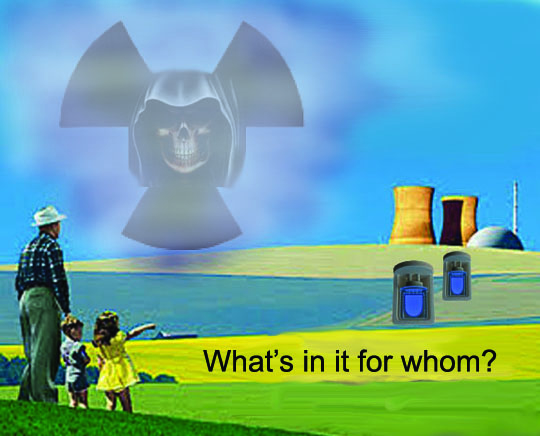
FOOD PRODUCTION ACROSS THE COUNTRY ON HIGH ALERT FROM DUTTON’S RISKY REACTOR PLAN
Agriculture Minister Murray Watt, 18 July 24
The fallout from Peter Dutton’s expensive and risky nuclear reactor announcement continues with new revelations that nearly 12,000 farms across Australia could be impacted.
The LNP’s announcement that nuclear reactors would be built at seven sites across the country could have serious implications for the agricultural sector.
The regions selected by Mr Dutton are major contributors to Australia’s food supply with significant cattle, milk, lamb, grain and vegetable production nearby.
Various states in the United States of America, including Illinois, California, Indiana, Maryland, Missouri and Florida set out detailed guidelines to be followed by farmers, processors and distributors within an 80-kilometere radius of nuclear reactors (known as the “ingestion zone”) to protect their food supply, in the event of a nuclear accident.
Analysis of ABS and local government data by the Parliamentary Library has found approximately 11,955 farms are located within an 80-kilometre radius of the Coalition’s selected sites.
Mr Dutton must urgently explain whether Australian farmers, processors and distributors within a similar ingestion zone will be forced to replicate the expensive actions recommended by American counterparts.
On top of this, leaks have occurred in recent years at nuclear reactors in the United States, Japan, India and Europe, in some cases contaminating agricultural land, crops and water sources.
Eating contaminated foods and drinking contaminated milk and water could have a harmful, long-term effect on the health of the wider community.
Mr Dutton needs to explain his plan to prevent such leaks, how he will manage them if they occur and how he would compensate affected farmers.
Agriculture Minister Murray Watt: –
“Peter Dutton’s risky nuclear plan is not only expensive, slow and unreliable, it also poses a threat to the agricultural industry.
“Based on international practice, farmers would need to take expensive steps during a nuclear leak and would need to inform their customers that they operate within the fallout zone.
“It’s bizarre that the Nationals and Liberals are putting at risk our prime agricultural land like this, especially without the decency to explain it to farmers and consumers how they’d mitigate all the potential impacts.”
BACKGROUND:
Parliamentary library analysis of farm businesses within the 80km ingestion zone of each proposed reactor.
- Collie (WA): Approximately 1,150 agricultural establishments. Major agricultural products include beef cattle, milk, lamb, barley, and carrots.
- Callide (Qld): Approximately 1,040 agricultural establishments. Major agricultural products include beef cattle, cotton, vegetables, wheat, and herbs.
- Hunter (NSW): Approximately 1,650 agricultural establishments. Major agricultural products include beef cattle, milk, chicken (meat), eggs, and hay.
- Latrobe Valley (VIC): Approximately 4,175 agricultural establishments. Major agricultural products include milk, beef cattle, vegetables, applies, and strawberries.
- Mt Piper (NSW): Approximately 1,280 agricultural establishments. Major agricultural products include beef cattle, cultivated turf, lamb, mushrooms, and other vegetables.
- Port Augusta (SA): Approximately 260 agricultural establishments. Major agricultural products include wheat, barley, lamb, wool, hay, and eggs.
- South Burnett/Darling Downs (Qld): Approximately 2,400 agricultural establishments. Major agricultural products include beef cattle, pork, sorghum, cotton, and milk
1 This month
Chernobyl: The Lost Tapes – A good documentary on Chernobyl on SBS available On Demand for the next 3 weeks– https://www.sbs.com.au/ondemand/tv-program/chernobyl-the-lost-tapes/2352741955560
15 April – Zoom –Nuclear Power is Not the Solution
Apr 15, 2026 01:00 AM in Canberra, Melbourne, Sydney

Join the International Physicians for the Prevention of Nuclear War (IPPNW) on Tuesday, April 14th for a timely webinar exploring the risks associated with nuclear power and challenging the myth that it offers a simple, safe, carbon-free solution to the climate crisis

21 April Webinar: No Nuclear Weapons in Australia
Start: 2026-04-21 18:00:00 UTC Canberra, Melbourne, Sydney (GMT+10:00)
End: 2026-04-21 19:30:00 UTC Canberra, Melbourne, Sydney (GMT+10:00)
Event Type: Virtual
A virtual link will be communicated before the event.
Host Contact Info: australia@icanw.org

of the week – Australians for War Powers Reform (AWPR)
To see nuclear-related stories in greater depth and intensity
 Antinuclear