Australia’s young doctors ignorant about ionising radiation
Medical students unaware of radiation hazard, IBTHealth -15 Mar, 2010, Over half of medical students and junior doctors underestimate the amounts of radiation involved in regularly ordered scans with 25 per cent wrongly accept that magnetic resonance imaging emits radiation. Based on the survey conducted by Perth scientist, of third, fourth and final year medical students and freshly graduated doctors, over 10 per cent wrongly considered the ultrasound as a source of ionizing radiation.
An ionizing radiation destroys DNA, and increases the risk of cancer development. A clear understanding about the types of scans that deliver the highest doses, and the ones that are radiation-free is extremely important.
According to the research at the University of Western Australia, 11 per cent of the 340 respondents thought that the knowledge about radiation was either “not really important” or “not important at all”.

Medical students unaware of radiation hazard – IBTHealth – Health Guide For the Modern Lifestyle
2 Comments »
Leave a reply to Queensland hospital doctors Cancel reply
1 This month.


PETITION – To: Prime Minister Anthony Albanese and the Australian Labor Government
Chernobyl: The Lost Tapes – A good documentary on Chernobyl on SBS available On Demand for the next 3 weeks– https://www.sbs.com.au/ondemand/tv-program/chernobyl-the-lost-tapes/235274195556
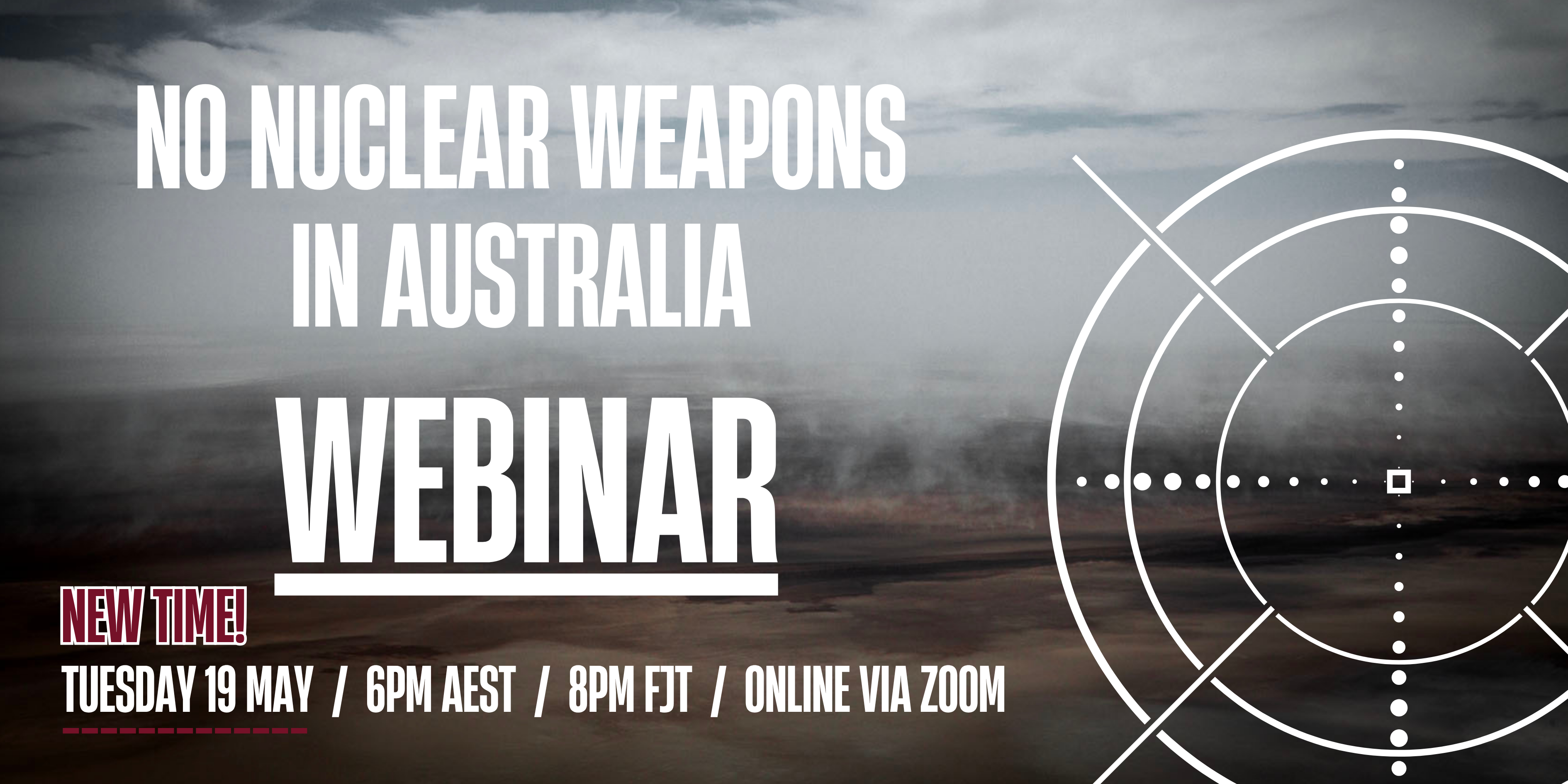
19 May – Webinar- Webinar: No Nuclear Weapons in Australia
Start: 2026-05-19 18:00:00 UTC Canberra, Melbourne, Sydney (GMT+10:00)
End: 2026-05-19 19:30:00 UTC Canberra, Melbourne, Sydney (GMT+10:00)
20 May – Webinar – The dangerous world of AUKUS, US, military occupation and suppression of dissent

National Webinar, 20th May, 2026, 6.30pm AEST. Confronting laws restricting/suppressing protest speech and action
Speakers: Former Sen. Rex Patrick, Lawyer Nick Hanna ,Arthur Rorris ,Jorgen Doyle, Sen David Shoebbridge,
Facilitator Kelley Tranter.

of the week – Australians for War Powers Reform (AWPR)
To see nuclear-related stories in greater depth and intensity
 Antinuclear
Thanks for such an informative posts.. I agree with you that ionizing radiation destroys DNA, and increases the risk of cancer development.But what about the X-rays? Are they too totally harmful for DNA’s and also life threatening?
LikeLike
Not so much that ionising radiation “destroys” DNA. It’s just that a stray electron can just knock the DNA out of whack – damaging or altering a gene so causing it to change its message.
Standard X rays give the patient much less radiation than do CT scans.
It’s always a balancing act – but normal, prudent, use of X rays is of great medical benefit for diagnosis, and monitoring.
The problem with X rays is just that radiation exposure accumulates – one individual should not be subjected to too many x rays.
Same kind of balancing act with therapeutic radiation. It can prolong or save lives, in cancer treatment, but has its downside in increasing risk – and there are hazards to nurses etc working with these patients.
LikeLike