A safer method of screening for breast cancer
 This Table Detects Breast Cancer Using Sound Waves, Not X-Rays http://www.gizmodo.com.au/2014/01/this-table-detects-breast-cancer-using-sound-waves-not-x-rays/ 3 March 14
ANDREW LISZEWSKI 20 JANUARY 2014 Traditional mammography machines — besides being uncomfortable — rely on ionizing radiation to image a patient’s breasts. And as all we all know, radiation ironically increases the risk of cancer developing. So a company called Delphinus Medical Technologies has developed a safer alternative called the SoftVue that instead uses ultrasonic sound waves bouncing around inside a large water tank.
The risk of developing cancer from the procedure itself is all but eliminated, and the exam appears to be considerably more comfortable for the patient. Instead of a mechanism that’s designed to compress the breast flat for better imaging, the patient lies face down on a table sitting atop a tank of warm water, and then places their breast into a sealed opening that’s surrounded by a transducer sensor ring.
An ultrasonic signal is then blasted through the tank, and the echoed signals bouncing around and through the breast are captured. Delphinus claims that cancerous tissue has a distinct signature when it interacts with sound waves, which the SoftVue can detect and highlight, making it easier to spot.
The exam itself takes just two minutes per breast to complete, and thanks to a camera inside the tank, it’s easy to precisely position the breast to ensure accurate imaging. In fact, the SoftVue machine apparently doesn’t even required a skilled or experienced technician to operate, it’s designed to be completely user-friendly.
Delphinus originally planned to market the SoftVue as a diagnostic tool that could be used for follow-ups to traditional mammograms. But the system has just been approved by the FDA, which means it can now be offered as a safer and more comfortable alternative to existing methods. [Delphinus Medical Technologies viaMedgadget]
2 Comments »
Leave a reply to Christina MacPherson Cancel reply
1 This month.


PETITION – To: Prime Minister Anthony Albanese and the Australian Labor Government
Chernobyl: The Lost Tapes – A good documentary on Chernobyl on SBS available On Demand for the next 3 weeks– https://www.sbs.com.au/ondemand/tv-program/chernobyl-the-lost-tapes/235274195556
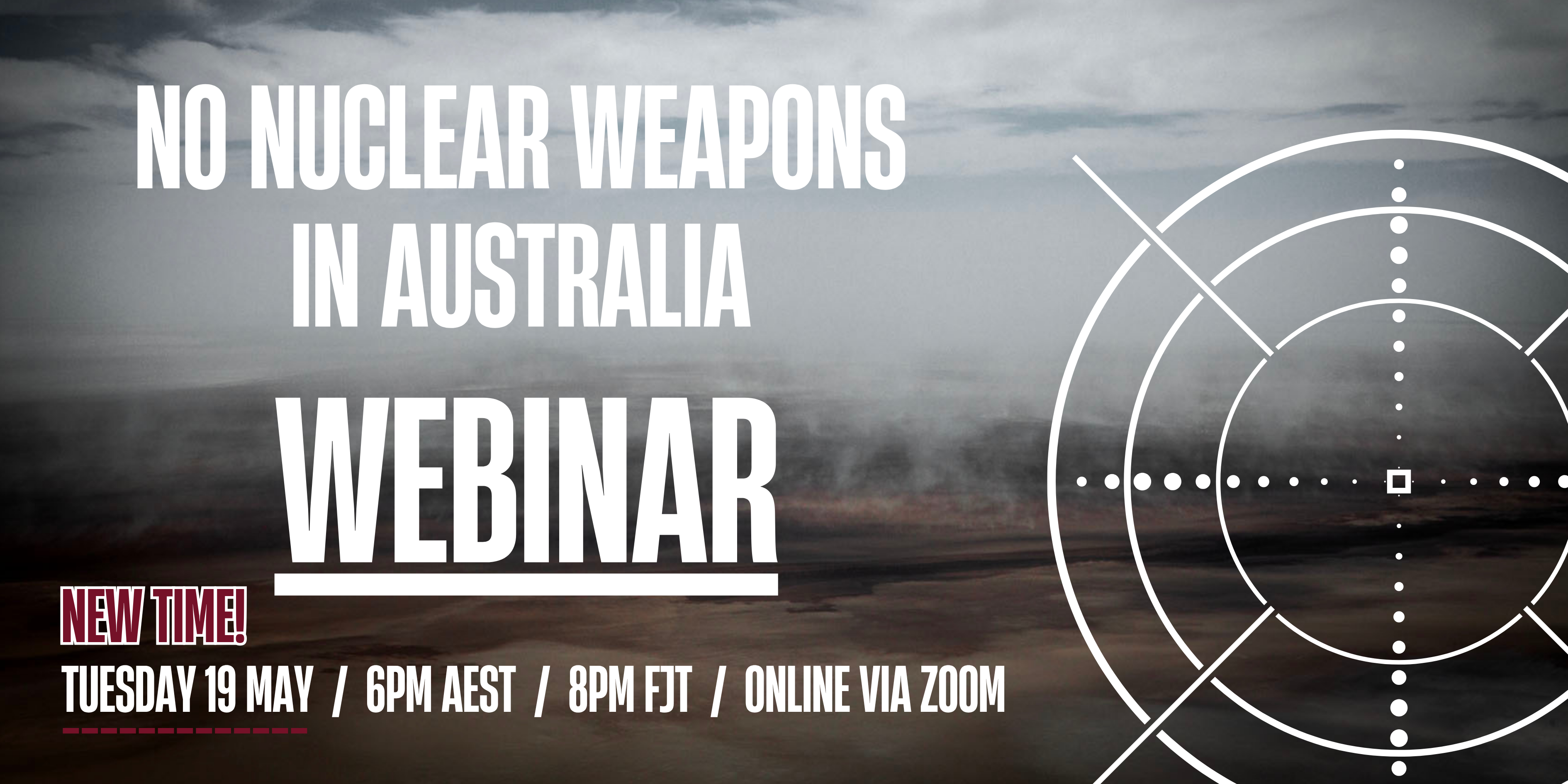
19 May – Webinar- Webinar: No Nuclear Weapons in Australia
Start: 2026-05-19 18:00:00 UTC Canberra, Melbourne, Sydney (GMT+10:00)
End: 2026-05-19 19:30:00 UTC Canberra, Melbourne, Sydney (GMT+10:00)
20 May – Webinar – The dangerous world of AUKUS, US, military occupation and suppression of dissent

National Webinar, 20th May, 2026, 6.30pm AEST. Confronting laws restricting/suppressing protest speech and action
Speakers: Former Sen. Rex Patrick, Lawyer Nick Hanna ,Arthur Rorris ,Jorgen Doyle, Sen David Shoebbridge,
Facilitator Kelley Tranter.

of the week – Australians for War Powers Reform (AWPR)
To see nuclear-related stories in greater depth and intensity
 Antinuclear
From the introduction of mammography in South Australia many decades ago (during the government of John Bannon) I called for “informed consent” by requiring that patients be given proper information, in simple language, of the risks involved.
In the past when radiographers have been asked “What is the risk involved in procedures such as mammography?” the stock answer has been “its minimal”.
What was needed, and probably is still needed, is the comparative chance of mammography preventing a fatal cancer and of mammography causing a fatal cancer. Is it 10 to 1, 100 to 1, or ….?
Unfortunately the head of the radiation protection section of the department of health was a believer in hormesis – that low doses of ionising radiation are good for you.
LikeLike
Other problems with mammography:
It can detect tiny carcinomas that would never have developed any further – so resulting in unnecessary surgery. Virtually impossible to identify which ones would grow, and which disappear, at this early stage.
Carried out 2 yearly – there is nothing to stop a carcinoma or ademoma developing in the intervening period.
Regular (self) Breast examination is a wiser practise
LikeLike