Data centres revive Coalition passion for nuclear power, but this time more expensive and even less realistic
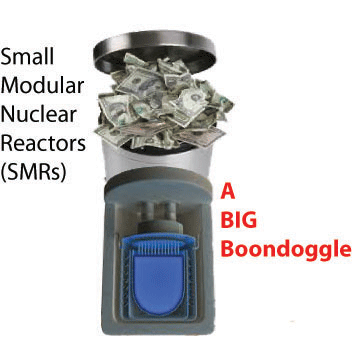
SMRs are “the most expensive form of energy you could possibly choose”
Peter Hannam, 12 November 2026, https://reneweconomy.com.au/data-centres-revive-coalition-passion-for-nuclear-power-but-this-time-more-expensive-and-even-less-realistic/amp/
The data centre-driven revival of the nuclear power debate in Australia is yet another political distraction from the urgent task of rapidly decarbonising the energy system, a new report has warned, only this time it’s focused on a technology that doesn’t technically exist: small modular reactors.
Small modular reactors (SMRs) aren’t operating commercially anywhere in the world despite decades of research and hype, won’t sate data centres’ energy hunger, and will dash federal Coalition hopes for an alternative to renewable energy, the report by the Australian Conservation Foundation (ACF) finds.
The Phantom Energy report, released on Thursday, details the lack of progress of SMRs globally.
“Nuclear power is too slow, too expensive, too unpopular, too dangerous and too thirsty to be a viable source of power for data centres in Australia,” the report says.
This has not stopped major technology firms such as Microsoft, Google, Amazon and Meta, from announcing nuclear energy partnerships to support growing data-centre demand, including inking more than a dozen agreements worth nearly 10 gigawatts (GW) of capacity.
“However, these commitments are largely non-binding agreements, power-purchase arrangements, or modest investments in SMR developers rather than direct funding for reactor construction,” report author Jim Green argues.
In particular, the US – home to those tech giants – has no SMRs or even large-scale reactors under construction. Plans to restart three shuttered reactors to power data centres “face obstacles and delays and only represent a tiny percent of electricity demand for data centres,” the report says.
Indeed, it cites a report by the Bulletin of the Atomic Scientists from July that found nuclear funding commitments from Amazon and Google to be fraction of 1% of their annual expenditures earmarked for building data centres.
The spending was “primarily meant as greenwashing, in order to divert attention from the negative environmental impacts of data centre operations,” including much larger fossil fuel investments, the bulletin found.
Debate over how to power Australia’s data centre boom has intensified, as communities wrestle with how another 225 planned or proposed centres can be accommodated by a grid already hosting about 165 of them.
On the one hand, Chris Bowen, the federal climate change and energy minister, is insisting they source and supply their own renewable energy, although Queensland and the Northern Territory are pushing for fossil-fuel carveouts.
The federal Coalition, however, is pushing for nuclear energy – reviving a stance that was widely rejected in the 2025 elections, costing them as many as 11 seats. Prohibitions would need to be overturned under federal law and in states, including Queensland, New South Wales and Victoria.
Matt Canavan, the Nationals leader even told ABC’s Insiders last weekend that he’d “welcome nuclear power here every day of the week”.
“I’d much prefer a nuclear power station next door to me than a 300-metre wind turbine,” he said.
Aside from the “theoretical” possibility of having SMRs – defined as having an electrical generating capacity of 300 megawatts or less – advocates have to explain how they would produce competitively priced power in the US, Australia, or elsewhere.
“Electricity from the Natrium and Xe-100 SMR designs would cost at least twice as much as electricity from large nuclear plants [in the US] and the cost of electricity from large nuclear plants is at least three times higher than from solar and wind,” the ACF report says.
No wonder, then, that a 2025 survey found 78% of US adults polled were somewhat or very concerned that new data centres would increase their power bills, it said. (The data centre issue also reportedly hurt Republicans – the US equivalent of the Coalition – in the recent mid-term elections.)
The annual GenCost report by CSIRO, meanwhile, has consistently underscored the high cost of nuclear energy – both large and small – as the ACF noted.
SMRs are “the most expensive form of energy you could possibly choose,” Mia Popper, a nuclear free campaigner at the Australian Conservation Foundation, told Renew Economy.
No comments yet.
1 This month
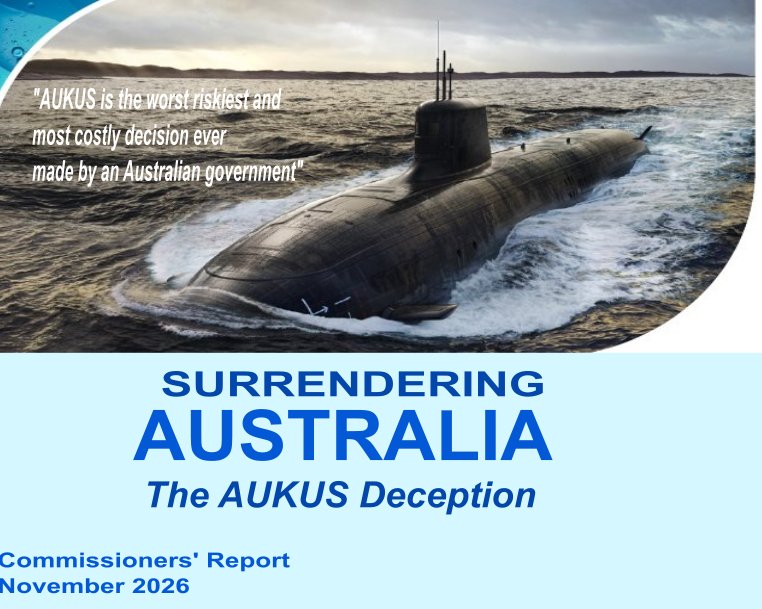
Read the Public Inquiry Report, the Commissioners’ report, Surrendering Australia: The AUKUS Deception is available to download for free at aukuspublicinquiry.com. Or just watch the replay of the National Press Club Luncheon.

4 November – Will AUKUS keep us safe – at what cost?
the Commissioners of the AUKUS Public Inquiry present their findings at the National Press Club of Australia in Canberra. iview.abc.net.au/show/national-press-club-address
Submissions to the federal government’s new draft framework close on the 13th November 2026.
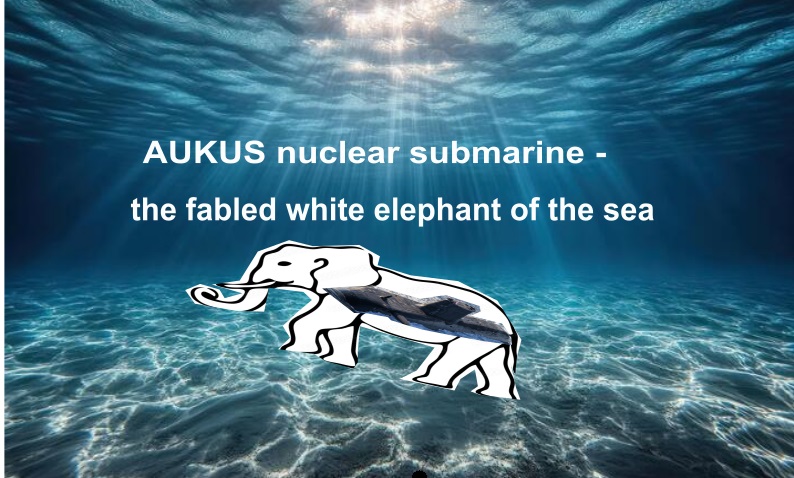
Australians deserve the truth
about
AUKUS – https://aukuspublicinquiry.com/

PETITION – To: Prime Minister Anthony Albanese and the Australian Labor Government

of the week – Australians for War Powers Reform (AWPR)
To see nuclear-related stories in greater depth and intensity


Leave a Reply