We froze’: What was this 1.3-metre missile doing at an Aboriginal heritage site?
We froze’: What was this 1.3-metre missile doing at an Aboriginal heritage site?
EXCLUSIVE: An unexploded high-tech missile was discovered at a culturally significant Aboriginal heritage site in remote South Australia. Neither the company that is believed to have made it – nor the Department of Defence – have explained how it got there.
SBS, Tuesday 21 December 2021By Steven Trask, Sarah Collard A group of Aboriginal Traditional Owners was inspecting a culturally significant site in remote South Australia when they discovered a high-tech anti-aircraft missile, a joint investigation by SBS News and NITV can reveal.
The 1.32-metre missile is believed to have been built by a subsidiary of Swedish weapons maker Saab and was found at a registered heritage site called Lake Hart West, about 40 kilometres from the small town of Woomera, in January this year.
Woomera is home to one of the largest weapons ranges in the world and the missile appears to be a similar model to those tested by Australia’s Department of Defence near the town in 2019.
Lake Hart West is important to the Kokatha people of the Western Desert region of South Australia; it is scattered with artefacts, historic shelters and tool-making sites.
“It startled us. There were four of us and we froze about five metres away from it,” says Kokatha man Andrew Starkey, who registered Lake Hart West as a heritage site with the South Australian government in the early 2000s.
“We were worried that there could be other missiles covered by the sand and in the bushes.
“There are over 20 heritage features all within a one-kilometre radius. There are rock engravings only a couple of kilometres away – it’s only through luck that that was not destroyed.”
The conservation of Aboriginal heritage sites has been under intense scrutiny since mining company Rio Tinto blew up the 46,000-year-old Juukan Gorge caves in Western Australia in May 2020.
An inquiry into the disaster found that existing state and Commonwealth laws were failing to protect Aboriginal heritage areas.
The Defence Department maintains it does not test weapons at culturally significant Aboriginal sites. But neither the department nor Saab have addressed questions over why the missile was found at Lake Hart West………………………………………
Human rights lawyer John Podgorelec has been representing the Starkeys as they pursue a complaint under OECD guidelines that govern “responsible business conduct” by foreign companies operating in Australia.
The Australian National Contact Point, which runs the process, said a complaint had been received against an “Australian-based enterprise” in the “defence sector”.
SBS News and NITV have confirmed the complaint relates to Saab.
An entry on the OECD complaint database reads: “Specifically, the issues relate to the discovery of an unexploded ordinance in South Australia by the Starkey Traditional Owners, resulting in risk to personal safety and artefacts of cultural significance.”………… https://www.sbs.com.au/news/we-froze-what-was-this-1-3-metre-missile-doing-at-an-aboriginal-heritage-site/3c67ce10-15ed-442c-b735-cea3673e5caa
Australia is racing towards 100 per cent renewables. What does that look like? — RenewEconomy

When too much wind and solar is not nearly enough! What does a grid look like when it is nearly 100 per cent powered by renewables? The post Australia is racing towards 100 per cent renewables. What does that look like? appeared first on RenewEconomy.
Australia is racing towards 100 per cent renewables. What does that look like? — RenewEconomy
West Australia’s biggest solar farm sets top performance benchmark for new owners — RenewEconomy

WA’s biggest solar farm delivers a capacity factor of 40 per cent for the month of November, which will have pleased its new owners. The post West Australia’s biggest solar farm sets top performance benchmark for new owners appeared first on RenewEconomy.
West Australia’s biggest solar farm sets top performance benchmark for new owners — RenewEconomy
Households fell into deeper energy debts during Covid-19 outbreak, AER data shows — RenewEconomy

The Morrison government is claiming credit for lower electricity prices, but AER data shows households owing larger energy debts. The post Households fell into deeper energy debts during Covid-19 outbreak, AER data shows appeared first on RenewEconomy.
Households fell into deeper energy debts during Covid-19 outbreak, AER data shows — RenewEconomy
December 22 Energy News — geoharvey

Opinion: ¶ “Doing The Right Thing For Wind And Solar Power In USA” • Solar and wind energy have grown tremendously in the US. But we have only started on the job of addressing climate change. That’s why NRDC is fighting to extend the federal tax credits for renewables in the Build Back Better bill. […]
December 22 Energy News — geoharvey
Growing opposition to radioactive waste dump

Federal plans for a radioactive waste facility near Kimba on South Australia’s Eyre Peninsula face growing opposition with Barngarla Traditional Owners today launching a Federal Court challenge to Minister Keith Pitt’s decision to site the facility on their lands.
The UN Declaration on the Rights of Indigenous People requires that ‘States shall take effective measures to ensure that no storage or disposal of hazardous materials shall take place in the lands or territories of indigenous peoples without their free, prior and informed consent.’
“The federal plan has many flaws, one of which is poor consultation with the Aboriginal and wider community,” said Australian Conservation Foundation campaigner Dave Sweeney.
“Barngarla have never given consent. Instead, they have been denied a vote in a federal community ballot. This approach is simply not acceptable in the third decade of the 2000s.
“Fewer than a thousand South Australians have had a say in a plan that has profound inter-generational implications.
“The proposed facility is unnecessary given federal parliament’s recent support for a $60 million waste storage upgrade to secure the most problematic intermediate level waste at the federal Lucas Heights nuclear site for the next three to five decades.
“Extended interim storage at Lucas Heights is prudent and possible. Moving intermediate level waste from Lucas Heights – a site with security, radiation monitoring, emergency response and local expertise – to a site near Kimba with far fewer assets and resources is irresponsible and inconsistent with best industry practice.
Sites that store and manage nuclear medicine waste around Australia will still need to do so, irrespective of the status of any national facility, so the Minister’s repeated reference to nuclear waste being spread across 100 sites is disingenuous and inaccurate.
“The planned federal action is contrary to SA state law and does not enjoy bi-partisan political support. The waste plan needs formal environmental and regulatory assessment and approval and is occurring in the context of both state and federal elections in 2022. This issue has a long way to run and will be actively contested.”
For context or comment contact Dave Sweeney on 0408 317 812
ACF’s 3-page background brief on federal radioactive waste plans
Measure twice, cut once: Advancing responsible radioactive waste management in Australia
Massive cask of nuclear waste to arrive in Sydney
Monolithic cask of nuclear waste to arrive, https://www.mandurahmail.com.au/story/7559502/monolithic-cask-of-nuclear-waste-to-arrive/
- Tracey Ferrier 21 Dec 21,
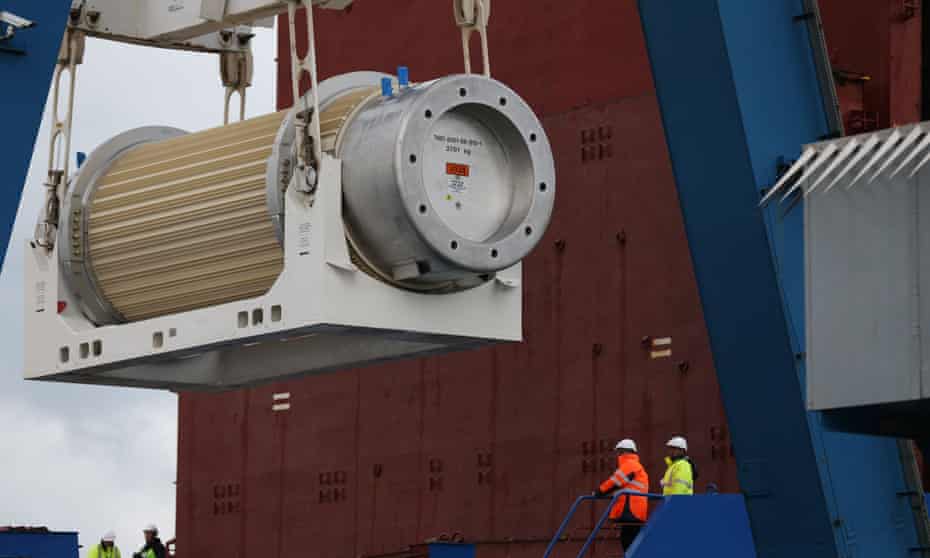
Monolithic cask of nuclear waste to arrive, https://www.mandurahmail.com.au/story/7559502/monolithic-cask-of-nuclear-waste-to-arrive/Tracey Ferrier
A monolithic steel cask designed to withstand an earthquake and a jet strike will arrive in Sydney next year, carrying two tonnes of radioactive waste.
For security reasons authorities won’t say when the hulking capsule – containing four 500kg canisters of ‘intermediate-level material’ – will arrive from the UK.
But it will hardly be an inconspicuous affair: the cask itself weighs 100 tonnes and resembles something from NASA’s space program.
Its forged steel walls are 20cm thick, it’s 6.5m long and three metres wide.
Back in 2015, when the first cask of its type arrived, it was carrying 20 tonnes of Australian nuclear waste that had been reprocessed in France.
About 600 police and security officers were involved in the mission to truck it from Port Kembla, near Wollongong, to Lucas Heights, the southern Sydney suburb that serves as the country’s nuclear technology hub.
It is safe to assume that next year’s arrival will involve an equally elaborate, high-security operation.
The Australian Nuclear Science and Technology Organisation operates the Lucas Heights compound.
It was home to the High Flux Australian Reactor (HIFAR), which supported nuclear medicine and science before it was closed in 2007 and superseded by the Open Pool Australian Lightwater reactor, also at Lucas Heights.
The waste that’s due to arrive in 2022 is from HIFAR’s operations and ANSTO says the material is being “repatriated” under the international principle that countries must be responsible for their nuclear leftovers.
However what’s coming won’t actually be what is left of the 114 spent fuel rods HIFAR sent to the UK for reprocessing in 1996.
The Australian Nuclear Science and Technology Organisation operates the Lucas Heights compound.
It was home to the High Flux Australian Reactor (HIFAR), which supported nuclear medicine and science before it was closed in 2007 and superseded by the Open Pool Australian Lightwater reactor, also at Lucas Heights.
The waste that’s due to arrive in 2022 is from HIFAR’s operations and ANSTO says the material is being “repatriated” under the international principle that countries must be responsible for their nuclear leftovers.
However what’s coming won’t actually be what is left of the 114 spent fuel rods HIFAR sent to the UK for reprocessing in 1996.
“Specifically it’s not the material we sent, it’s an equivalent, almost swapping the material that came from reprocessing our waste, for equivalent material that was produced at another UK site.”
Mr Griffiths says the UK had to demonstrate that what will be sent to Australia is “within the measurement boundaries” of the accepted definition of intermediate level waste, which can remain radioactive for thousands of years.
ANSTO also had to satisfy the national regulator on that point.
While saving money wasn’t the objective, Mr Griffiths says the waste exchange agreement means taxpayer-funded ANSTO will save $12 to $13 million in shipping costs.
ANSTO’s Pamela Naidoo-Ameglio has promised the cask’s arrival will be a “routine and safe operation”
“This will be the second repatriation project and 12th successful transport of spent fuel or reprocessed waste which ANSTO has carried out since 1963,” she said in a statement on Monday.
“For all of the obvious and standard security reasons, we can’t comment on the specific route or timing of this transport.”
The new cask will sit alongside the original one at Lucas Heights until Australia’s new national nuclear waste storage facility is constructed at Napandee, near Kimba, on South Australia’s Eyre Peninsula.
The facility is up to the design phase and is being contested by Indigenous owners, so the casks are likely to remain at Lucas Heights for a number of years.
Once Napandee is operational, the casks will be moved there and stored, pending a final solution that will involve deep burial.
Australia’s radioactive waste results from nuclear medicine, research endeavours and industrial applications. Australia does not produce nuclear power.
Bill Gates’ sodium-cooled ‘Natrium’ nuclear reactor design – strikingly like the disastrous reactors at Santa Susana Field Lab
Most striking of all is the success of official campaigns asserting that even the most serious accidents have caused little or no harm

Spent Fuel, Harpers, by Andrew Cockburn, 20 Dec 21, The risky resurgence of nuclear power ” …………………………. Gates and other backers extoll the promise of TerraPower’s Natrium reactors, which are cooled not by water, as commercial U.S. nuclear reactors are, but by liquid sodium. This material has a high boiling point, some 1,600 degrees Fahrenheit, which in theory enables the reactor to run at extreme temperatures without the extraordinary pressures that, in turn, require huge, expensive structures……………….
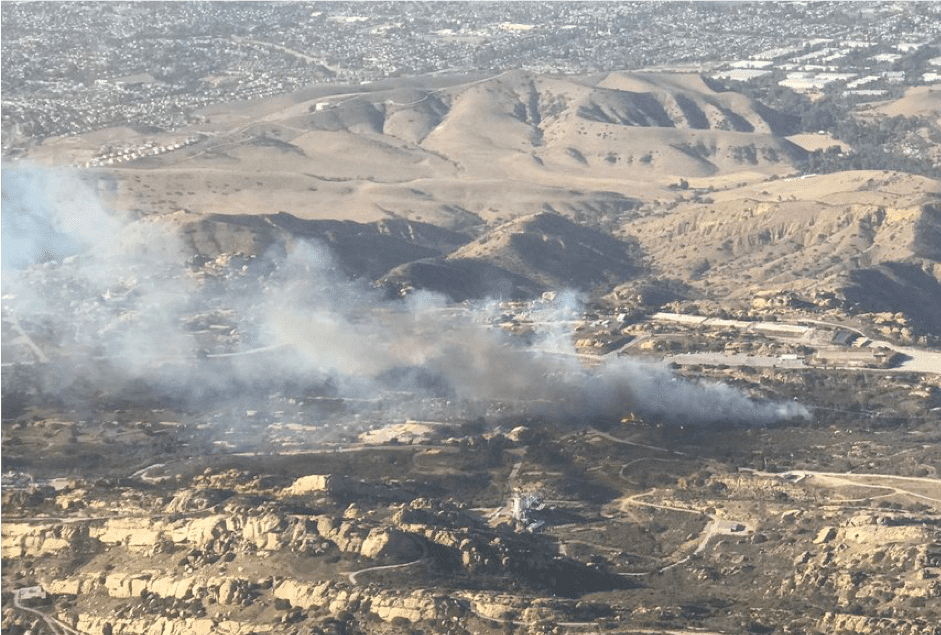
Prosperous and 70 percent white, West Hills, California, is one of the communities that have sprouted near the Santa Susana Field Laboratory in the decades since the 1959 meltdown. Unlike the poor, sick, and embittered residents of Shell Bluff, people living in West Hills had until recently only the barest inkling that nuclear power in the neighborhood might have had unwelcome consequences. “Almost no one knew about the Santa Susanna Field Lab, or they thought it was an urban legend,” Melissa Bumstead, who grew up in nearby Thousand Oaks, told me recently. In 2014, Bumstead’s four-year-old daughter, Grace, was diagnosed with an aggressive form of leukemia. “This has no environmental link,” her pediatric oncologist told her firmly. Childhood cancers were rare, and this was just cruel luck.
Then, while taking Grace to Children’s Hospital Los Angeles, Bumstead ran into a woman who recognized her from the local park where their young daughters played. The woman’s child had neuroblastoma, another rare cancer, as did another from nearby Simi Valley, whom they encountered while the children were getting chemo. Back at home, someone on her street noticed the childhood cancer awareness sticker on Bumstead’s car and mentioned that another neighbor had died of cancer as a teenager.
Bumstead began to draw a map detailing the cluster of cancer deaths in small children just in the previous six years, but stopped working on it in 2017. “I had such severe PTSD when I added children onto it, my therapist told me to stop.” But it is still happening, she said, mentioning the unusual number of bald children she had noticed in local elementary schools in recent years, as well as the far-above-average rate of breast cancer cases recorded in the area. A cleanup of the field lab was due to be completed in 2017, but it has yet to begin.
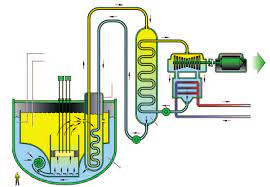
I called Bumstead because I had been struck by the fact thatTerraPower’s Natrium reactor resembles in its basic features the long-ago Sodium Reactor Experiment at Santa Susana. (Natrium is Latin for sodium.) “That’s exactly what we had!” Bumstead exclaimed when I mentioned that liquid sodium is integral to TerraPower’s project. “The meltdown was in the sodium reactor.” As her comment made clear, such liquid sodium technology is by no means innovative.
Nor, in an extensive history of experiments, has it ever proved popular—not least because liquid sodium explodes when it comes into contact with water, and burns when exposed to air. In addition, it is highly corrosive to metal, which is one reason the technology was rapidly abandoned by the U.S. Navy after a tryout in the Seawolf submarine in 1957.
That system “was leaking before it even left the dock on its first voyage,” recalls Foster Blair, a longtime senior engineer with the Navy’s reactor program. The Navy eventually encased the reactor in steel and dropped it into the sea 130 miles off the coast of Maryland, with the assurance that the container would not corrode while the contents were still radioactive. The main novelty of the Natrium reactor is a tank that stores molten salt, which can drive steam generators to produce extra power when demand surges. “Interesting idea,” Blair commented. “But from an engineering standpoint one that has some real potential problems, namely the corrosion of the high-temperature salt in just about any metal container over any period of time.”
TerraPower’s Jeff Navin assured me in response that Natrium “is designed to be a safe, cost-effective commercial reactor.” He added that Natrium’s use of uranium-based metal fuel would increase the reactor’s safety and performance. Blair told me that such a system had been tried and abandoned in the Fifties because the solid fuel swelled and grew after fissioning.
As the sodium saga indicates, the true history of nuclear energy is largely unknown to all but specialists, which is ironic given that it keeps repeating itself. The story of Santa Susana follows the same path as more famous disasters, most strikingly in the studious indifference of those in charge to signs of impending catastrophe.The operators at Santa Susana shrugged off evidence of problems with the cooling system for weeks prior to the meltdown, and even restarted the reactor after initial trouble. Soviet nuclear authorities covered up at least one accident at Chernobyl before the disaster and ignored warnings that the reactor was dangerously unsafe. The Fukushima plant’s designers didn’t account for the known risk of massive tsunamis, a vulnerability augmented by inadequate safety precautions that were overlooked by regulators. Automatic safety features at Santa Susana did not work. This was also the case at Fukushima, where vital backup generators were destroyed by the tidal wave.
No one knows exactly how much radiation was released by Santa Susana—it exceeded the scale of the monitors. Nor was there any precise accounting of the radioactivity released at Chernobyl. Fukushima emitted far less, yet the prime minister of Japan prepared plans to evacuate fifty million people, which would have meant, as he later recounted, the end of Japan as a functioning state. Another common thread is the attempt by overseers, both corporate and governmental, to conceal information from the public for as long as possible. Santa Susana holds the prize in this regard: its coverup was sustained for twenty years, until students at UCLA found the truth in Atomic Energy Commission documents.
Most striking of all is the success of official campaigns asserting that even the most serious accidents have caused little or no harm……………………
“The right not to know” about the effects of nuclear power is currently embraced far beyond Fukushima. In the face of escalating alarm about climate change, the siren song of “clean and affordable and reliable” power finds an audience eager to overlook a business model that is dependent on state support and often greased with corruption; failed experiments now hailed as “innovative”; a pattern of artful disinformation; and a trail of poison from accidents and leaks (not to mention the 95,000 tons of radioactive waste currently stored at reactor sites with nowhere to go) that will affect generations yet unborn. Arguments by proponents of renewables that wind, solar, and geothermal power can fill the gap on their own have found little traction with policymakers. Ignoring history, we may be condemned to repeat it. Bill Gates has bet a billion dollars on that. https://harpers.org/archive/2022/01/spent-fuel-the-risky-resurgence-of-nuclear-power/
Greenpeace: TEPCO assessment of Fukushima water dumping lacks analysis of impact on S. Korea — Fukushima 311 Watchdogs

The international environmental organization called TEPCO’s radiological impact assessment “highly selective” in its use of IAEA guidelines Contaminated water is currently being stored in roughly 1,000 tanks located at the Fukushima Daiichi site. Dec.18,2021 The international environmental group Greenpeace sent an opinion to the Tokyo Electric Power Company (TEPCO) on Thursday stating that the company’s […]
Greenpeace: TEPCO assessment of Fukushima water dumping lacks analysis of impact on S. Korea — Fukushima 311 Watchdogs
NSW tightens rules on where wind and solar farms can be built — RenewEconomy

New guidelines designed to protect regional centres from “encroaching solar and wind development” to come into play in early 2022. The post NSW tightens rules on where wind and solar farms can be built appeared first on RenewEconomy.
NSW tightens rules on where wind and solar farms can be built — RenewEconomy
AEMC’s failure to act on solar, EVs and battery standards will cost consumers — RenewEconomy

Behind-the-meter resources like solar and battery storage must be optimised or consumers will pay more in the energy transition. The post AEMC’s failure to act on solar, EVs and battery standards will cost consumers appeared first on RenewEconomy.
AEMC’s failure to act on solar, EVs and battery standards will cost consumers — RenewEconomy
December 20 Energy News — geoharvey

Opinion: ¶ “The Arctic Should Never Feel Like The Mediterranean” • A warming Arctic should alarm all of us. The BBC has reported that it’s been seeing Mediterranean-like temperatures in the summer. The UN’s World Meteorological Organization recently verified the record that was set on June 20, 2020, in the Siberian town of Verkhoyansk. [CleanTechnica] […]
December 20 Energy News — geoharvey
The week in nuclear news – Australia and more
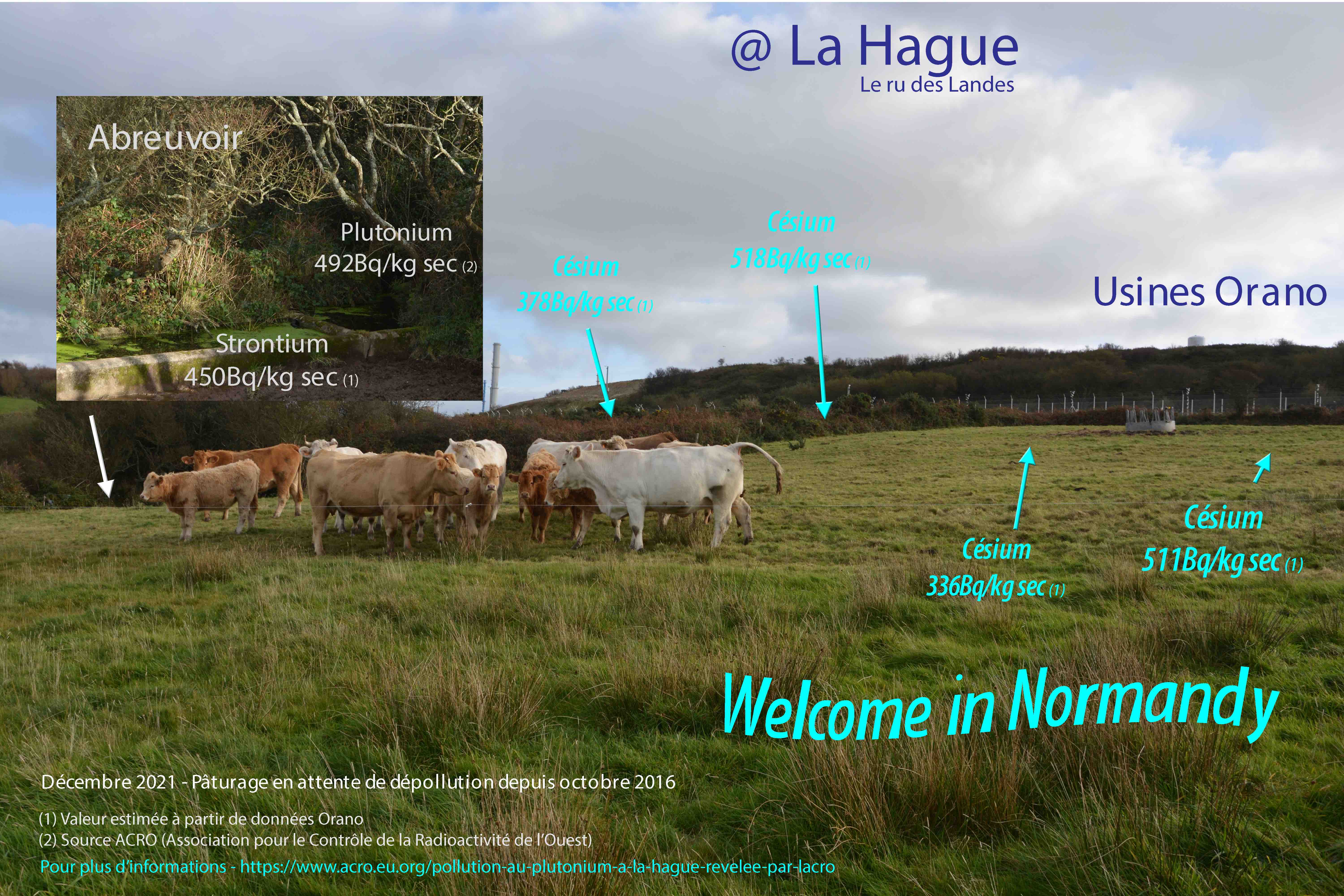
Just when we thought it was safe to go out again, along comes the Omicron variant of Covid-19. It’s almost comic, watching our (Australian) politicians twisting themselves into knots telling us to go out and rejoice, while the medical experts are more quietly advising us to wear masks and steer clear of crowds.Meanwhile more populous countries struggle with the sheer numbers of infections, and the load on health services.
While the pandemic swamps the news – weather extremes keep happening.
On the nuclear scene, all seems quiet, BUT, there’s something of a crisis brewing in France, where climate effects and aging technology are causing problems in nuclear power supply, cracks both real and symbolic, are appearing as Macron gallantly pushes for a new ‘nuclear renaissance’.
COVID-19: What you need to know about the coronavirus pandemic on 20 December, Fauci warns Omicron COVID variant ‘raging through the world’ Top US infectious diseases expert warns hospitals in the country could face stresses in coming weeks as COVID-19 infections surge.
CLIMATE. 2021: when the link between the climate and biodiversity crises became clear.
AUSTRALIA.
- What’s next for Julian Assange? and for media freedom? Julian Assange trial is political hypocrisy. Julian Assange’s freedom must be an Australian election issue.
- Submarines. Australian taxpayers up for $170Billion, for American nuclear submarines. No problem? Australia has been warned, even from the militaristic Australian Strategic Policy Institute, on the problems and astronomic costs of the nuclear submarines. Protesters say no to AUKUS nuclear submarine deal. Defence scrambles to train nuclear scientists for ‘exciting roles’ on AUKUS programme.
- Proposed National Radioactive Waste Facility: Implications and Options for South Australia. Spent fuel rods – toxic? -not when we relabel them.
- Environmentalists and Traditional Owners very dissatisfied with Western Australia’s Environment Department ‘s ruling supporting uranium project. Traditional Owners and environment groups vow to fight Mulga Rock uranium decision.
- ‘Catastrophic’: Warning as Australia scorched Economic planners do not reckon with climate crisis bearing down on us
INTERNATIONAL
Chris Hedges on the Execution of Julian Assange. Classified Documents Invalidate United States‘ Appeal Against Assange — Richard Medhurst. The disgraceful case mounted against Assange by a corrupt U.S. Department of Justice and their hired guns in Britain. https://www.youtube.com/watch?v=trzrUK_fmZI
Nuclear power’s economic failure – a ”renaissance in reverse”. Dr Jim Green dissects the hype surrounding Small ”Modular” Nuclear Reactors. Why Nuclear Power Is Bad for Your Wallet and the Climate.
Small nuclear reactors for military use would be too dangerous – excellent targets for the enemy.
15 minutes to save the world’: a terrifying Virtual Reality journey into the nuclear bunker.
Climate change has crashed Earth’s ”air – conditioners” – the North and South poles. Warmer winters are happening across the globe.Adapting to climate change will only get more expensive
Nuclear Energy Cannot Meaningfully Contribute to a Climate-Neutral Energy System . Energy economics – getting the fuel -oil and nuclear -for continued expansion of capitalism – is costing more all the time.
Understanding cobalt’s human cost
PFAS ‘forever chemicals’ constantly cycle through ground, air and water, study finds
‘Anti-5G’ necklaces are radioactive and dangerous, Dutch nuclear experts say.
Some bits of good news – 10 inspiring environmental victories of 2021 Don’t Look Up: A movie about climate change that is actually good
ANTARCTICA. An Antarctic glacier the size of Britain could ”shatter like a car windscreen” in the next 5 to 10 years. Humanity should not test whether Antarctica’s ice will hold out.
ARCTIC. U.N. sounds alarm bells over highest Arctic temperature on record. Fukushima toxins in Arctic add to pressure on Japan.
A free press, a free Julian Assange – would be the best gift for the world

The reasons for the USA’s persecution of Julian Assange : Glenn Greenwald spells it out
“much of the conduct described in the indictment is conduct that journalists engage in routinely — and that they must engage in in order to do the work the public needs them to do.”
Julian Assange Loses Appeal: British High Court Accepts U.S. Request to Extradite Him for Trial
Press freedom groups have warned Assange’s prosecution is a grave threat. The Biden DOJ ignored them, and today won a major victory toward permanently silencing the pioneering transparency activist.
| Glenn Greenwald 11 December In a London courtroom on Friday morning, Julian Assange suffered a devastating blow to his quest for freedom. A two-judge appellate panel of the United Kingdom’s High Court ruled that the U.S.’s request to extradite Assange to the U.S. to stand trial on espionage charges is legally valid. |
As a result, that extradition request will now be sent to British Home Secretary Prita Patel, who technically must approve all extradition requests but, given the U.K. Government’s long-time subservience to the U.S. security state, is all but certain to rubber-stamp it. Assange’s representatives, including his fiancee Stella Morris, have vowed to appeal the ruling, but today’s victory for the U.S. means that Assange’s freedom, if it ever comes, is further away than ever: not months but years even under the best of circumstances…………
In response to that January victory for Assange, the Biden DOJ appealed the ruling and convinced Judge Baraitser to deny Assange bail and ordered him imprisoned pending appeal. The U.S. then offered multiple assurances that Assange would be treated “humanely” in U.S. prison once he was extradited and convicted. They guaranteed that he would not be held in the most repressive “supermax” prison in Florence, Colorado — whose conditions are so repressive that it has been condemned and declared illegal by numerous human rights groups around the world — nor, vowed U.S. prosecutors, would he be subjected to the most extreme regimen of restrictions and isolation called Special Administrative Measures (“SAMs”) unless subsequent behavior by Assange justified it. American prosecutors also agreed that they would consent to any request from Assange that, once convicted, he could serve his prison term in his home country of Australia rather than the U.S. Those guarantees, ruled the High Court this morning, rendered the U.S. extradition request legal under British law.
What makes the High Court’s faith in these guarantees from the U.S. Government particularly striking is that it comes less than two months after Yahoo News reported that the CIA and other U.S. security state agencies hate Assange so much that they plotted to kidnap or even assassinate him during the time he had asylum protection from Ecuador. Despite all that, Lord Justice Timothy Holroyde announced today that “the court is satisfied that these assurances” will serve to protect Assange’s physical and mental health.
The effective detention by the U.S. and British governments of Assange is just months shy of a full decade. ……………………….. Assange has been imprisoned in the high-security Belmarsh prison, described in the BBC in 2004 as “Britain’s Guantanamo Bay.” He has thus spent close to seven years inside the embassy and two years and eight months inside Belmarsh: just five months shy of a decade with no freedom………..
………. In May 2019,the British government unveiled an 18-count felony indictment against him for espionage charges, based on the role he played in WikiLeaks’ 2010 publication of the Iraq and Afghanistan War Logs and diplomatic cables, which revealed multiple war crimes by the U.S. and U.K. as well as rampant corruption by numerous U.S. allies throughout the world. Even though major newspapers around the world published the same documents in partnership with WikiLeaks — including The New York Times, The Guardian, El Pais and others — the DOJ claimed that Assange went further than those newspapers by encouraging WikiLeaks’ source, Chelsea Manning, to obtain more documents and by trying to help her evade detection: something all journalists have not only the right but the duty to their sources to do.
Because the acts of Assange that serve as the basis of the U.S. indictment are acts in which investigative journalists routinely engage with their sources, press freedom and civil liberties groups throughout the West vehemently condemned the Assange indictment as one of the gravest threats to press freedoms in years. In February, following Assange’s victory in court, “a coalition of civil liberties and human rights groups urged the Biden administration to drop efforts to extradite” Assange, as The New York Times put it.
That coalition — which includes the ACLU, Amnesty International, the Knight First Amendment Institute at Columbia University and the Committee to Protect Journalists — warned that the Biden DOJ’s ongoing attempt to extradite and prosecute Assange is “a grave threat to press freedom,” adding that “much of the conduct described in the indictment is conduct that journalists engage in routinely — and that they must engage in in order to do the work the public needs them to do.” Kenneth Roth, Director of Human Rights Watch, told The New York Times that “most of the charges against Assange concern activities that are no different from those used by investigative journalists around the world every day.” ………………
But the Biden administration — led by officials who, during the Trump years, flamboyantly trumpeted the vital importance of press freedoms — ignored those pleas from this coalition of groups and instead aggressively pressed ahead with the prosecution of Assange. The Obama DOJ had spent years trying to concoct charges against Assange using a Grand Jury investigation, but ultimately concluded back in 2013 that prosecuting him would pose too great a threat to press freedom. But the Biden administration appears to have no such qualms, and The New York Times made clear exactly why they are so eager to see Assange in prison:
Democrats like the new Biden team are no fan of Mr. Assange, whose publication in 2016 of Democratic emails stolen by Russia aided Donald J. Trump’s narrow victory over Hillary Clinton.
In other words, the Biden administration is eager to see Assange punished and silenced for life not out of any national security concerns but instead due to a thirst for vengeance over the role he played in publishing documents during the 2016 election that reflected poorly on Hillary Clinton and the Democratic National Committee. Those documents published by WikiLeaks revealed widespread corruption at the DNC, specifically revealing how they cheated in order to help Clinton stave off a surprisingly robust primary challenge from Sen. Bernie Sanders (I-VT). WikiLeaks’ reporting led to the resignation of the top five DNC officials, including its then-Chair, Rep. Debbie Wassserman Schultz (D-FL). Democratic luminaries such as Sen. Elizabeth Warren (D-MA) and Al Gore’s 2000 campaign chair Donna Brazile both said, in the wake of WikiLeak’s reporting, that the DNC cheated to help Clinton……………………………
It is difficult at this point to avoid the conclusion that Julian Assange is not only imprisoned for the crime of journalism which exposed serious crimes and lies by the west’s most powerful security state agencies, but he is also a classic political prisoner. When the Obama DOJ was first pursuing the possibility of prosecution, media outlets and liberal advocacy groups were vocal in their opposition. One thing and only one thing has changed since then: in the interim, Assange published documents that were incriminating of Hillary Clinton and the Democratic Party, and Democrats, as part of their long list of villains who they blamed for Clinton’s defeat (essentially everyone in the world except Clinton and the Democratic Party itself), viewed WikiLeaks’ reporting as a major factor in Trump’s victory.
That is why they and their liberal allies in corporate media harbor so much bloodlust to see Assange imprisoned. Julian Assange is a pioneer of modern journalism, a visionary who was the first to see that a major vulnerability of corrupt power centers in the digital age was mass data leaks that could expose their misconduct. Based on that prescient recognition, he created a technological and journalistic system to enable noble sources to safely blow the whistle on corrupt institutions by protecting their anonymity: a system now copied and implemented by major news organizations around the world.
Assange, over the last fifteen years, has broken more major stories and done more consequential journalism than all the corporate journalists who hate him combined. He is not being imprisoned despite his pioneering journalism and dissent from the hegemony of the U.S. security state. He is imprisoned precisely because of that. The accumulated hostility toward Assange from employees of media corporations who hate him due to professional jealousy and the belief that he undermined the Democratic Party, and from the U.S. security state apparatus which hates him for exposing its crimes and refusing to bow to its dictates, has created a climate where the Biden administration and their British servants feel perfectly comfortable imprisoning arguably the most consequential journalist of his generation even as they continue to lecture the rest of the world about the importance of press freedoms and democratic values.
No matter the outcome of further proceedings in this case, today’s ruling means that the U.S. has succeeded in ensuring that Assange remains imprisoned, hidden and silenced into the foreseeable future. If they have not yet permanently broken him, they are undoubtedly close to doing so. His own physicians and family members have warned of this repeatedly. Citizens of the U.S. and subjects of the British Crown are inculcated from birth to believe that we are blessed to live under a benevolent and freedom-protecting government, and that tyranny only resides in enemy states. Today’s judicial approval by the U.K. High Court of the U.S.’s attack on core press freedom demonstrates yet again the fundamental lie at the heart of this mythology. https://greenwald.substack.com/p/julian-assange-loses-appeal-british
1 This month.


PETITION – To: Prime Minister Anthony Albanese and the Australian Labor Government
Chernobyl: The Lost Tapes – A good documentary on Chernobyl on SBS available On Demand for the next 3 weeks– https://www.sbs.com.au/ondemand/tv-program/chernobyl-the-lost-tapes/235274195556
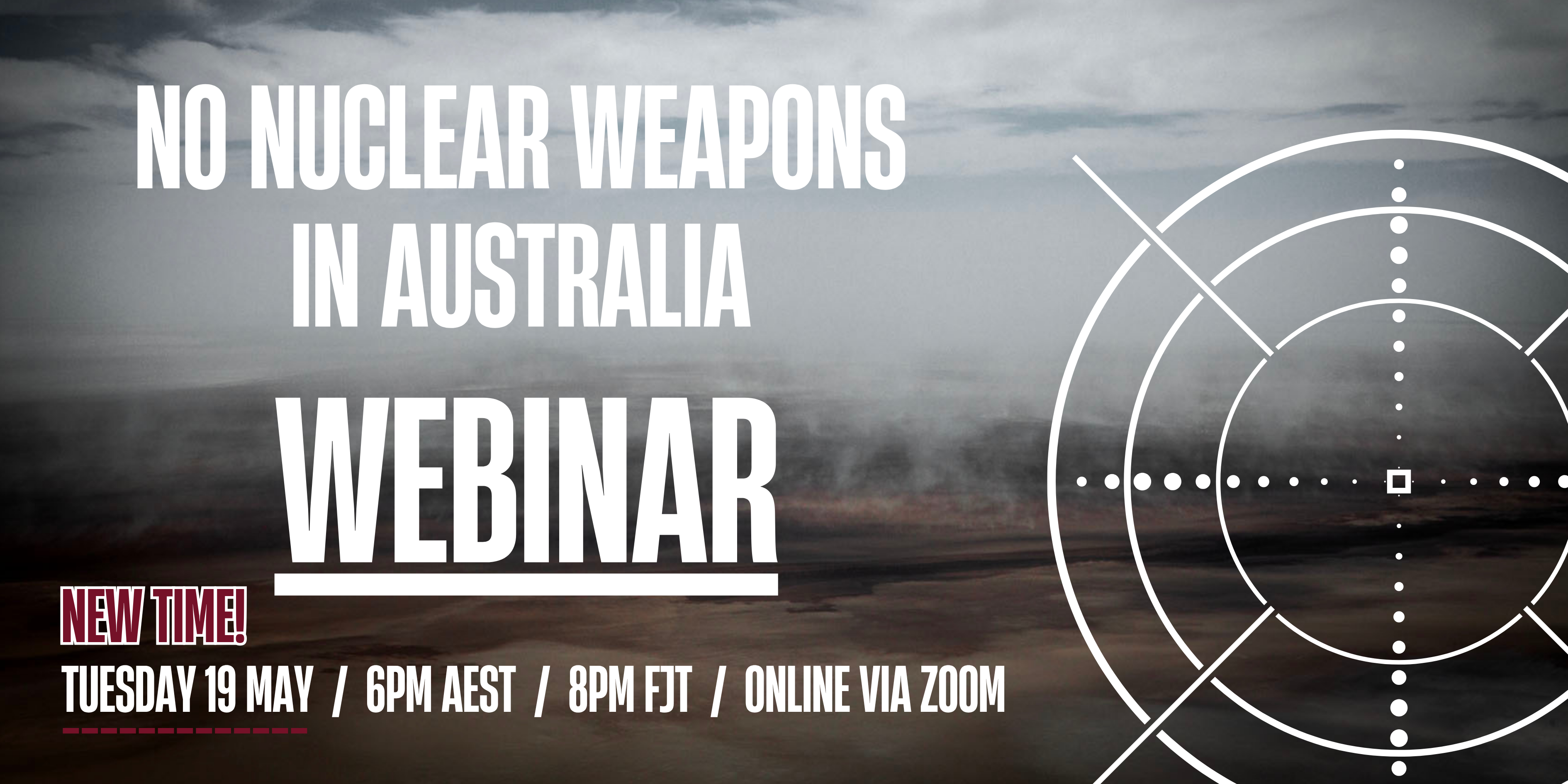
19 May – Webinar- Webinar: No Nuclear Weapons in Australia
Start: 2026-05-19 18:00:00 UTC Canberra, Melbourne, Sydney (GMT+10:00)
End: 2026-05-19 19:30:00 UTC Canberra, Melbourne, Sydney (GMT+10:00)
20 May – Webinar – The dangerous world of AUKUS, US, military occupation and suppression of dissent

National Webinar, 20th May, 2026, 6.30pm AEST. Confronting laws restricting/suppressing protest speech and action
Speakers: Former Sen. Rex Patrick, Lawyer Nick Hanna ,Arthur Rorris ,Jorgen Doyle, Sen David Shoebbridge,
Facilitator Kelley Tranter.

of the week – Australians for War Powers Reform (AWPR)
To see nuclear-related stories in greater depth and intensity
 Antinuclear