Submission to AUKUS Public Inquiry – Australia’s defence priorities
376. Anonymous, https://drive.google.com/file/d/13lEdBbgELBnQV54w2qV6ety7CM7Z6h7A/view
Geography as Destiny: Australia is an Island Nation
Our geographic reality dictates our strategic reality. As an island continent,
Australia faces no shared land borders. Therefore, any existential military threat to
our sovereignty must come across or from the sea. If we are talking about defence
in its truest sense—protecting our homeland from being invaded by a hostile
force—our priority must be absolute domain awareness and denial within our
immediate maritime approaches, rather than projecting force thousands of
kilometres away.
Submarines are Inherently Offensive Platforms
The current pivot toward acquiring multi-billion-dollar nuclear-powered attack
submarines (SSNs) represents a fundamental shift from home defence to
long-range power projection.
The Evidence: By definition, attack submarines are designed for forward
operations—specifically hunting enemy vessels, conducting stealth surveillance in
foreign waters, and delivering strike capabilities deep inside contested zones (such
as the South China Sea). They are optimized for concealment and long-distance
travel, not for patrolling or locking down domestic coastlines.
The Trade-off: Committing upwards of $368 billion to long-range, offensive assets
starves the budget of the practical, defensive hardware needed to guard our
actual territory.
A Strategic Pivot: Moving From the US to Regional Partners
True self-reliance means moving away from over-dependence on the United
States, a relationship that risks dragging Australia into distant conflicts that do not
serve our direct national interests. Instead, Australia should concentrate its
diplomatic and security architecture on close regional partners in the Indo-Pacific
and ASEAN. These neighbors share our immediate geographic space and have a
mutual, vested interest in regional stability, peaceful sea lanes, and
non-aggression.
Reallocating the Budget: Shore Monitoring and Intelligence
To prevent a hostile force from ever approaching our shores, defence funding
should be redirected away from offensive hulls and into robust, transparent, and
defensive technologies. We must invest heavily in:
Advanced Intelligence Networks: Enhanced cyber capabilities and signals
intelligence to read the geopolitical landscape and identify threats years before
they materialize.
Persistent Maritime Surveillance: A comprehensive network of low-cost, high-yield
uncrewed aerial vehicles (UAVs), autonomous underwater sensors, and
next-generation satellite systems to monitor our maritime borders 24/7.
Smart Sea Denial: Modern land-based anti-ship missile batteries, fixed coastal
defences, and a larger fleet of smaller, agile, conventionally powered vessels to
patrol our exclusive economic zone.
Elevating Diplomacy and Trade Over Military Might
Finally, a nation’s securest border is a friendly neighbor. Diplomatic relationships
and deep economic ties are far more effective at preventing conflict than military
deterrence.
Diplomacy First: Reinvesting a fraction of the submarine budget into foreign aid,
regional development, and diplomatic corps builds goodwill and structural
stability.
Mutual Prosperity: Strong trade relationships create interdependencies. A nation is
far less likely to become a hostile threat to a state that is an essential, reliable
trading partner. We must prioritize economic integration over military posturing.
Further Insight on the Debate
For a deeper look into the ongoing parliamentary and public opposition regarding
these exact issues, the video below outlines critical arguments raised by critics of
the AUKUS framework:
David Shoebridge on the AUKUS deal and defence priorities:
https://www.youtube.com/watch?v=Iqd9Dd4pjvo
No comments yet.
1 This month
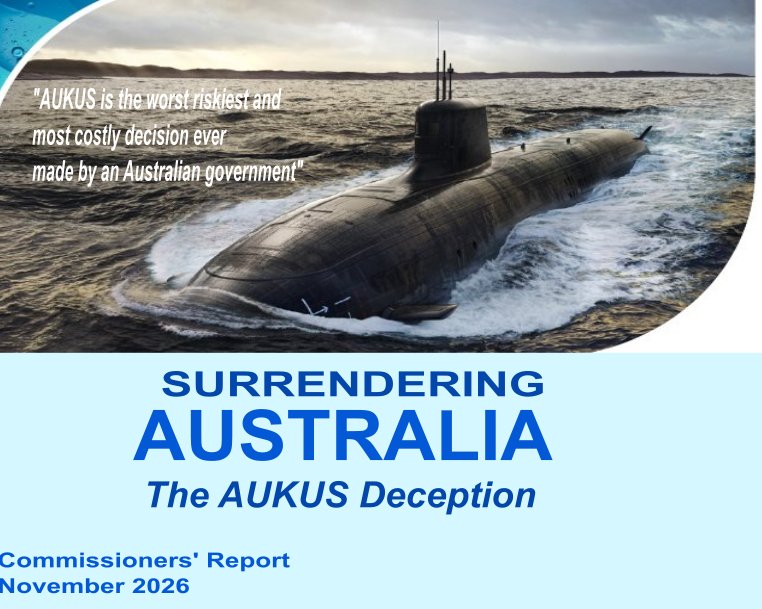
Read the Public Inquiry Report, the Commissioners’ report, Surrendering Australia: The AUKUS Deception is available to download for free at aukuspublicinquiry.com. Or just watch the replay of the National Press Club Luncheon.
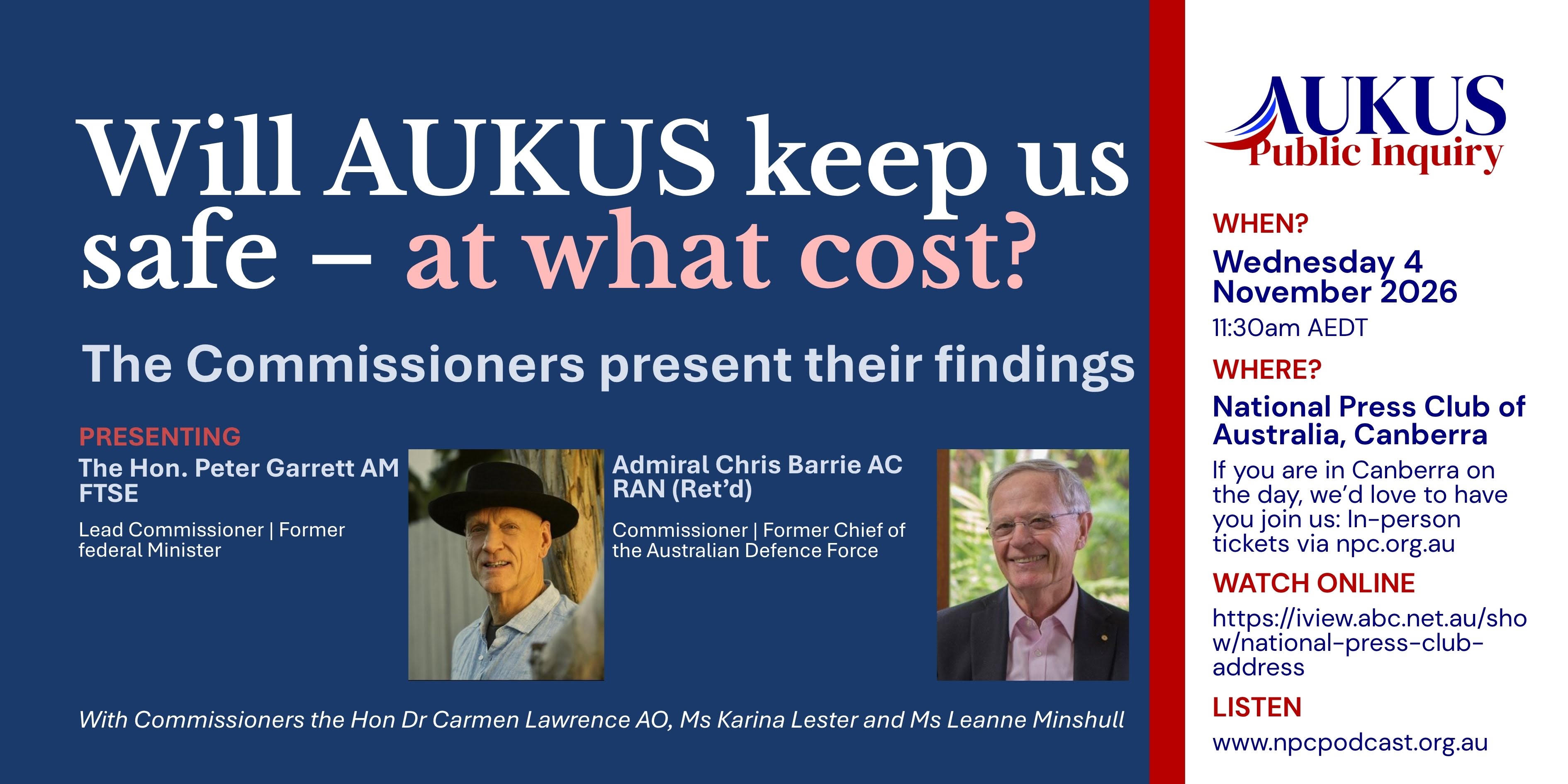
4 November – Will AUKUS keep us safe – at what cost?
the Commissioners of the AUKUS Public Inquiry present their findings at the National Press Club of Australia in Canberra. iview.abc.net.au/show/national-press-club-address
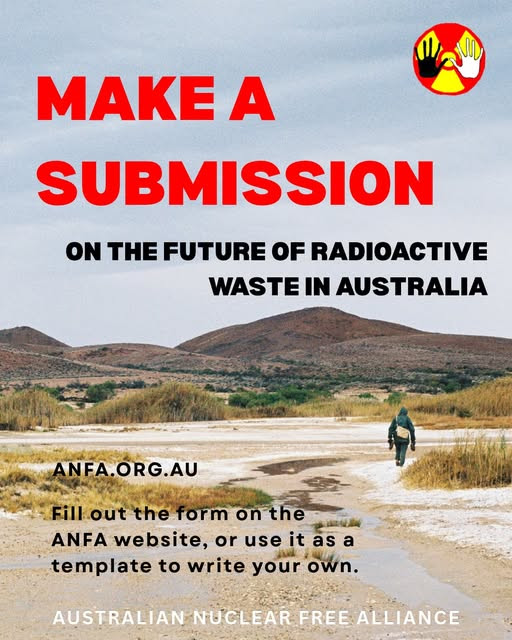
Submissions to the federal government’s new draft framework close on the 13th November 2026.
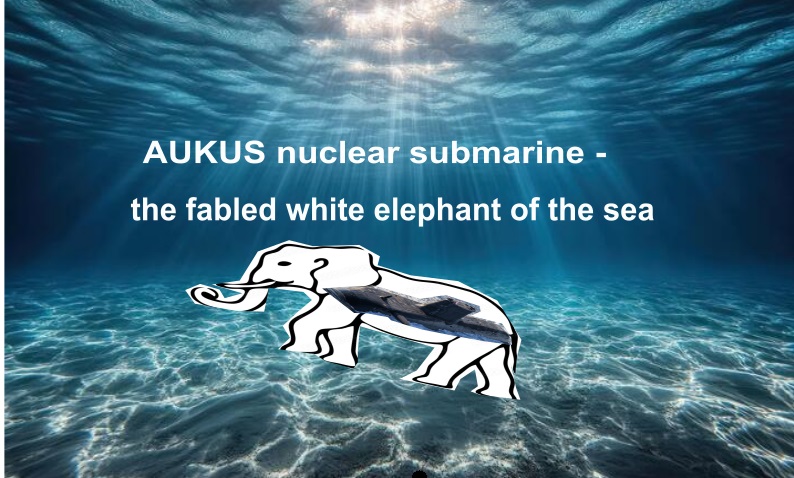
Australians deserve the truth
about
AUKUS – https://aukuspublicinquiry.com/

PETITION – To: Prime Minister Anthony Albanese and the Australian Labor Government

of the week – Australians for War Powers Reform (AWPR)
To see nuclear-related stories in greater depth and intensity


Leave a Reply