Submission to AUKUS Public Inquiry – radioactive wastes, and the indigenous people’s experience – Mothers for a Sustainable South Australia

South Australian Traditional Owners have consistently rejected proposals for nuclear waste facilitiesbecause of their lived experience with the devastating legacy of radioactive contamination. Thehistorical trauma resulting from British nuclear weapons testing during the 1950s and 1960s—including displacement, illness and ongoing damage to Country—continues to affect communities today.
The experience of South Australia demonstrates that proposals involving nuclear waste have profound social, environmental and cultural consequences, particularly for First Nations peoples.
Past failures in consultation and the enduring impacts of nuclear activities on Traditional Owners highlight the need for a transparent, inclusive and evidence-based decision-making process
No. 374 https://drive.google.com/file/d/1YT_mYtmT8LCIXFOJQAUV3uytOL1cJzey/view
Introduction
Mothers for a Sustainable South Australia (MOSSA) is a group of South Australian mothers
concerned about the environmental and economic future of our state.
In 2016, MOSSA challenged the Nuclear Fuel Cycle Royal Commission by highlighting flaws in
the economic modelling, potential conflicts of interest relating to the proposed waste facility, and
issues of environmental racism. We stood in solidarity with First Nations communities and were
invited to address the Citizens’ Jury. Our efforts contributed to the Jury’s recommendation to reject
the proposal.
This submission focuses specifically on the high-level nuclear waste that will be generated when the
proposed nuclear-powered submarines are decommissioned. We examine the environmental and
community impacts, particularly for First Nations peoples. We believe the risks associated with the
management of AUKUS nuclear submarine waste alone mean that AUKUS should be opposed,
because no safe long-term proposal for the generated nuclear waste exists
Managing High-Level Nuclear Waste Managing High-Level Nuclear Waste
The waste generated by nuclear-powered submarines is weapons-grade radioactive material. As we
highlighted in our submission to the South Australian Nuclear Fuel Cycle Royal Commission in
2016:
It is necessary that high-level nuclear waste is kept secure, and safe, for over one hundred thousand
years.
No one can predict how weapons, security threats and geopolitical risks will evolve over the next 40
or 100 years, let alone over many centuries. We can, however, be confident that, based on the
changes witnessed over the past 200 years, the nature of warfare, terrorism and security risks will
continue to evolve dramatically in the decades ahead.
For an AUKUS capacity, Australia will need to have a high-level nuclear waste facility operational
by approximately the 2050s—or potentially earlier, depending on the age of the second-hand
nuclear submarines purchased from the United States.
At present, there is no operational permanent disposal facility anywhere in the world for high-level
radioactive waste. Finland is close to opening the Onkalo deep geological repository. The site
selection process began in 1983, more than 40 years ago. It has reportedly cost approximately £1
billion to construct and is expected to require a further £4 billion to operate until it is filled, sealed
and closed around 100 years after opening. This represents a total cost of approximately £5 billion
(around AUD $9.5 billion) before the facility is permanently sealed.
From that point onwards, what will be the ongoing costs of ensuring the waste remains safely
contained for the thousands of years during which it remains hazardous? How will it be protected
from terrorism or future military threats? As Ian Lowe wrote recently in the InDaily, nobody knows what the cost of securely storing the nuclear waste from decommissioned nuclear powered
submarines will be, but based on costings from the South Australian Nuclear Royal commission, it
could be around $190B, half as much again as the budget for the submarines.
Both the United Kingdom and the United States have decommissioned nuclear-powered submarines
without a clear long-term solution for managing their highly radioactive waste. We believe it is
reasonable to conclude that Australia is unlikely to have a permanent high-level waste repository
ready by the 2050s. This raises important questions about where this waste will be stored in the
interim and how the associated environmental, security and public safety risks will be managed.
Our additional concerns regarding the management of weapons-grade nuclear waste include:
- How will the waste be safely removed from the submarines?
- How will it be transported safely, and securely, from ports to an interim or permanent
storage facility? - How can Australia guarantee that this waste will not become a military or terrorist target at
any stage from the Port facilities to the long term repository? - Do we have an assurance that Australia will not become the repository for other nations’
weapon grade submarine nuclear waste? If so, how will that assurance be maintained across
hundreds to thousands of years of government change?
Community Impacts, Especially for First Nations Peoples
South Australia provides clear examples of the impacts that proposals for high-level nuclear waste
facilities can have on communities and First Nations peoples.
In 2016, the South Australian Government established a Royal Commission to investigate whether
the state should accept high-level nuclear waste from overseas as a commercial enterprise. The
proposal was promoted as having the potential to generate more than $100 billion for the state.
Strong public opposition led then Premier Jay Weatherill to establish a Citizens’ Jury to determine
whether the proposal should proceed.
The Jury ultimately rejected the proposal, citing a lack of trust in governments’ ability to manage the
facility over many generations, the enormous safety risks associated with waste that remains
hazardous for thousands of years, and the absence of any fully operational deep geological
repository anywhere in the world that could serve as a proven model.
These concerns remain equally relevant to the management of high-level waste generated by
Australia’s future nuclear-powered submarines.
The complete absence of meaningful community consultation regarding Australia’s entry into the
AUKUS agreement is also deeply concerning, and is one of the reasons for this inquiry. Many
members of the community feel powerless, alienated and angry by the lack of transparency
surrounding such a significant and locked in costly national commitment.
South Australian Traditional Owners have consistently rejected proposals for nuclear waste facilities
because of their lived experience with the devastating legacy of radioactive contamination. The
historical trauma resulting from British nuclear weapons testing during the 1950s and 1960s—including displacement, illness and ongoing damage to Country—continues to affect communities today.
Concerns about threats to groundwater, sacred sites and continued access to traditional lands remain
central to First Nations opposition to nuclear waste storage.
Traditional Owners also have a long history of being excluded from decisions affecting their lands.
A recent example occurred in South Australia in 2023, when the Federal Court ruled in favour of the
Barngarla people after finding that the process used to select Napandee, near Kimba, as the site for
Australia’s proposed low-level radioactive waste facility was affected by apprehended bias and
inadequate consultation.
While the Australian Government has stated that high-level waste from decommissioned submarine
reactors will ultimately be stored on dedicated defence land, the Australian Naval Nuclear Power
Safety legislation passed in October 2024 provides the Government with broad powers to determine
what constitutes a suitable site.
We believe First Nations peoples remain in a compromised position regarding consultation over the
location of both permanent and interim storage facilities. Given Australia’s history of inadequate
consultation on nuclear issues, it is essential that any future decisions are made transparently,
respectfully and with the free, prior and informed consent of affected Traditional Owners.
Conclusion
Australia is embarking on a project that will create highly radioactive, weapons-grade nuclear wasterequiring secure management for more than 100,000 years. Yet there is currently no publicly-available clear plan outlining where this waste will be stored, how it will be transported, howinterim storage will be managed, or how future environmental and security risks will be addressed.
The experience of South Australia demonstrates that proposals involving nuclear waste have
profound social, environmental and cultural consequences, particularly for First Nations peoples.
Past failures in consultation and the enduring impacts of nuclear activities on Traditional Owners
highlight the need for a transparent, inclusive and evidence-based decision-making process.
We urge the Committee to recommend AUKUS be opposed given the absence of:
- a comprehensive, publicly available strategy for the long-term management of high-level
nuclear waste; - independent assessments of the environmental, security and financial risks associated with
transporting, storing and disposing of the waste; - meaningful consultation with affected communities and First Nations peoples, consistent
with the principles of free, prior and informed consent; - transparent public scrutiny and parliamentary oversight of interim or permanent waste
storage locations.
Given the extraordinary timescales, costs and risks associated with managing this waste, these
issues cannot be treated as matters for future governments to resolve. They require clear answers,robust planning and genuine public engagement before Australia accepts responsibility for creating this legacy
Mothers for a Sustainable South Australia
- Maureen Graney
- Mary Houlahan
- Tracey Kermond
- Michelle Parsons
- Barbara Pocock
No comments yet.
1 This month
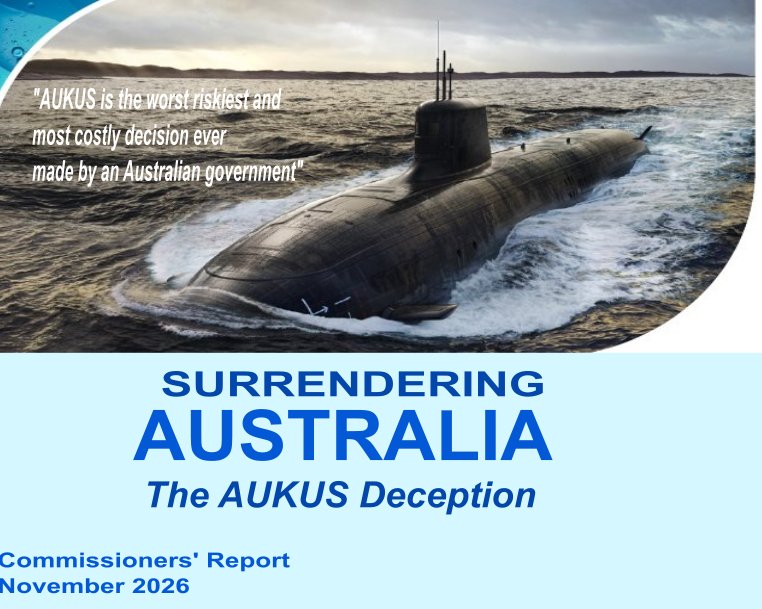
Read the Public Inquiry Report, the Commissioners’ report, Surrendering Australia: The AUKUS Deception is available to download for free at aukuspublicinquiry.com. Or just watch the replay of the National Press Club Luncheon.
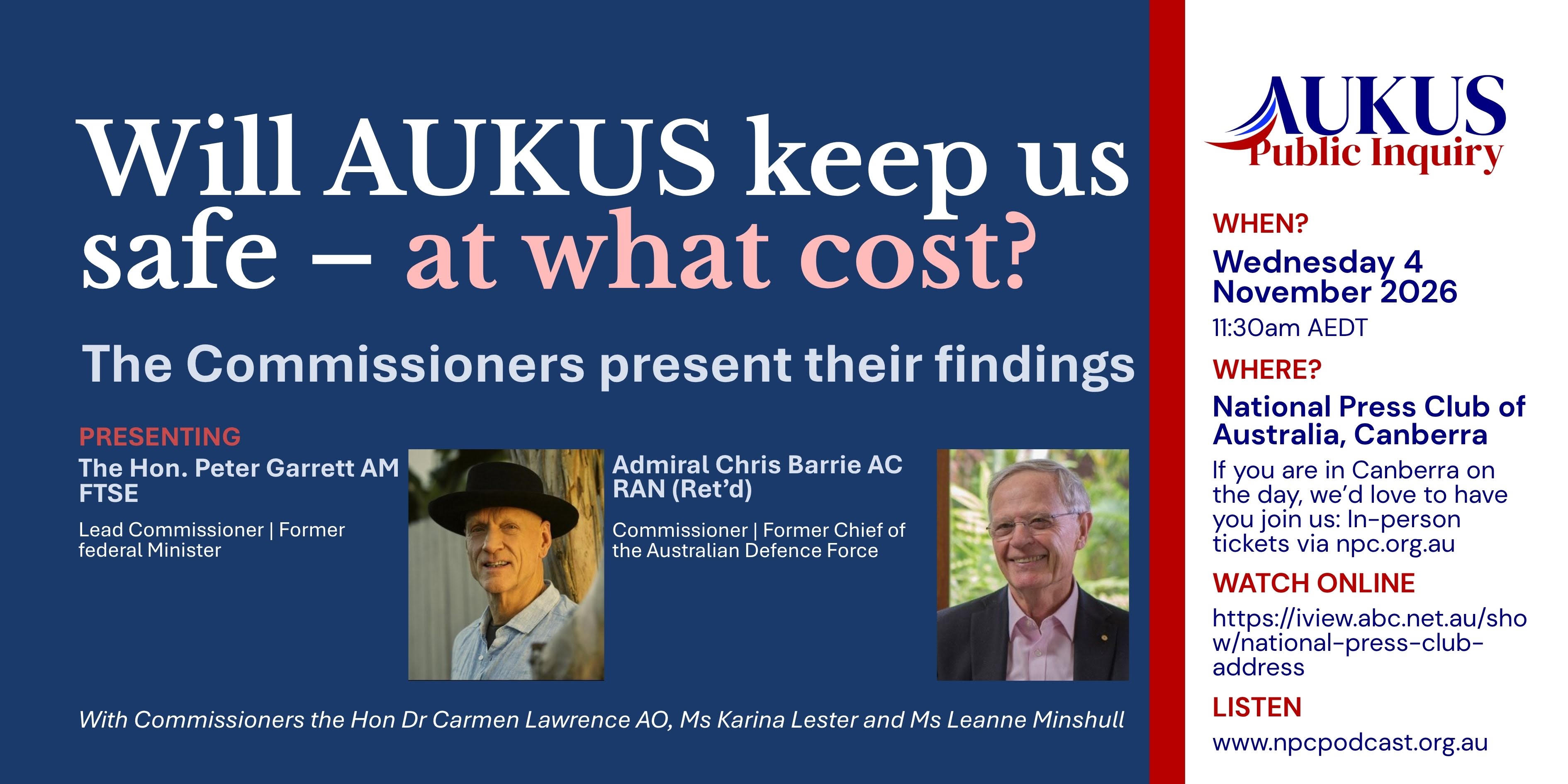
4 November – Will AUKUS keep us safe – at what cost?
the Commissioners of the AUKUS Public Inquiry present their findings at the National Press Club of Australia in Canberra. iview.abc.net.au/show/national-press-club-address
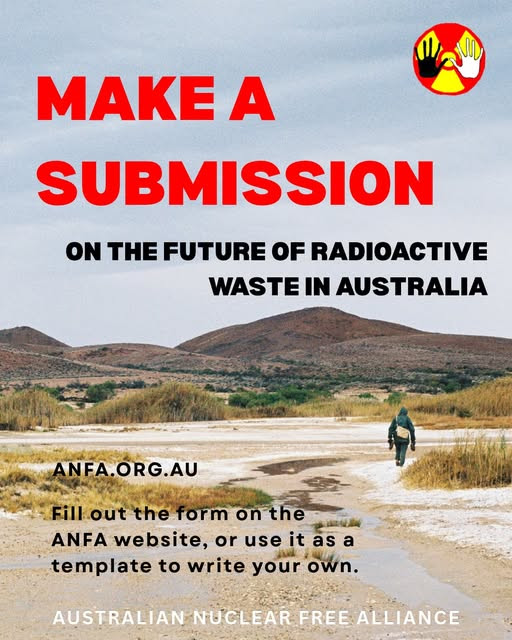
Submissions to the federal government’s new draft framework close on the 13th November 2026.
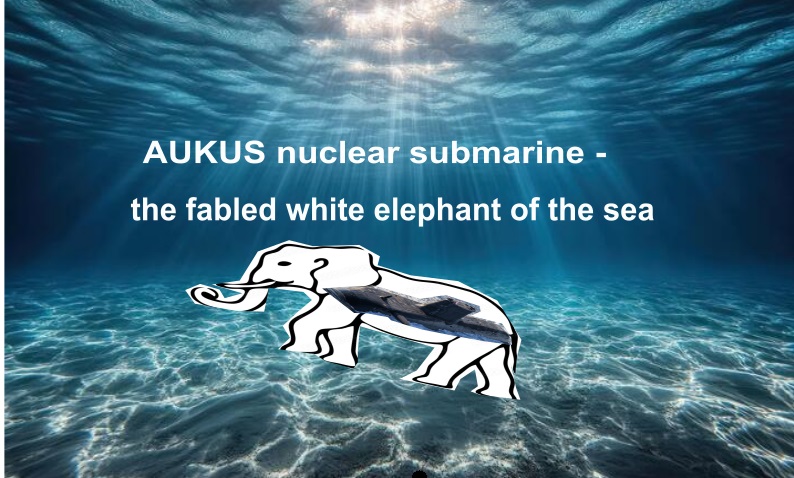
Australians deserve the truth
about
AUKUS – https://aukuspublicinquiry.com/

PETITION – To: Prime Minister Anthony Albanese and the Australian Labor Government

of the week – Australians for War Powers Reform (AWPR)
To see nuclear-related stories in greater depth and intensity


Leave a Reply